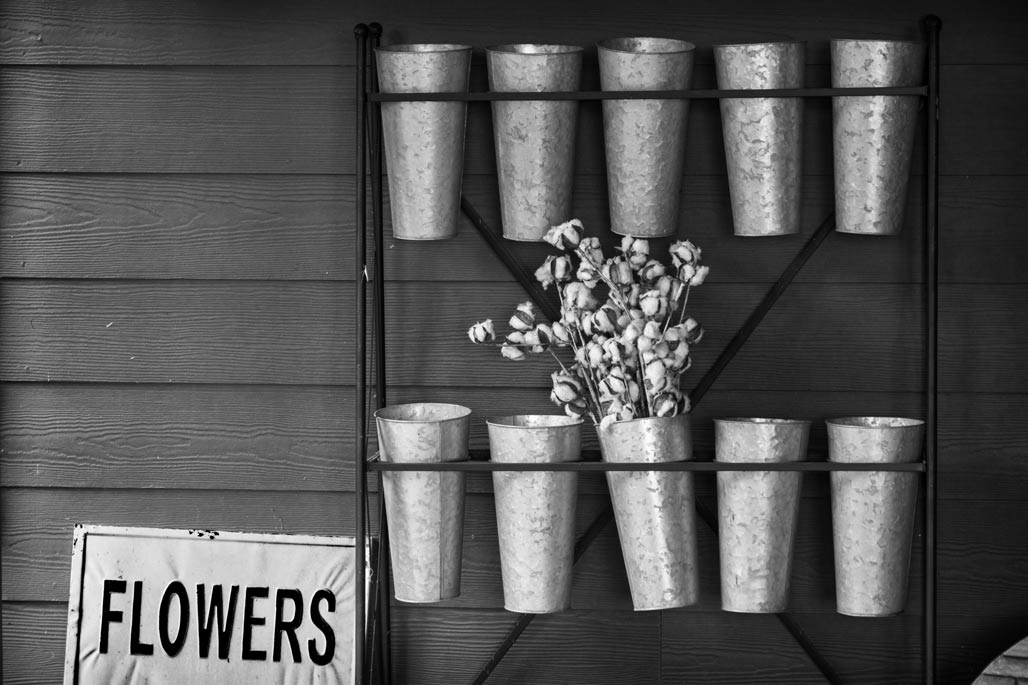
.
photography from the Chesapeake Bay watershed by Bill Emory
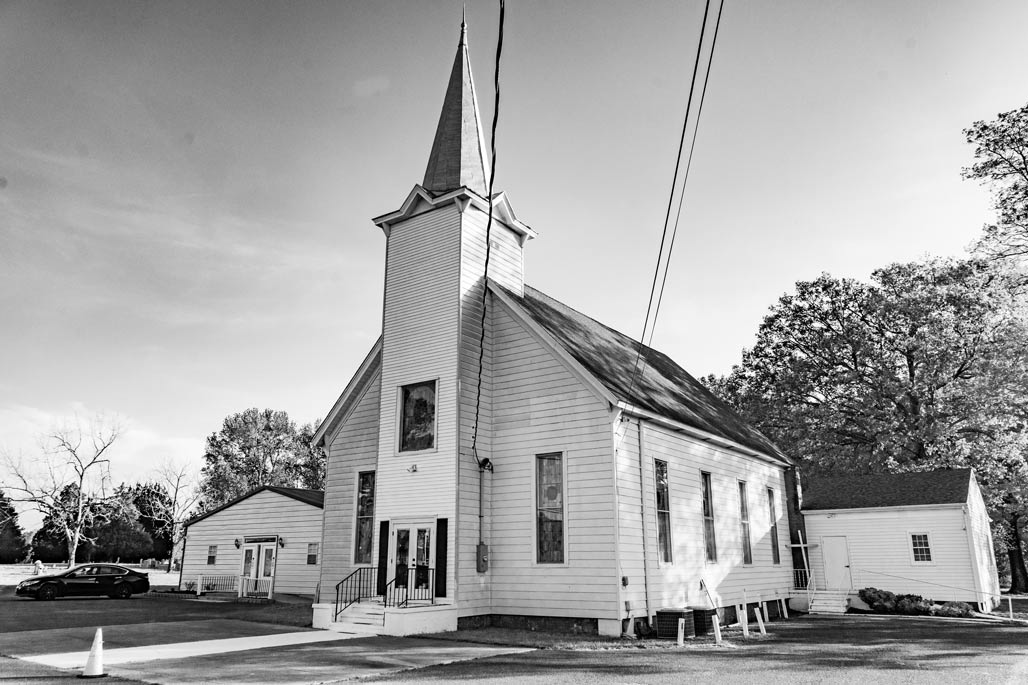
Beulah Baptist Church, Lively, Virginia. Reverend Wm. Veney. Spreading The Good News Of The Gospel of Jesus Christ. Always open.
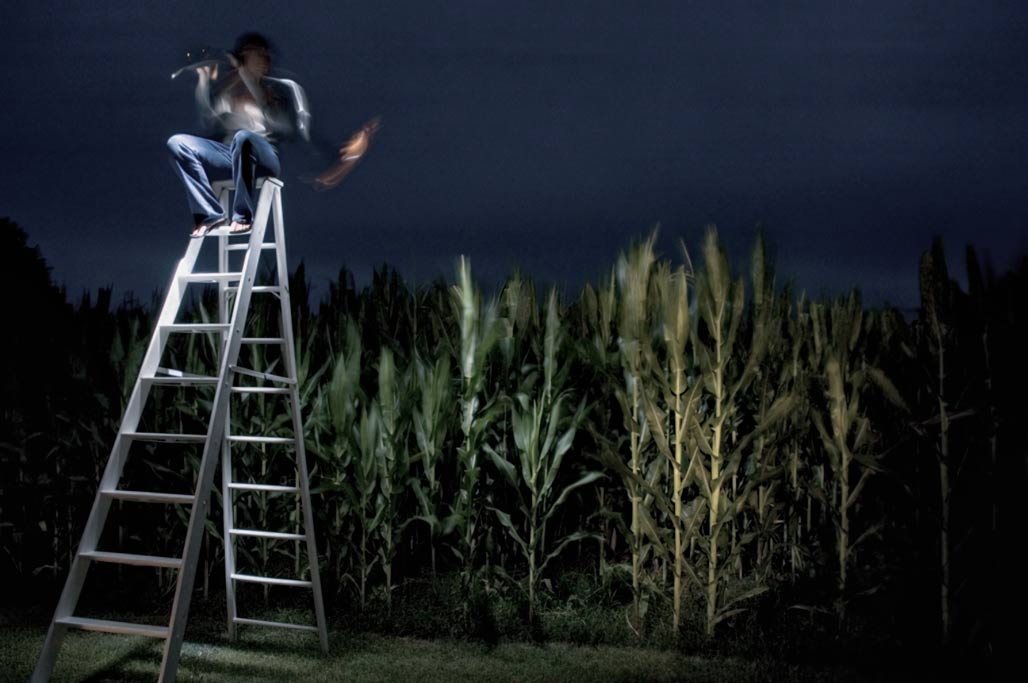
Thousands of U.S. patents have been granted specifically for corn hybrids.
Tracking data for field corn hybrids shows roughly:
– 1986–1995: 8
– 1996–2005: 167
– 2006–2015: 1,377
– 2016–2025:1,855
This totals on the order of 3,400–3,500 hybrid patents issued to date. Utility patents on hybrids became available after key 1980s rulings and have grown dramatically.
Corn grows around the clock. At night, and stem/height elongation is often notable. Classic observations (and modern work on the “evening complex” of proteins) show that many plants, including corn and related grasses, put on significant height growth in the hours after dusk and toward dawn when the internal clock and lower evaporative demand allow cell expansion.
A single corn stalk/plant typically transpires on the order of 10–15 gallons of water over its life. Older literature sometimes cited higher figures (up to ~50+ gallons under different assumptions or longer seasons).
(So sayeth grok)
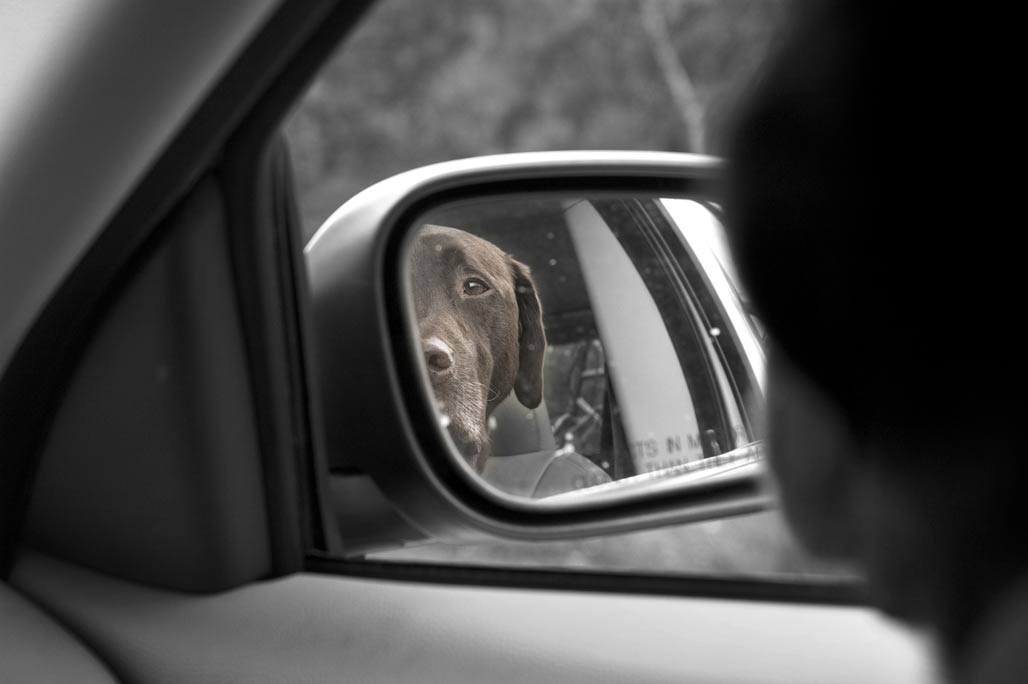
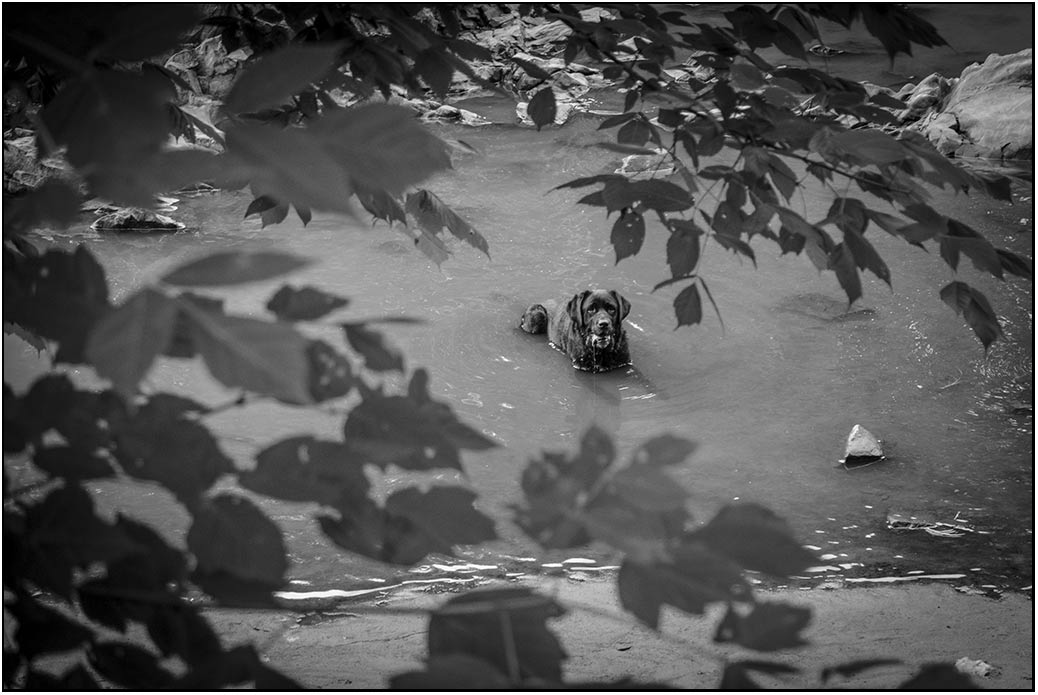
What’s going through Sophia’s mind? (Grok says) As a classic chocolate Labrador, loyal, food-obsessed, water-loving goofball — her inner monologue is probably something like this:
First few hours (leaving VA area): “Car ride! YES! New smells out the window! My human is taking me on an adventure. Tail is wagging at 100 mph. This is the best day ever!”
Through WV & PA (the mountain part): “Whoa, the air smells different… trees, dirt roads, maybe some wildlife? My legs are getting a little stiff. Hope we stop soon for a sniff break. Also… snacks? I’m a Lab. Snacks are life.”
Into CT & RI (getting closer to the coast): “Okay this drive is LONG. But the views are changing… more water smells? Are we almost there? I wonder if there’s a beach at the end. Beaches mean sand, waves, and possibly swimming. My favorite things!”
Final stretch to south coast MA: “New place! New smells! New people to meet! I was born in Warsaw, Virginia but I’m ready for Massachusetts mode. As long as there’s food, belly rubs, and a spot to nap in the car, I’m good. Human looks happy, I did a good job being the best co-pilot.”
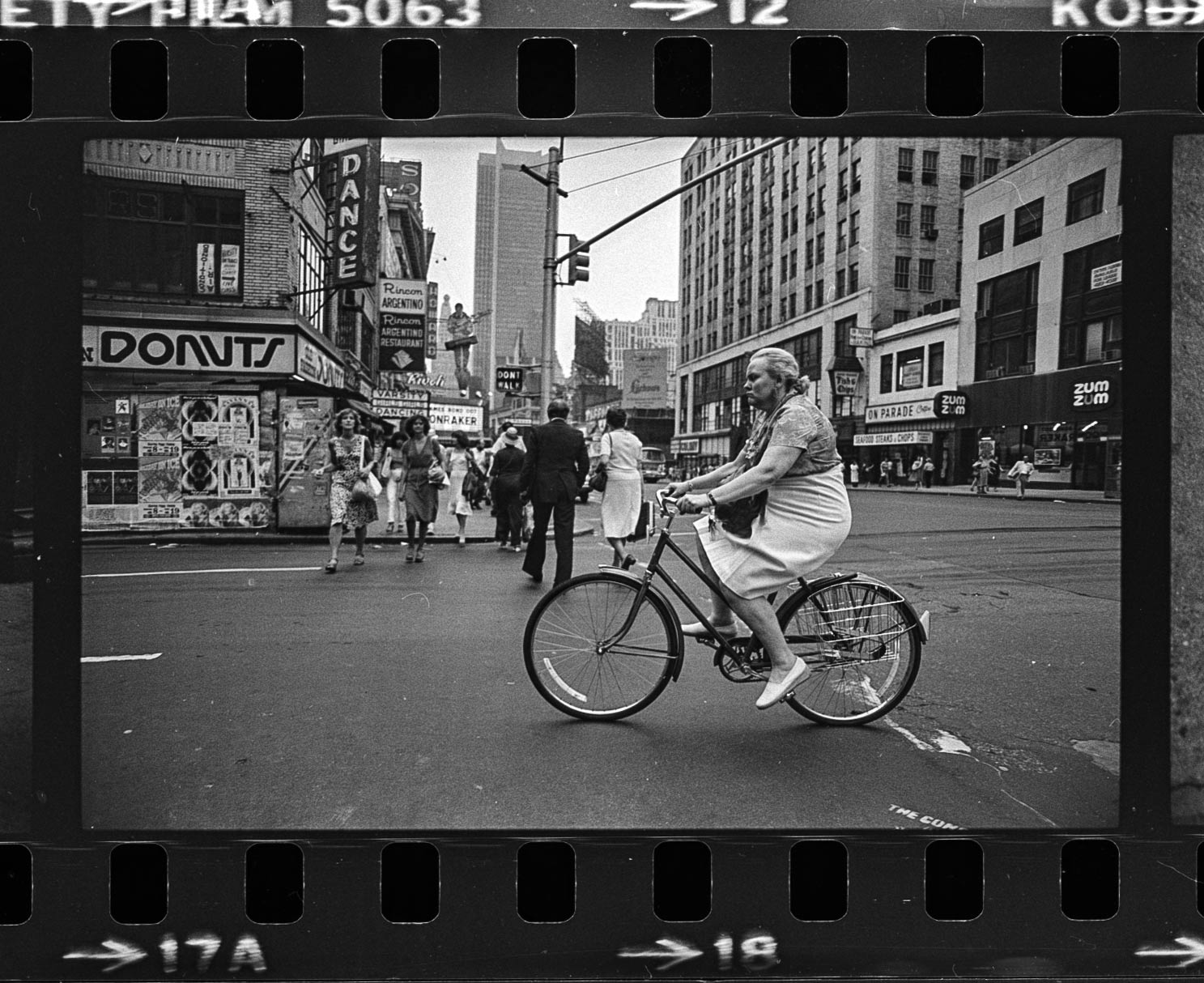
Grok says: Today, that exact spot (50th & Broadway) is still very central Midtown — right by the northern end of Times Square, with modern retail, theaters, and the subway nearby (50th Street station on the 1, C, E lines). The old low-rise buildings with those specific signs are long gone, replaced by newer development. The combination of the restaurant name + surrounding signage makes this one of the more identifiable NYC street photos from that era. The location is Broadway at 50th Street in Midtown Manhattan, New York City (northern edge of Times Square)
The clearest landmark is the “Rincon Argentino” (also known as Un Rincon Argentino or Argentinian Corner) sign visible on the building in the middle-right background. Historical records confirm this restaurant operated at 1626 Broadway (right at the corner of 50th Street) starting around 1962. Supporting details from the photo that match the area…Zum Zum sign on the right — a popular German-style fast-food counter chain with multiple Midtown NYC locations in the 1960s–1980s.
Donuts shop and DANCE signage on the left buildings — typical of the dense commercial mix along Broadway in that era.
Overall scene: wide avenue crossing, traffic lights, mid-rise buildings with period signage, pedestrians in 1960s–early 1970s clothing, and the general gritty-but-vibrant Midtown street vibe. The black-and-white negative/scan style fits street photography from that time.
The woman is riding across the street in what appears to be the Broadway corridor near 50th Street, looking toward the west side or a side street. This matches numerous historical photos and descriptions of the exact block.
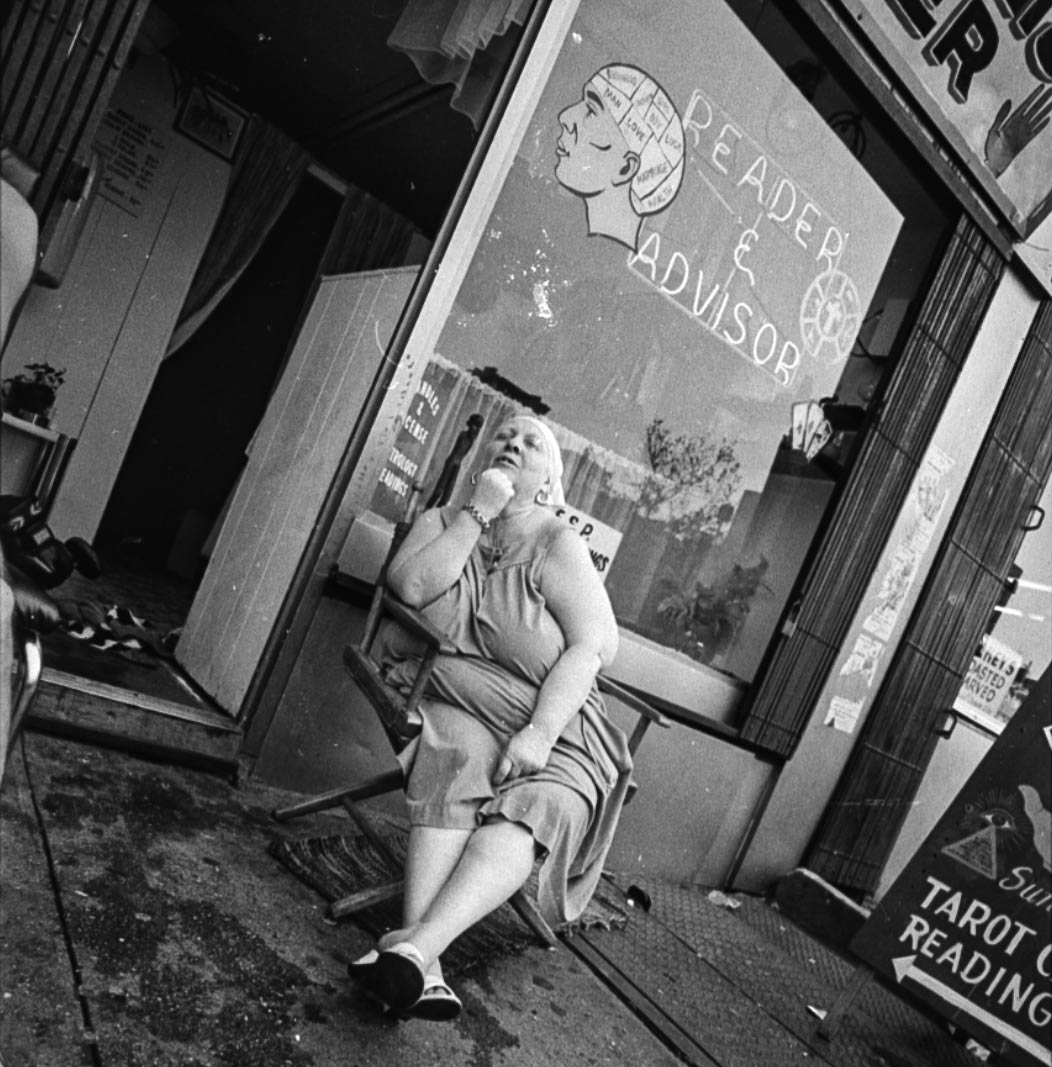
The field is largely unregulated, belief-based, and entrepreneurial. Practitioners self-select, learn informally or through paid courses, and may claim natural gifts, lineage, or scholarship. Results depend on the individual’s skill at interpretation, client rapport, and the client’s openness—scientific validation for the divinatory claims is absent, though symbolic tools can provide psychological reflection or comfort for some people.
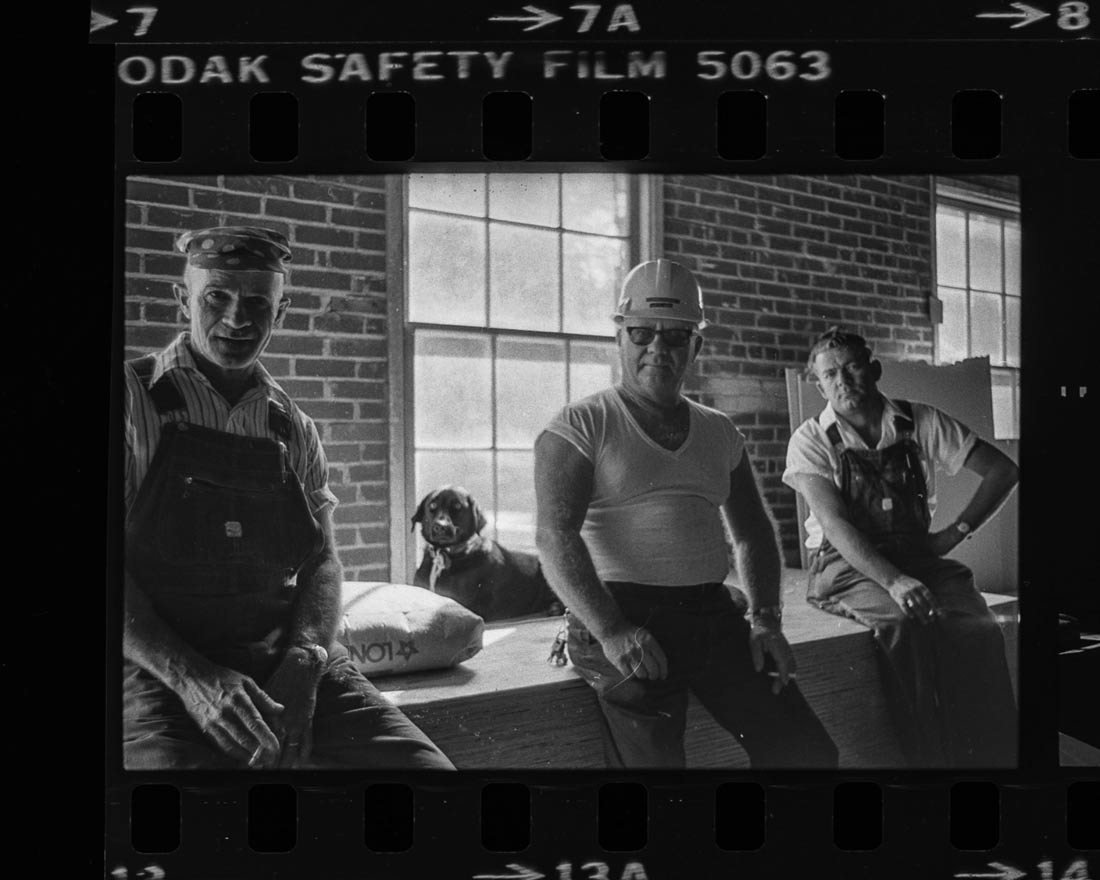
Grok says: The dog’s inner monologue (as Canis familiaris, the goodest boy on the job site): These three humans? They’re my pack. Not the fancy kind with leashes and kibble in bowls — the real kind. We show up together, we sweat together, we sit on the same ledge when the sun’s high and the bricks are waiting.
The one with the hard hat is the steady one. The bandana guy’s got the jokes. The other one… he’s the quiet thinker.
Me? I’m the supervisor. I don’t lay bricks, but I make sure nobody slacks off too hard. I keep the vibes right. One bark and they know I’ve got eyes on the perimeter.
Dog is the unofficial fourth member of the crew. In the era this photo feels like (mid-20th-century job site, film borders and all), dogs were common companions on construction and masonry crews. He’s not just “someone’s dog” — he’s the site dog. He belongs here as much as the mortar and the trowels. He gets the rhythm of the work: long stretches of laying brick, then the blessed pause. He’s there for the smoke, the stories, the quiet moments. He fits because he doesn’t need to be useful every second — his presence is the usefulness. Loyalty, calm, and the occasional tail wag that says “we’re doing okay, boys.”
What’s in the bag? Specifically, a bag of dry pre-mixed masonry mortar (portland cement + hydrated lime + mason’s sand). When water gets added, it becomes the sticky, durable paste that holds bricks and blocks together. That bag is the lifeblood of whatever wall or structure they’re building. The dog knows the smell: earthy, dusty, a little chemical. Not food, but important.
How long is the average smoke break? In real-world data on working smokers, the average individual smoke break lasts roughly 5–10 minutes (one solid study put it at about 7.2 minutes). On a construction site like this, it’s usually tied to the official rest periods — a quick step away, light up, shoot the breeze, stub it out, back to the trowel. Some guys stretch it, some keep it tight. Either way, it’s sacred time: the moment the physical labor pauses and the pack just exists together.
The dog is patient through all of it. He knows the drill. Break ends when the humans stand up. Then it’s back to supervising the most important project of all: whatever wall they’re building today, and the bond between the four of them that no mortar could ever replace. 🐶