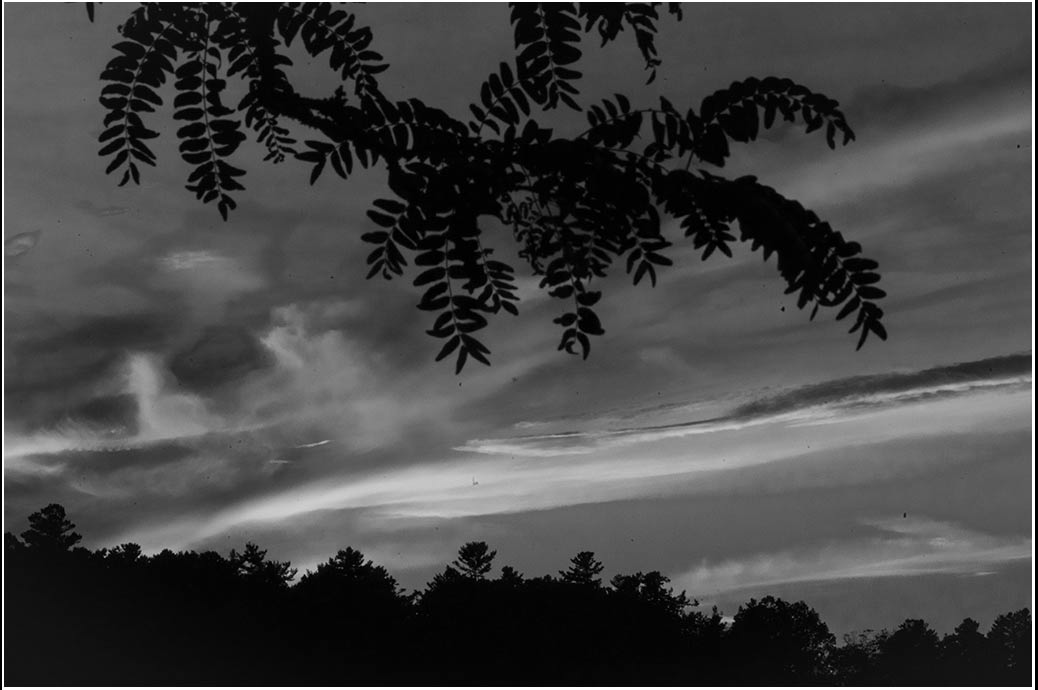
Roaring Gap sunset
photography from the Chesapeake Bay watershed by Bill Emory

15 million years of no talk, no offense, no arrogance, steady crawling forward. Put him on the ballot.
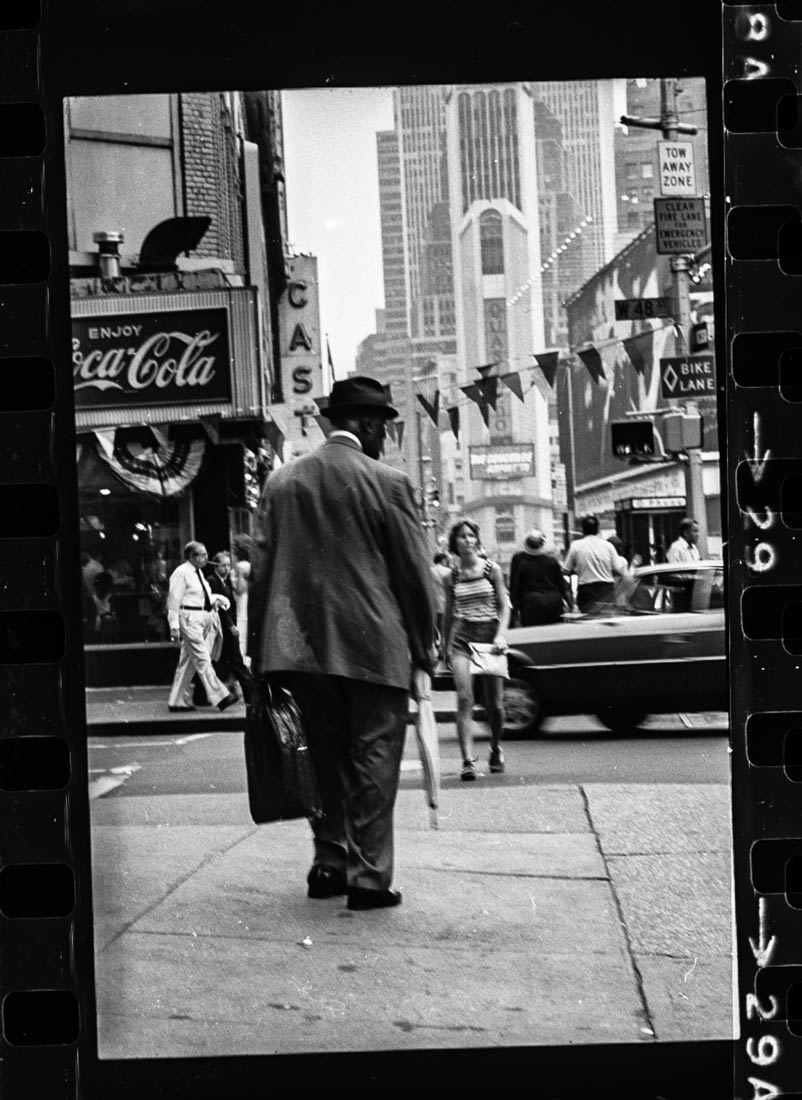
Q; hey Grok, can you tell me the location of this photo in NYC?
A: West 48th Street in Midtown Manhattan (Theater District / near Times Square), New York City.
The street sign in the upper right of the frame clearly reads “W 48 ST” (with a bike-lane sign below it), along with the typical NYC regulatory signs for a tow-away zone and clear fire lane. The surrounding scene—dense midtown buildings, busy sidewalk, classic Coca-Cola “Enjoy” storefront sign, vertical projecting “CAST” sign, and the overall streetscape—places it squarely in the West 48th Street corridor between roughly 6th/7th Avenues and Broadway, the heart of the Theater District.
The black-and-white film look (plus the clothing, car, and overall feel) suggests a mid-to-late 20th-century shot, but the location markers are unambiguous.
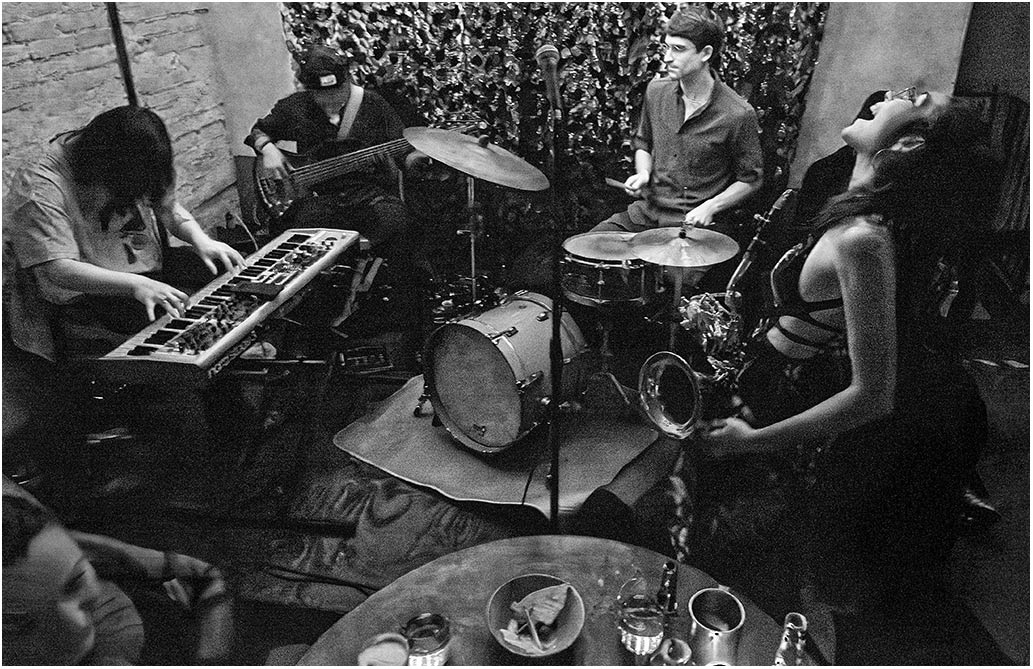
Amber Lara is a New York City based contemporary jazz performer, composer and arranger specializing in saxophones and flute. She is recognized for her commanding presence and distinctive sound, often incorporating indigenous and Latin elements within her arrangements
Amber Lara residency every Sunday night from 7:00 to 9:00 p.m. at Epistrophy 200 Mott Street, NY NY email: info@epistrophynyc.com
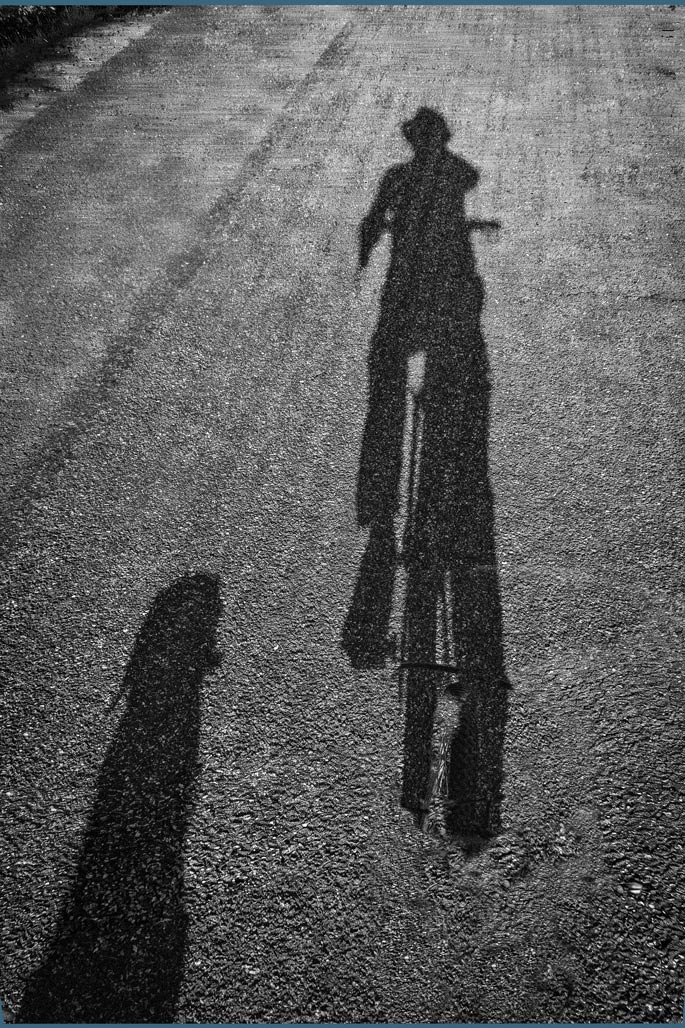

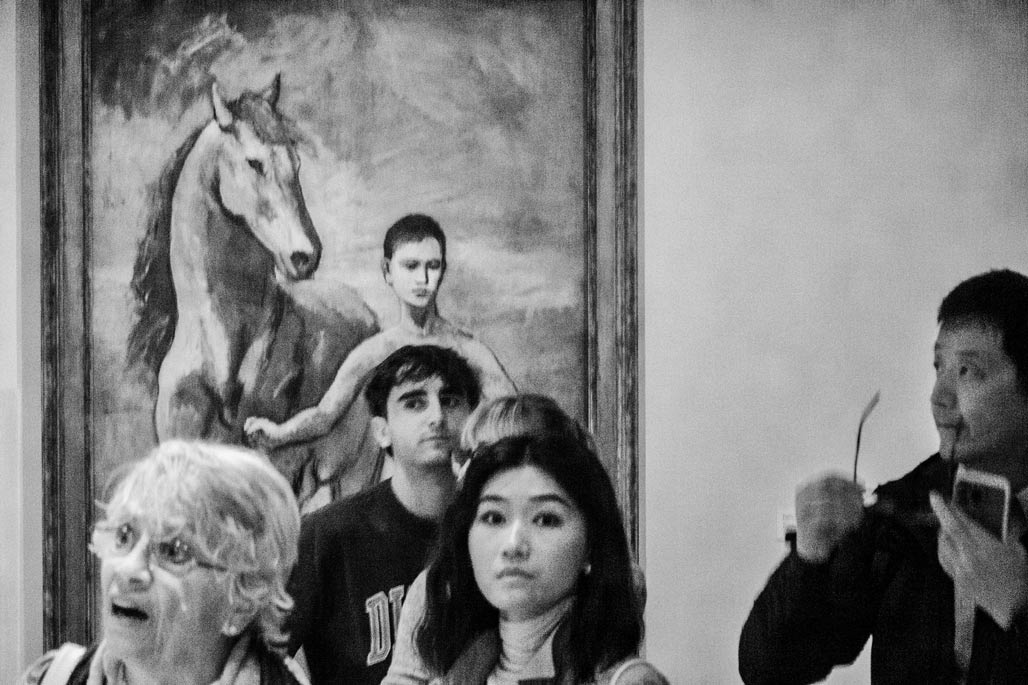
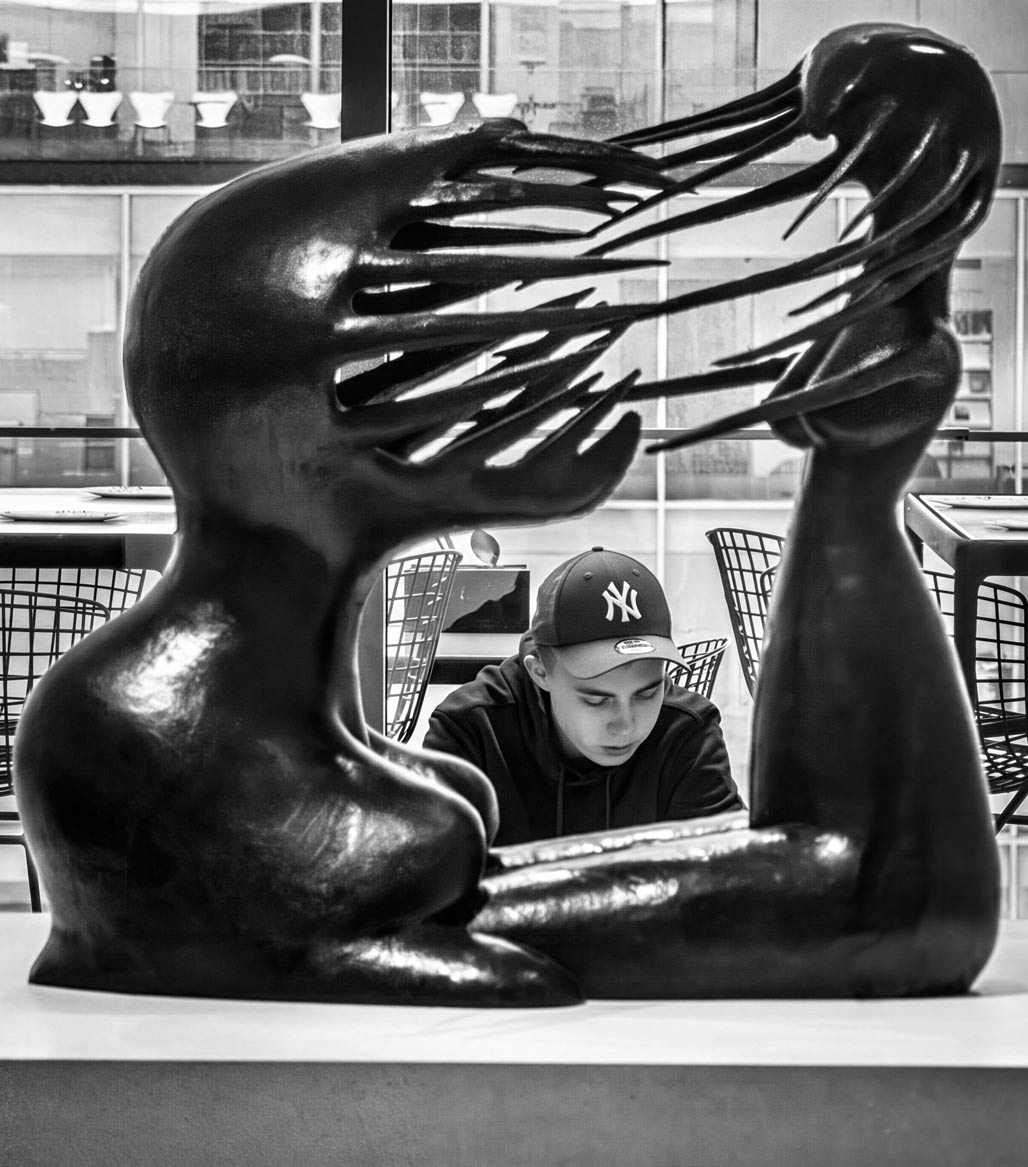
I heard from Anuj Agarwal, the Creators Account Manager and Founder of FeedSpot letting me know that the Black and White blog was selected by FeedSpot as one of the Top 10 Black and White Photography Blogs on the web (2026 Edition).
The Internet has evolved since B&W was started in 1996. I am not a fan of social media where we are all the product. I deeply appreciate Feedspot’s recognition and encourage all to view websites maintained by people who don’t collect and sell your information. Thanks Anuj!
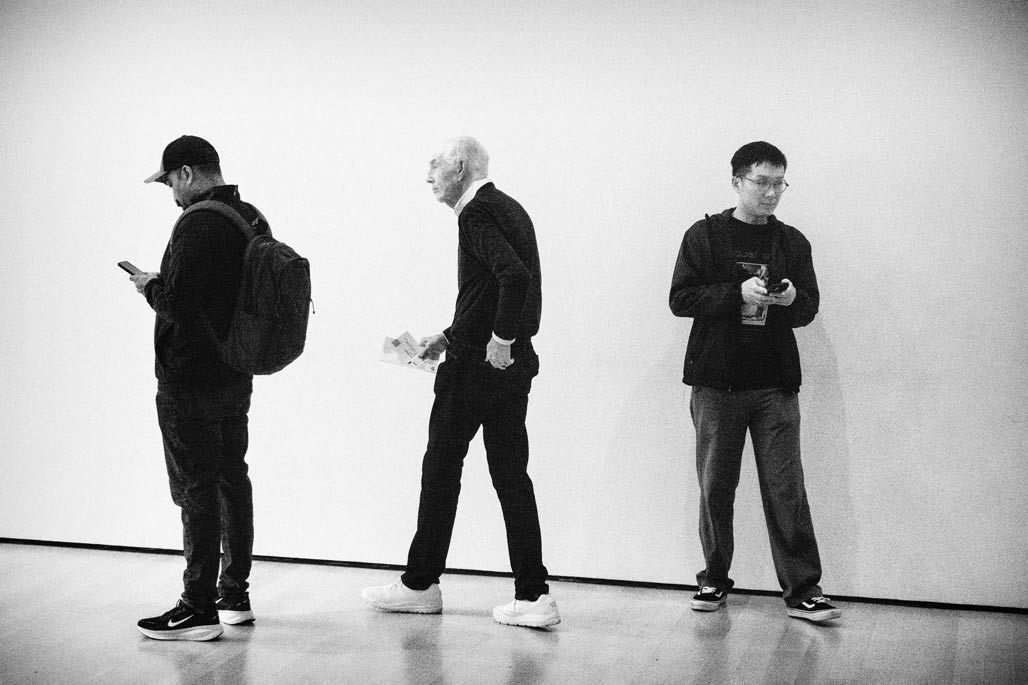
The number of people walking through life with a phone in their hands is high, the Pew Research Center provides numbers. Nine out of ten have a smart-phone, 98 out of 100 some type of mobile phone. This trio reflects the age related aspect of mobile ownership, old people learned about maps and arithmetic.