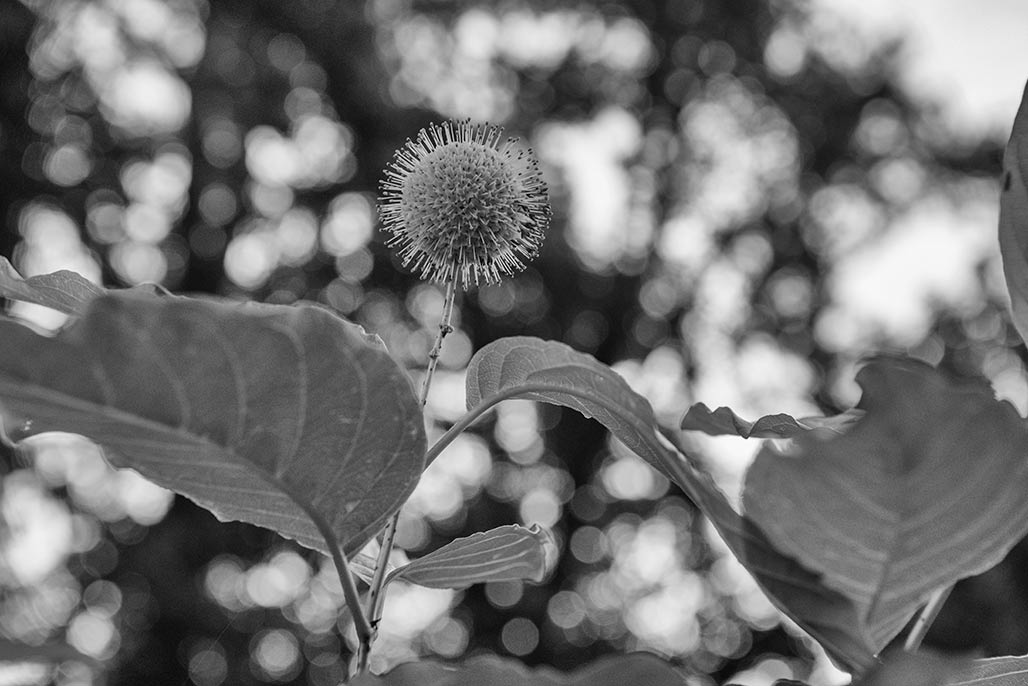
Ethnobotanic: Native Americans used common buttonbush medicinally. Decoctions of the bark were used as washes for sore eyes, antidiarrheal agents, anti-inflammation and rheumatism medications, skin astringents, headache and fever relievers, and venereal disease remedies. The bark was also chewed to relieve toothaches. Roots were used for muscle inflammation and as blood medicines.–Wikipedia
U.S. Forest Service surveys found that loblolly pine is the second most common species of tree in the United States, after red maple.[4] For its timber, the pine species is regarded as the most commercially important tree in Southeastern US.–Wikipedia