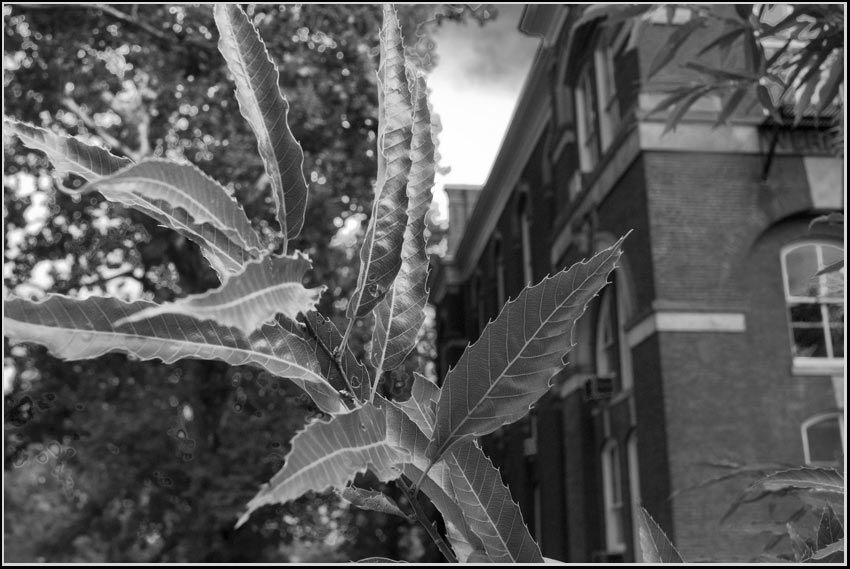
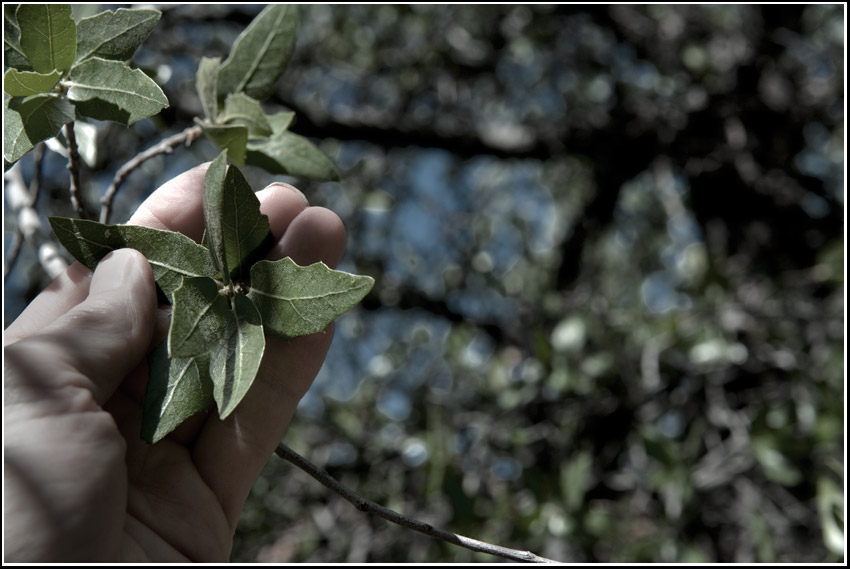
Eight years ago a massive white oak next to Brooks Hall blew down, the night hurricane Isabel came to town. UVA is really good about planting trees on central grounds (aka campus). They replanted a sapling near the oak’s site. My question, what is this tree? Looks almost like pictures of American Chestnut (Castanea dentate), a tree that used to dominate the Piedmont, got knocked down hard by blight starting in the early 1900’s.
On the subject of tree genocide, I wonder if UVA has an official program to deal with the Emerald Ash Borer? No doubt. They must. I wonder what percentage of the large trees at UVA are ash trees? The borers’ favorite food.
Category: flora
day of rest
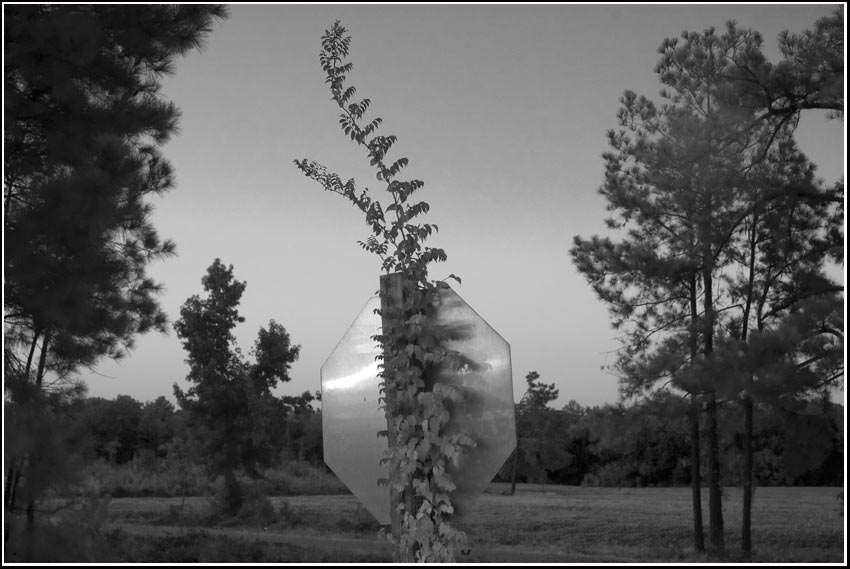
fortunate
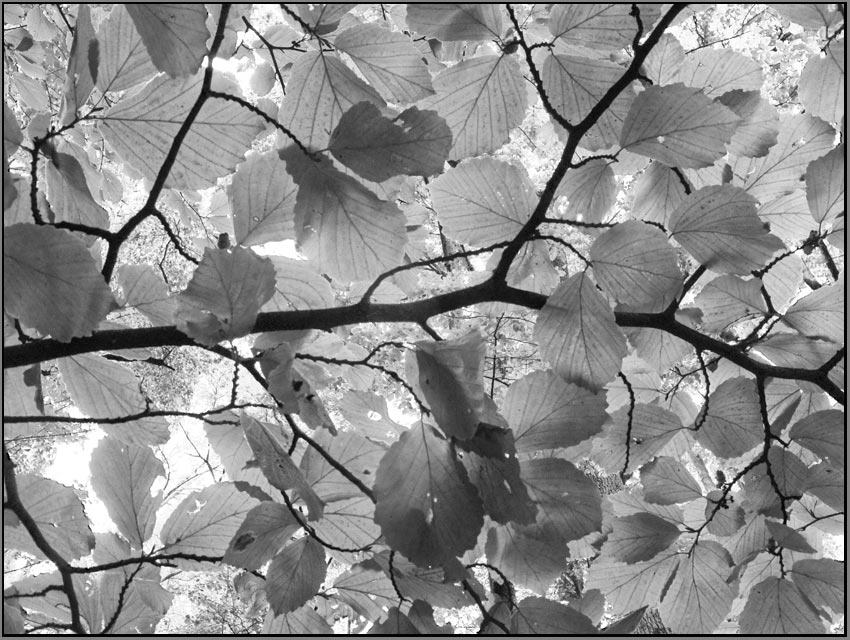
To live in a place where there is rain, and in a place where the villagers don’t make charcoal out of every available woody plant.
The forked twigs of Witch Hazel are preferred as divining rods. An extract of the plant is used in the astringent witch hazel. The bark and leaves were used by native Americans in the treatment of external inflammations. Pond’s Extract was a popular distillation of the bark in dilute alcohol.–Wikipedia
betula uber
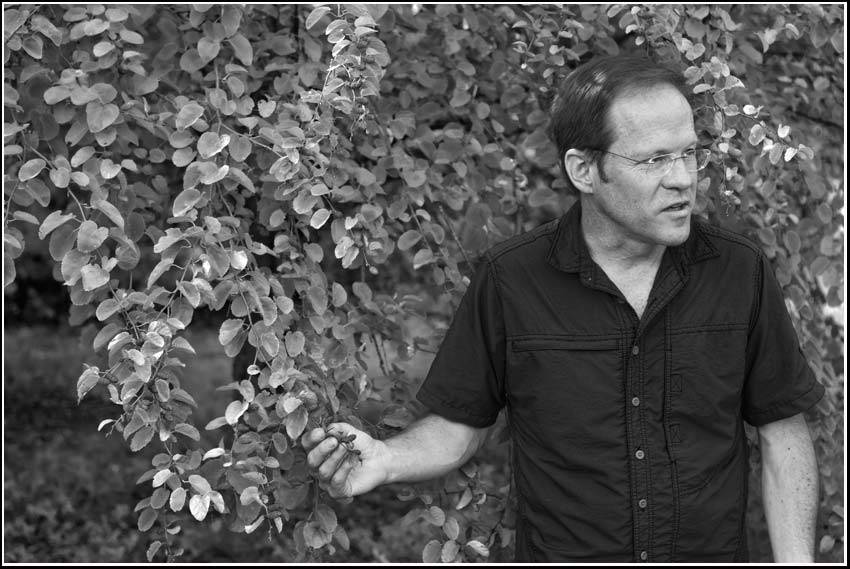
W.W. Ashe in 1918 as living in a single creek's drainage area.
The single natural population of Virginia round-leaf birch has dwindled down to only eight individuals in 2003.
Reproduction in the wild was last documented in 1981.
While there are nearly 1,000 artificially propagated trees in botanical gardens and the wild, the lack of natural reproduction is the primary reason the tree is still listed today.
Recovery for the Virginia round-leaf birch hinges on the successful natural reproduction and survival of these populations in the wild.--U.S. Fish and Wildife Service
tree sex
Tree champion Joe Murray talks about woody perennial sex and Betula Uber…
oak creek
Cynara cardunculus
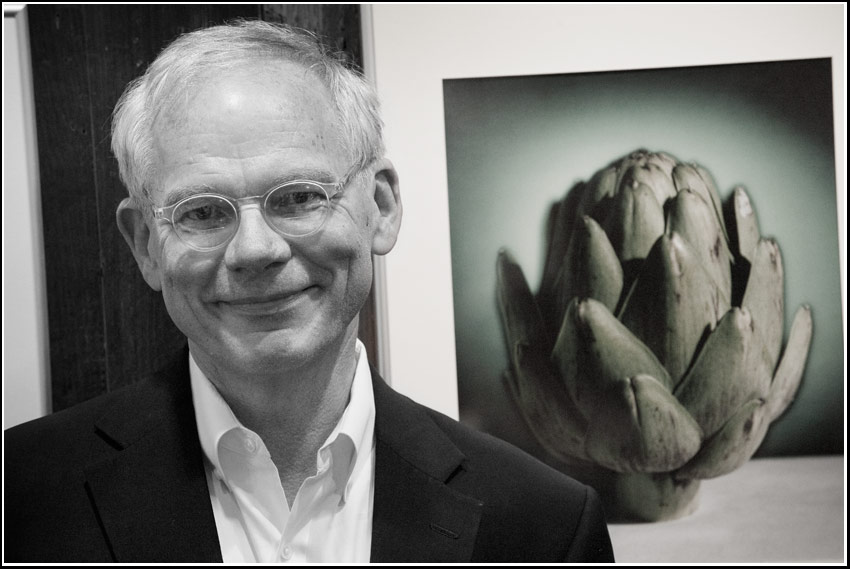
Photos by Bill Moretz on display 10am-6pm until June 30, 2011 at Angelo
Arbor Day
“A society grows great when old people plant trees whose shade they know they shall never sit in.”

Members of the Charlottesville Area Tree Stewards, the Charlottesville Tree Commission, Charlottesville Parks and Recreation and Mia the Dog planted a quercus bicolor in Tonsler Park this morning celebrating Arbor Day.
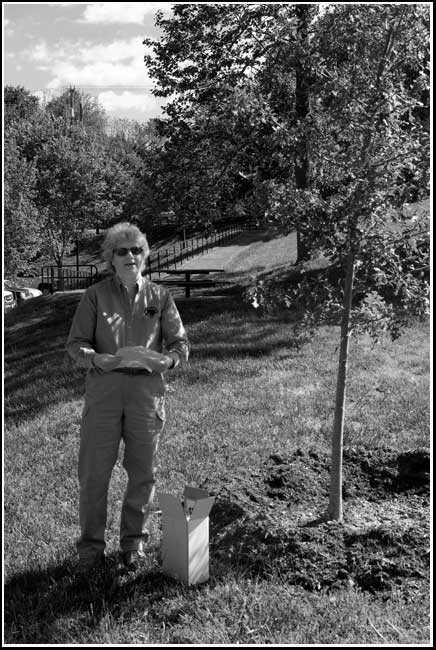 Martha Warring, forester with the VDOF addressed the assembly, marking Charlottesville’s 5th year as a “tree-city”, a citation granted by the Arbor Day Foundation.

Trees start small, they get big. This quercus falcata (Southern Red Oak) is located in the City’s Oakwood Cemetery.
If you have a tree you’d like to nominate for the Charlottesville Area Tree Stewards “treasured tree” program contact them.
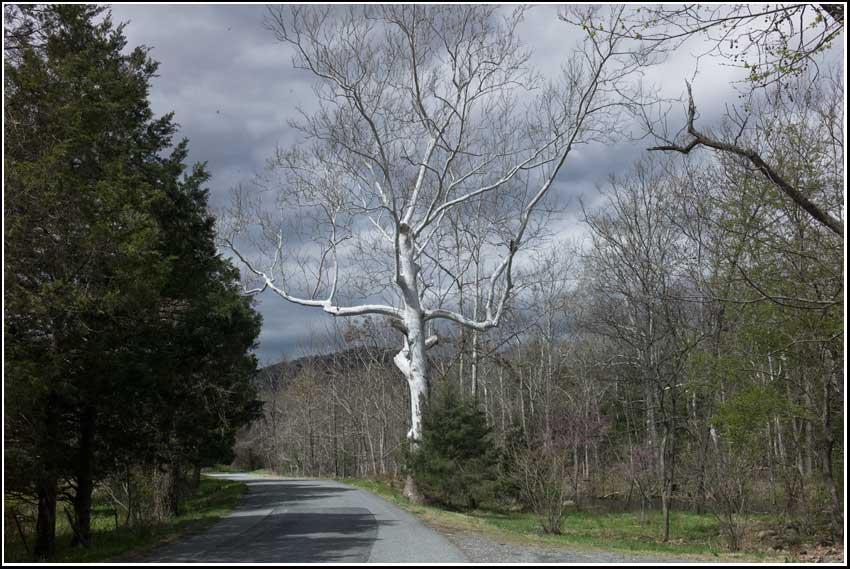
Platanus occidentalis
quercus alba
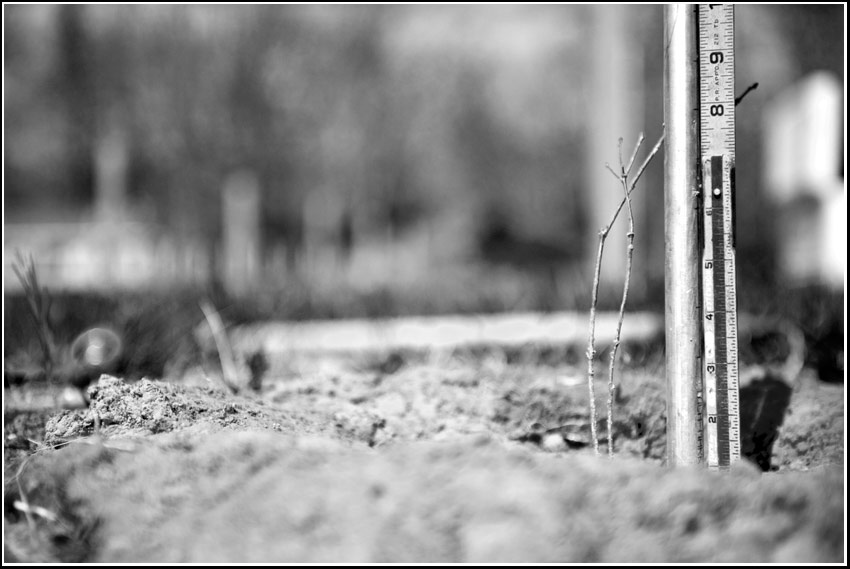
Received a box of bare root oak trees middle of last week from Musser Forests. Traveled to Slabtown to plant. The threat above the ground is from deer, it’s hard to establish an oak forest where there hasn’t been one for 200 years. The threat below the ground is from voles. Saplings get up to 3 feet tall and fall over, all their roots chewed off.
I planted 22 trees, slow going on account of armoring them against critters. Mostly I planted white oaks. Hoping they get six feet above the ground before I get six feet under.
The Virginia Department of Forestry was out of white oak seedlings by the time I called.
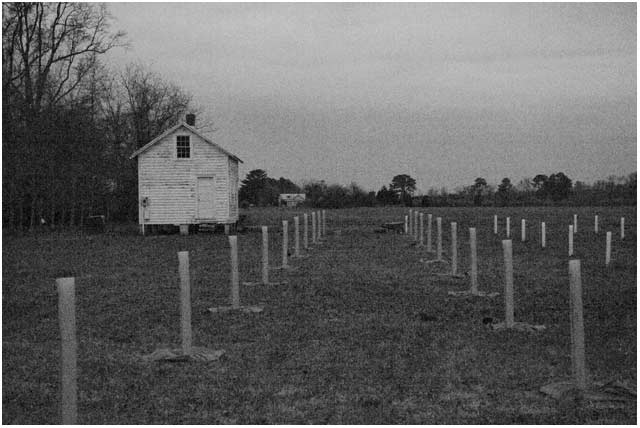
Today wouldn’t be as good a day for planting, snowed in CHO
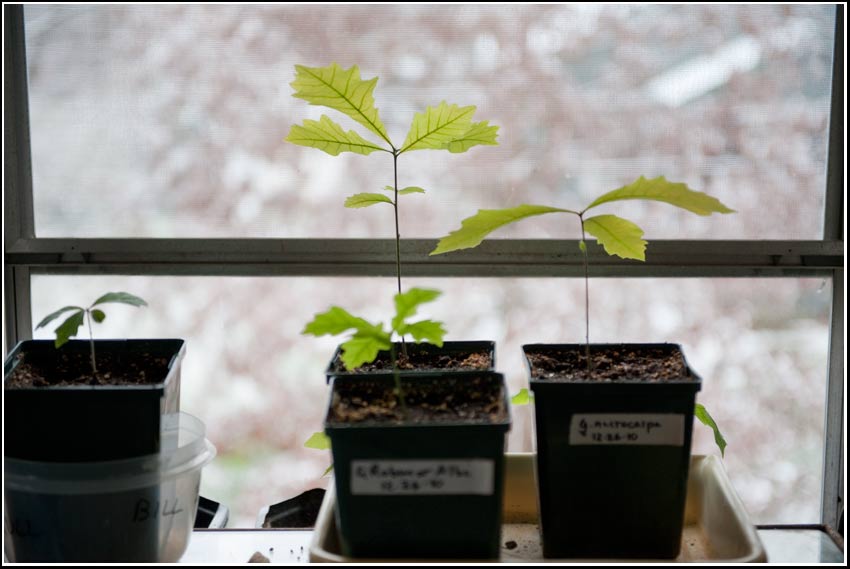
Sassafras albidum
My sister died this morning, I am posting photos of her below.
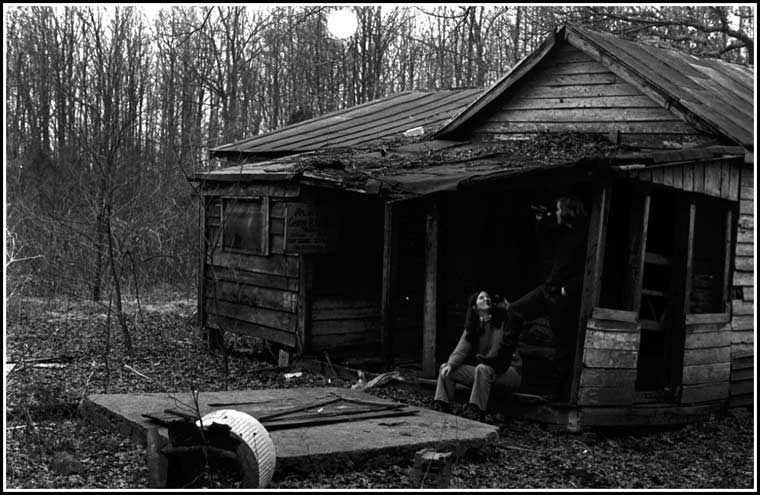
In Orange, Virginia with husband Sam.
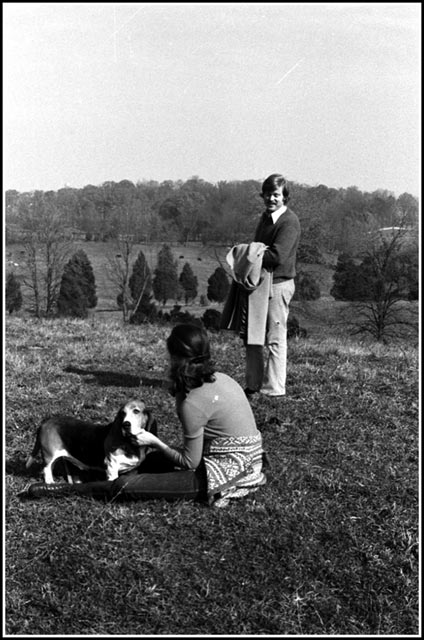
Warrenton Virginia with Sam and her childhood dog Atlas.
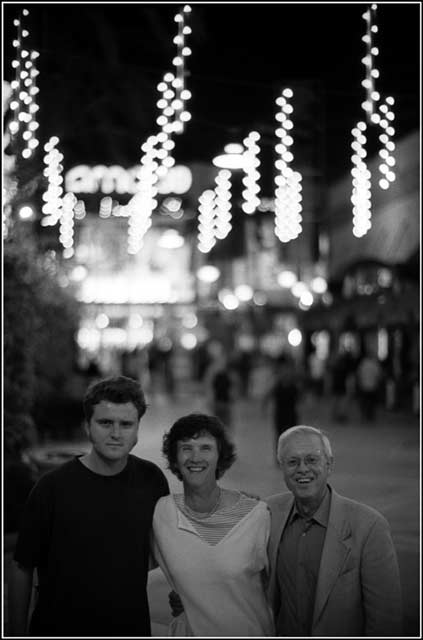
Sam, Gray and Sam in California
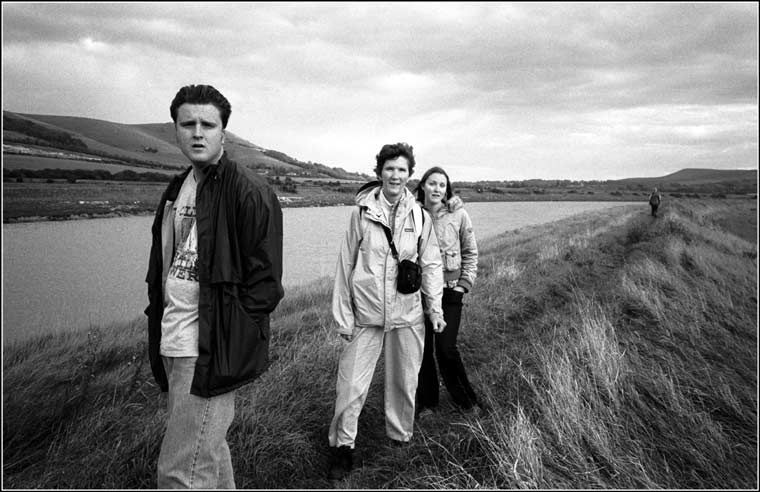
Sam Coale, Gray Coale and Captain Emory on the bank of the River Ouse
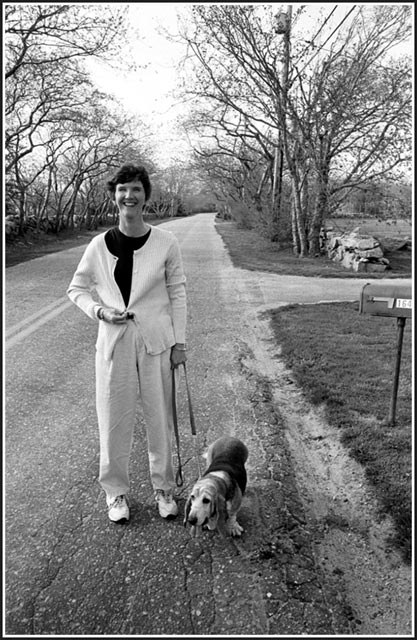
with her adult hound, Ariel.
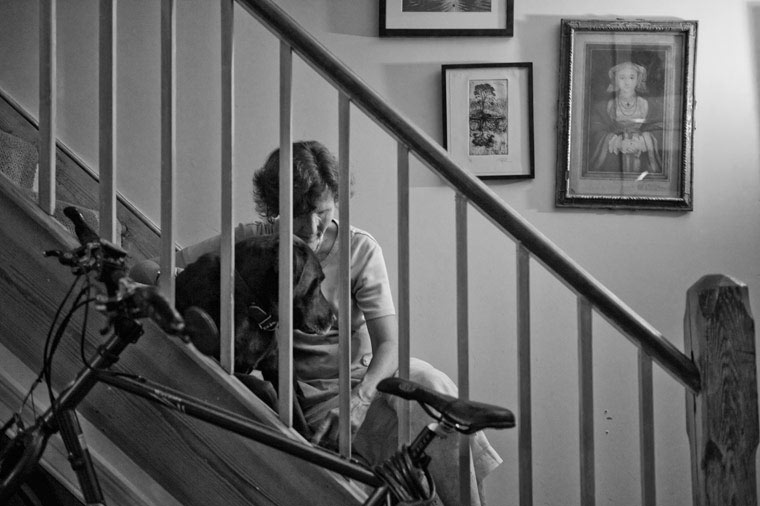
visiting in Charlottesville

In the seat of of happiness, Jane’s kitchen
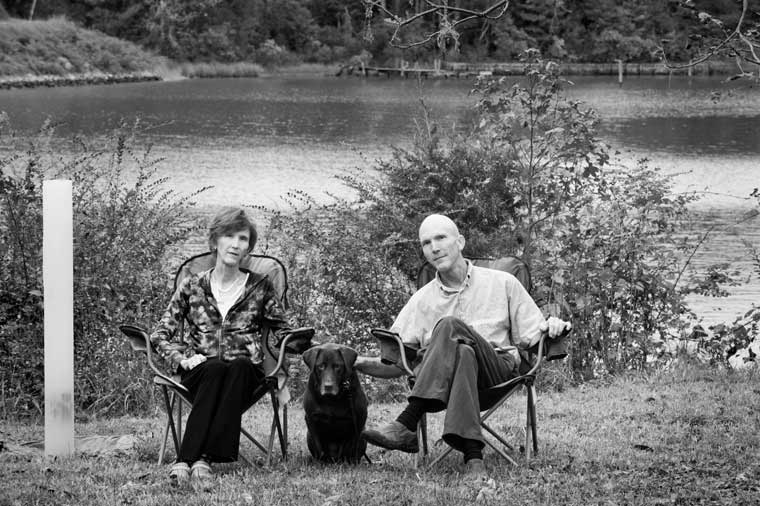
Gray was diagnosed with inoperable pancreatic cancer in November of ’09.
Gray never asked the Doctor about prognosis, never Googled. She went about her life. I had a lot of ideas early on about how she should deal with her cancer but I managed to keep my mouth shut and follow her lead.
Lead she did. Gray worked her way through chemo (Gemzar, Tarceva and Cisplatin), never lost any hair, never lost her appetite, managed to fold all the medical appointments into her approach to life. (Made a lot of new friends, chemo-suite folk, doctors, nurses, custodians, ultra-sound and radiation therapy techs, she’d ask them about themselves and remember their info.)
We all think of denial as a bad thing, I think Freud taught us to do that, and then Elisabeth Kubler-Ross didn’t exactly promote the value of denial. But I read an article recently in the Washington Post which touted the benefit of denial with a diagnosis that borders on a death sentence.
I wanted to tell my friends and family about Gray’s diagnosis, asked her if that was all right, she said no. She wanted the same interaction with the world that she’d always had. I largely honored her request.
Gray’s quality of life was good for 13 months after diagnosis, but a month ago, the pancreatic cancer figured out the mechanics of metastasis, spread to her liver, stomach, lungs and bone. Secondary to that spread, she got massive edema in her legs. For the first time her mobility was compromised.
She went in to consult with her oncologist February 7 and understood there was nothing curative left in the pharmacopoeia to try. She went to hospice that same day, switching from curative to palliative care. She said she felt safe in hospice.
No pain, no fear.
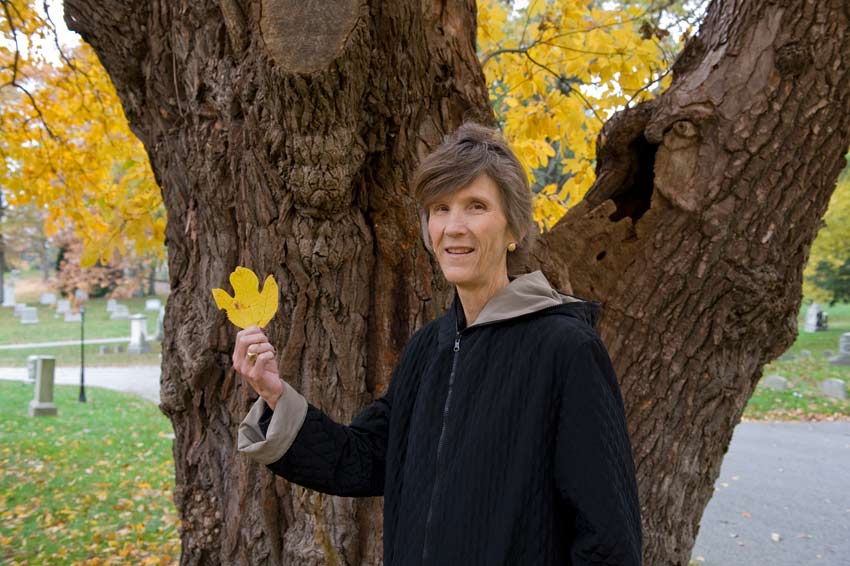
July 11, 1951-February 25, 2011
In lieu of flowers, please make donations to the Gray E. Coale Memorial Garden at Swan Point. Please make checks payable to Swan Point Cemetery, 585 Blackstone Boulevard, Providence, RI 02906. The idea is a grove of sourwoods (Oxydendrum arboreum), some other natives, and a place to sit and listen to the wind.
The funeral will be held at St. Martin’s Church, 50 Orchard Avenue, Providence, RI on Thursday, March 3, at 11:00 AM.