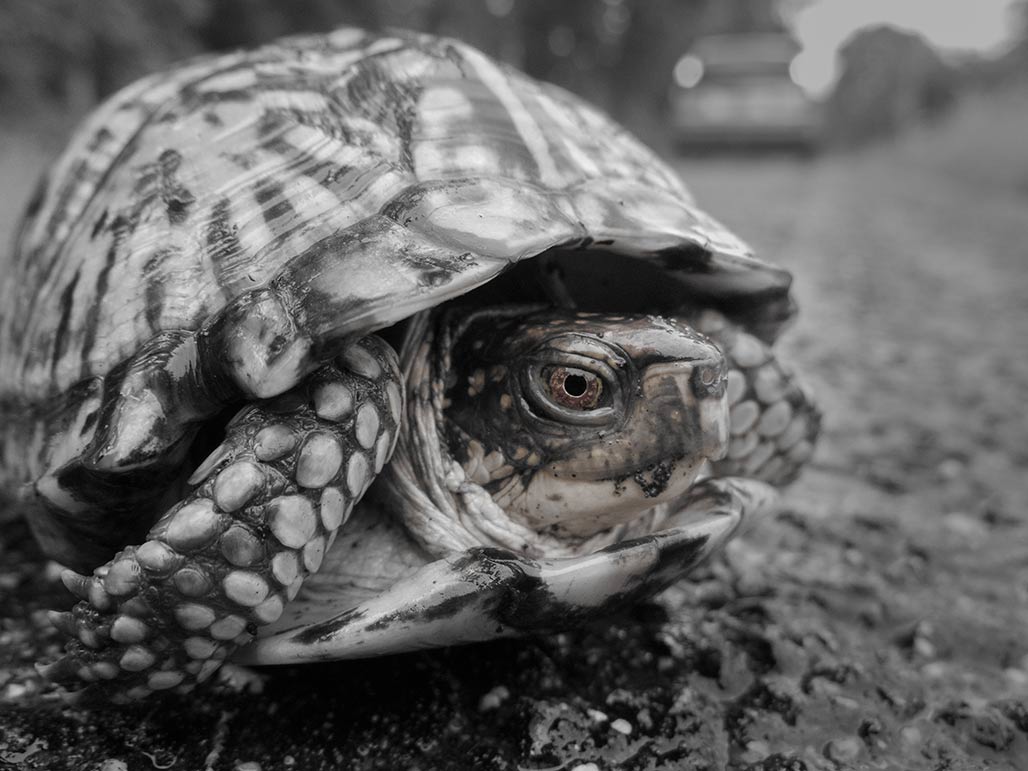
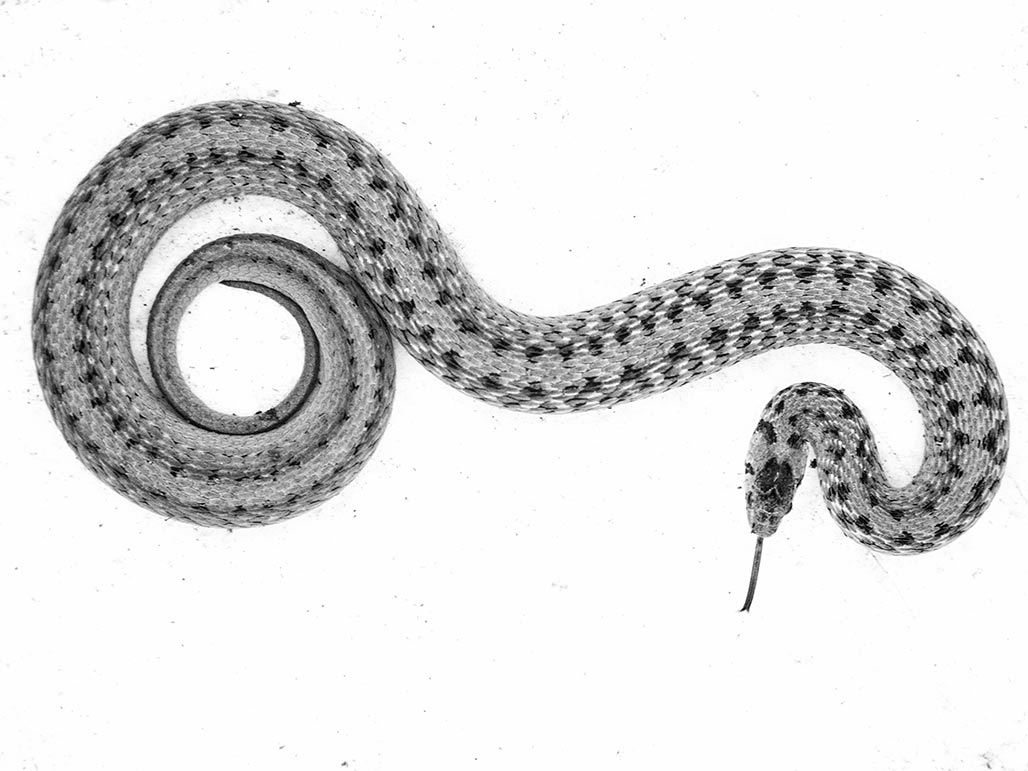
Box turtles are slow crawlers, extremely long lived, slow to mature, and have relatively few offspring per year. These characteristics, along with a propensity to get hit by cars and agricultural machinery, make all box turtle species particularly susceptible to anthropogenic, or human-induced, mortality. In the wild, box turtles are known to live over 100 years, but in captivity, often live much shorter lives.–Wikipedia
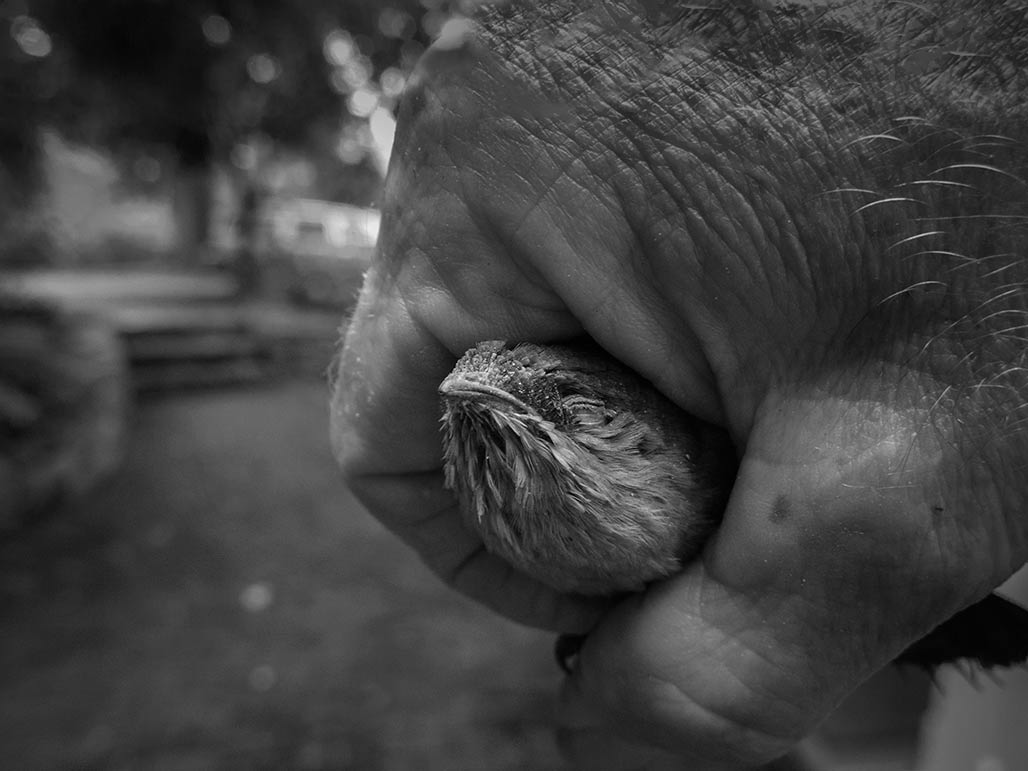
A rare chance to be the divine agent. This fledgling faltered into an inescapable dark place. No possibility for self effected escape. Then, lo! A hand, a huge featherless being, transport, the outdoors. Another day!
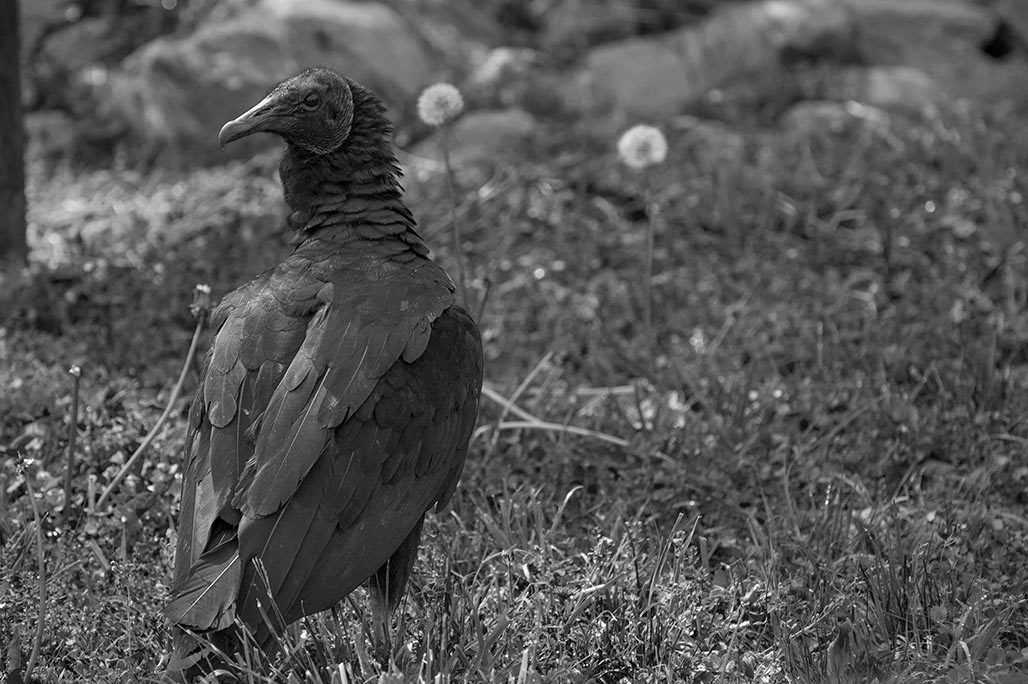
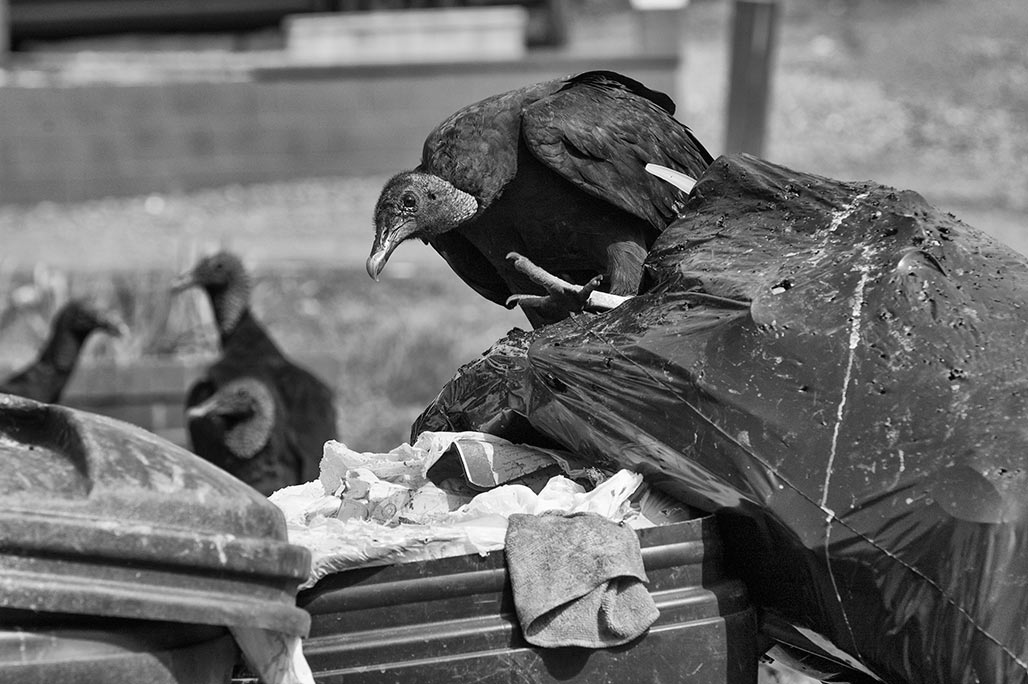
Like all New World vultures, the black vulture often defecates on its own legs, using the evaporation of the water in the feces and/or urine to cool itself, a process known as urohidrosis. It cools the blood vessels in the unfeathered tarsi and feet, and causes white uric acid to streak the legs.Wikipedia
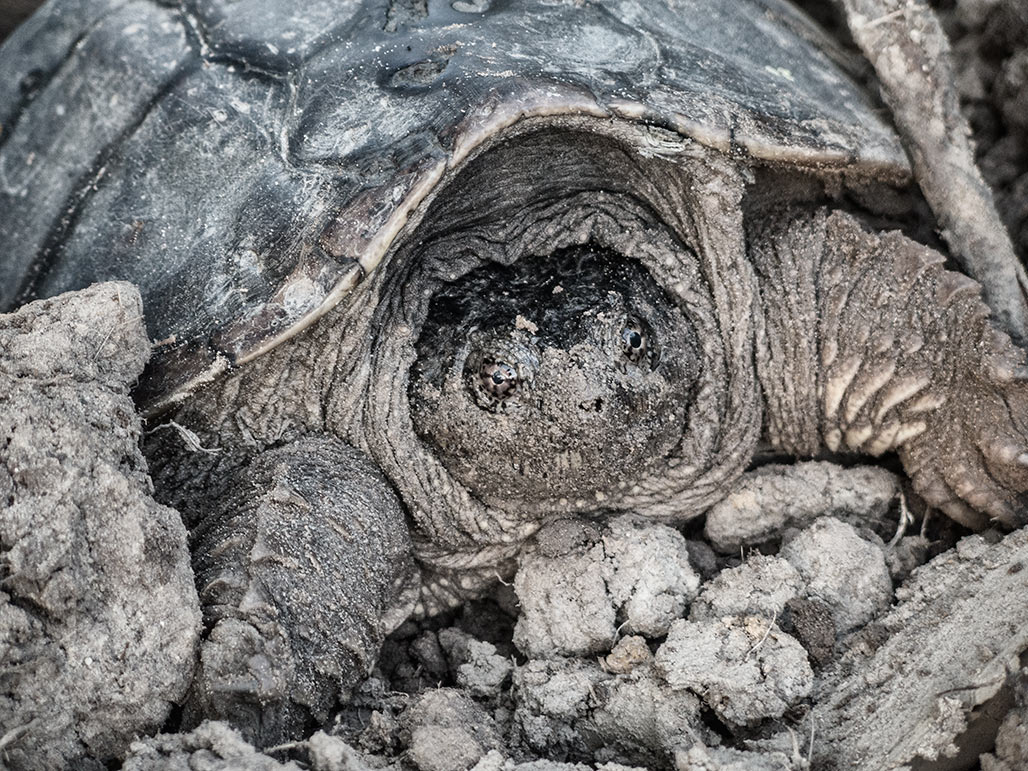
Chelydra serpentina, four days late to the party, world turtle day, May 23. Organizers were not surprised. “Timeliness is not a concern, we are an association of Turtles.”
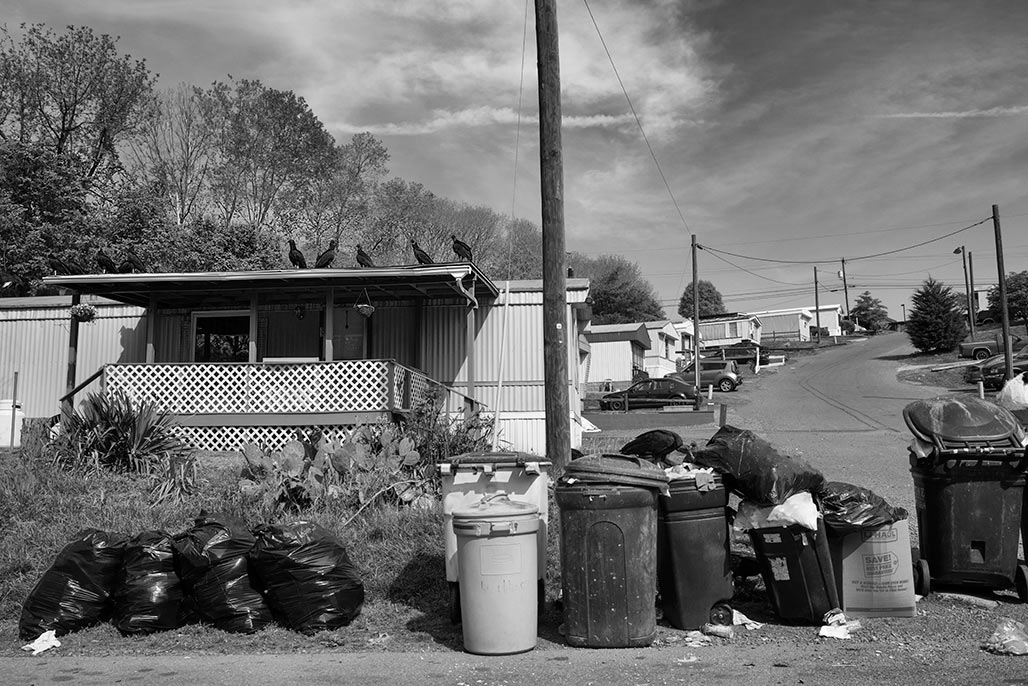
The black vulture (Coragyps atratus) also known as the American black vulture, is a bird in the New World vulture family whose range extends from the southeastern United States to Central Chile and Uruguay in South America.–Wikipedia
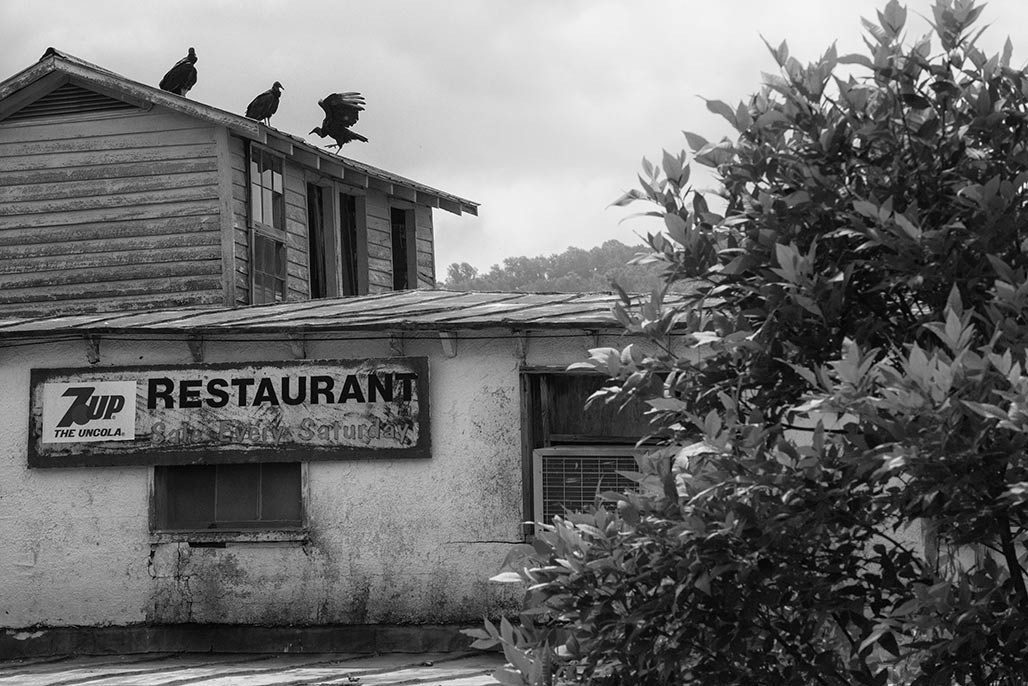
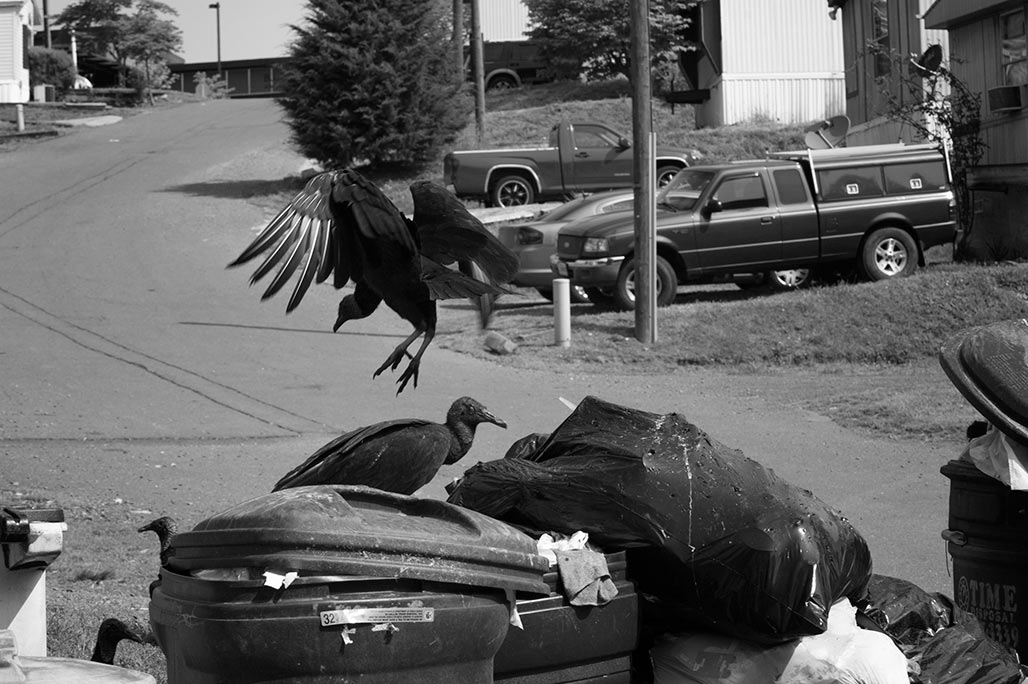
Humans like to anthropomorphize animals. In that vein, the vultures are very mannerly. They wait their turn at the table.
Density (check) City services (check) Food options (check) Walkability (not really a concern) Sustainability (check)
Connectivity (check) Mixed use and diversity (check) Traditional neighborhood structure (check) Smart transportation (check) Quality architecture and urban design (?)
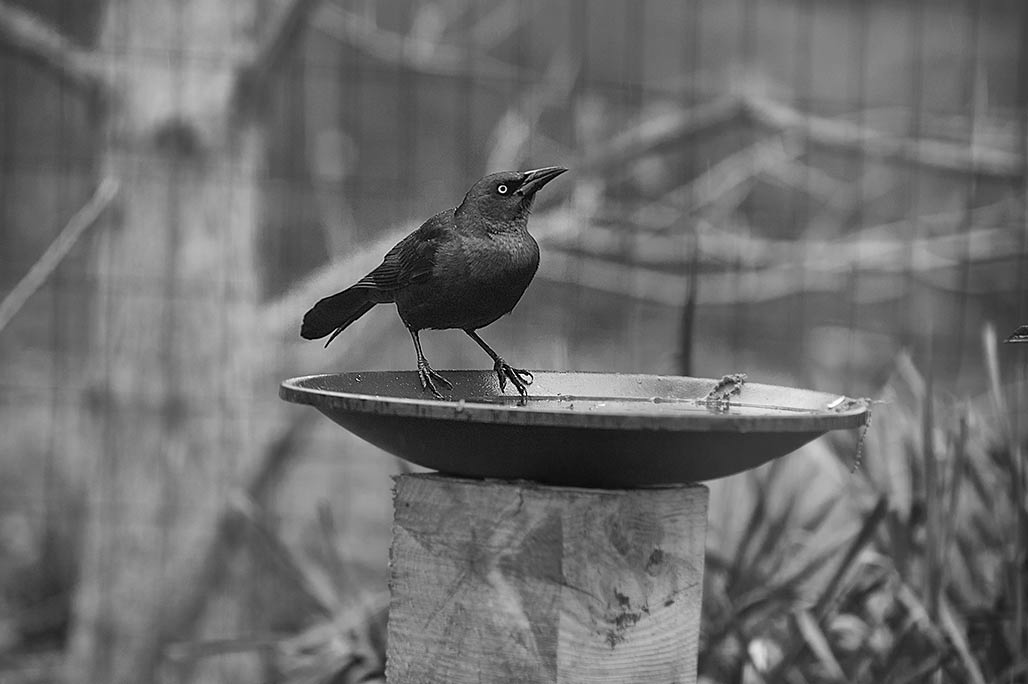
The grackle can also mimic the sounds of other birds or even humans, though not as precisely as the mockingbird, which is known to share its habitat in the Southeastern United States.–Wikipedia
Opportunistic omnivors. Like us.