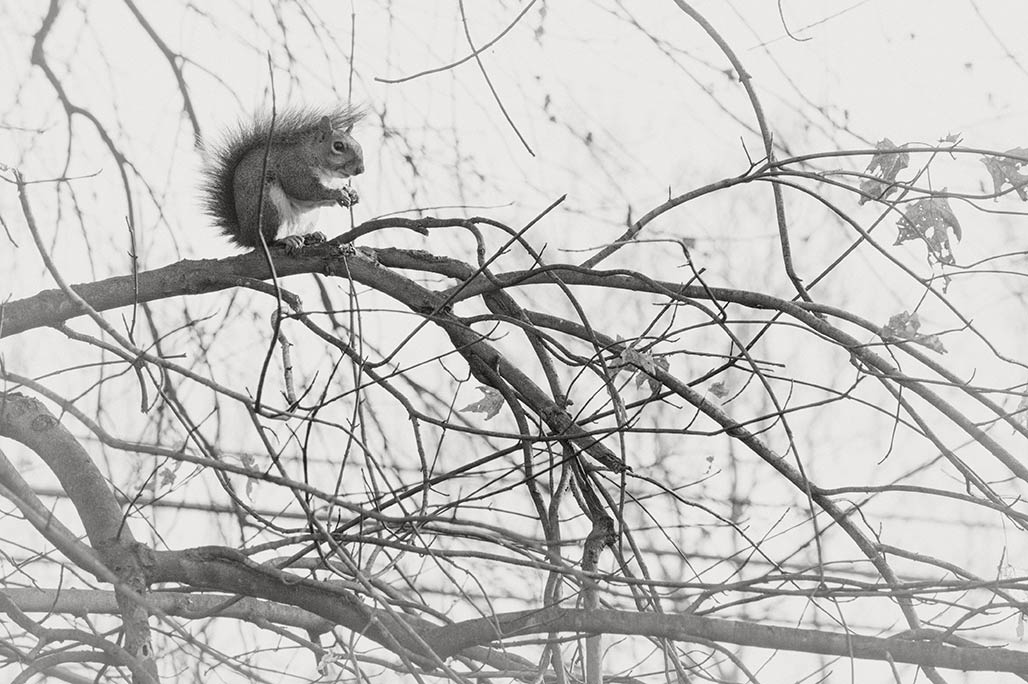
The generic name, Sciurus, is derived from two Greek words, skia, meaning shadow, and oura, meaning tail. This name alludes to the squirrel sitting in the shadow of its tail–Wikipedia
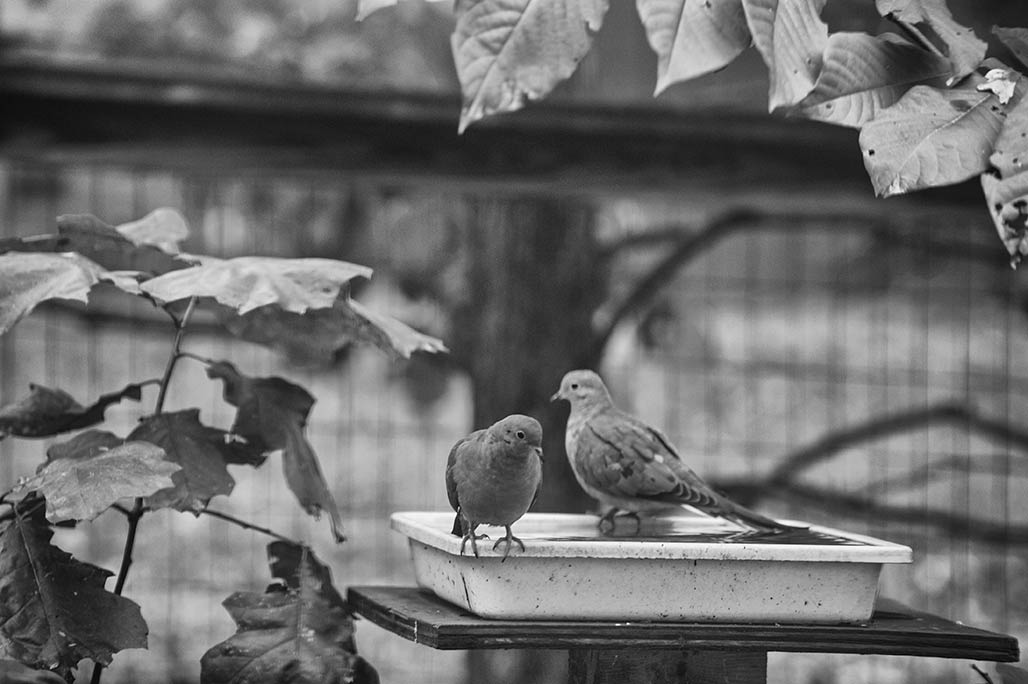
(Print trays make good bird baths, edges are easily gripped.) It (the dove) is also a leading gamebird, with more than 20 million birds (up to 70 million in some years) shot annually in the U.S., both for sport and for meat. Its ability to sustain its population under such pressure is due to its prolific breeding; in warm areas, one pair may raise up to six broods of two young each in a single year.–Wikipedia
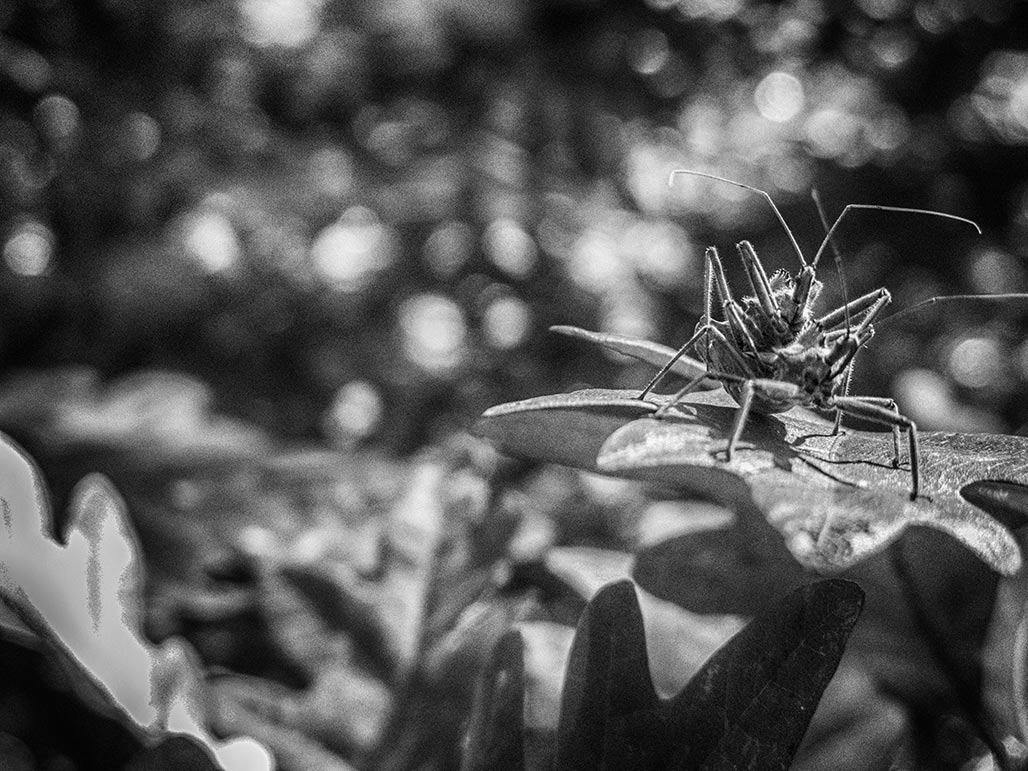
The reproductive cycle of the wheel bug initiates in autumn. When a pair of wheel bugs encounter each other and have coitus, the female will lay 40-200 small, brown, cylindrical eggs on a tree twig, and eventually die. The eggs will hatch in the next spring into eighth millimeter long red nymphs, which will undergo 5 molts until they reach the adult stage the following summer. They are predators upon soft-bodied insects such as caterpillars, Japanese beetles, etc., which they pierce with their beak to inject salivary fluids that dissolve soft tissue. Because most of their prey are pests, wheel bugs are considered as beneficial to the garden as ladybugs. They are also known for eating stinkbugs.-Wikipedia
(these two in a q.alba)
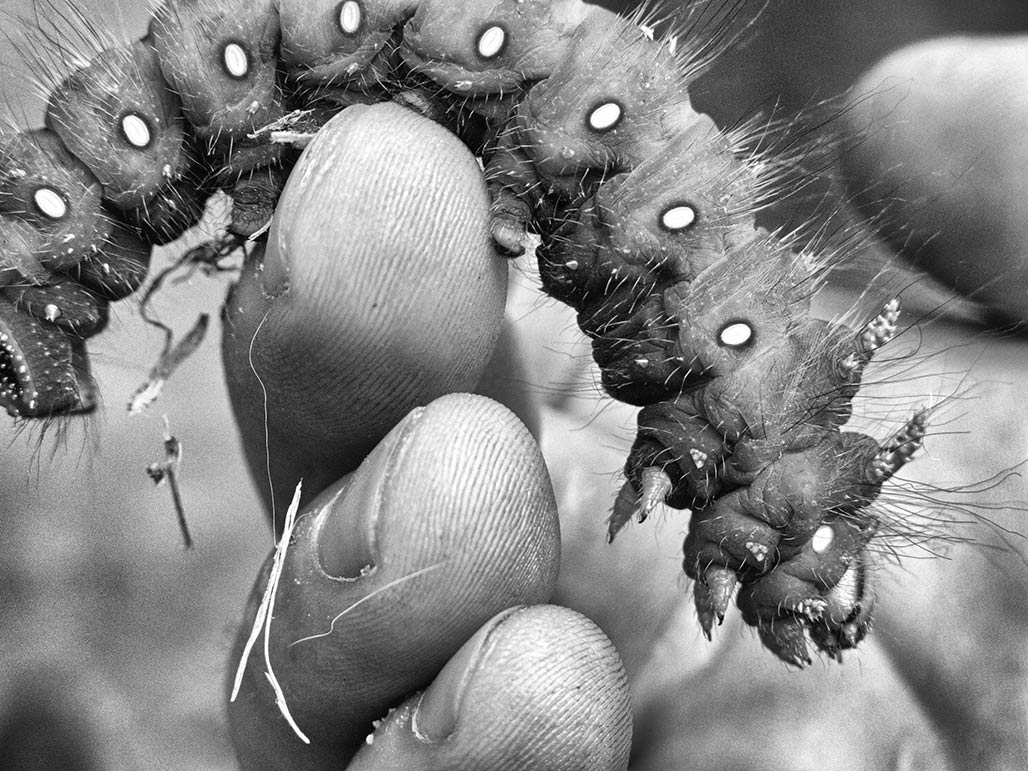
Eacles imperialis is one of a few saturniid species in a regional decline throughout the northeastern US, with some New England states lacking records for many decades. A colony on Martha’s Vineyard, Massachusetts, has been the subject of scientific and local political activity, especially concerning preservation of sensitive frost-bottom oak/pine habitat.–Wikipedia
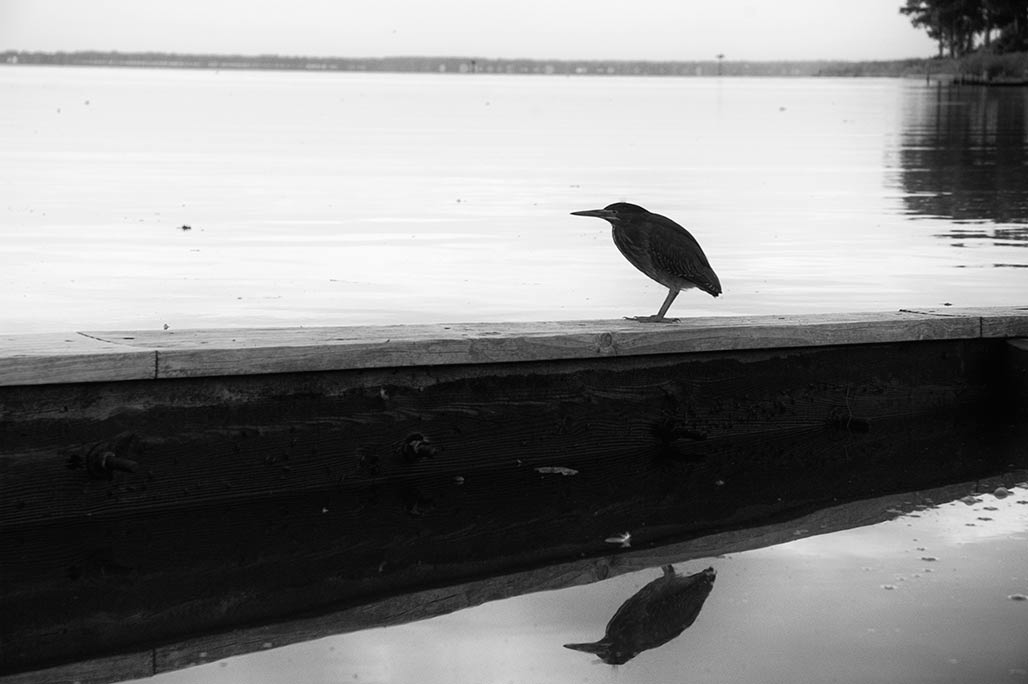
Green herons are one of the few species of animal known to use tools. In particular, they commonly use bread crusts, insects, or other items as bait. The bait is dropped onto the surface of a body of water in order to lure fish. When a fish takes the bait, the green heron will then grab and eat the fish.–Wikipedia