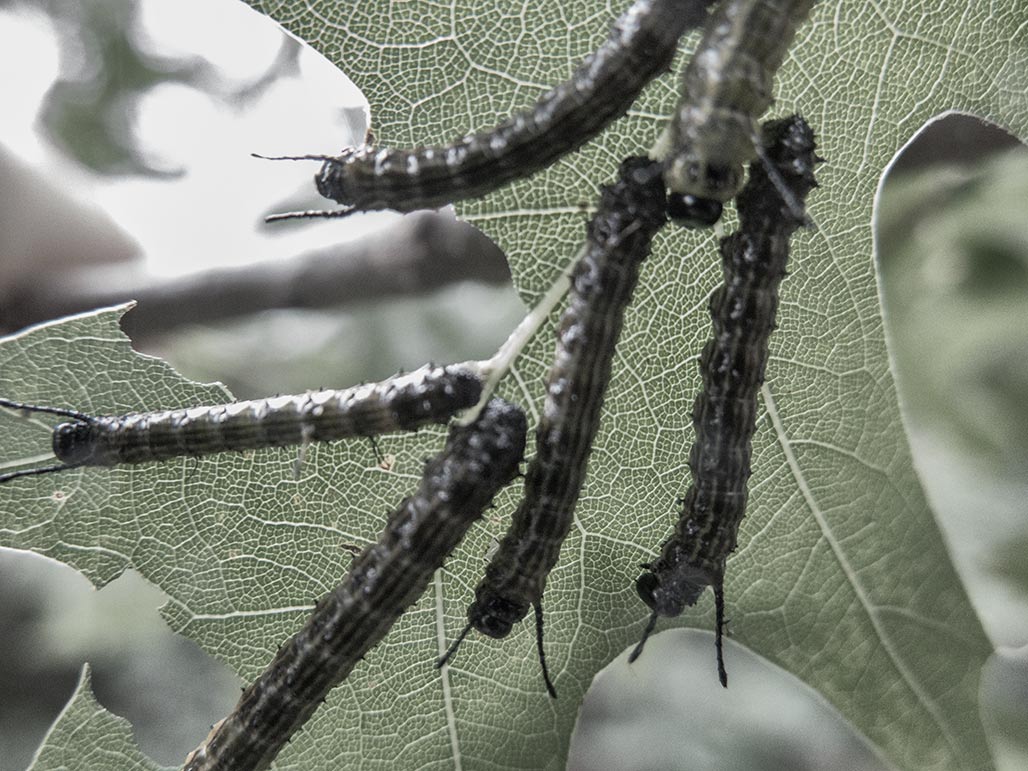
University of Florida has an excellent write-up about these critters.They tend to lay egg masses on the lower leaves. So if you were able to inspect a few thousand leaves…Hoping the Charlottesville downtown mall isn’t beset by these. They particularly like q. phellos. Differences between instars can often be seen in altered body proportions, colors, patterns, or changes in the number of body segments. —Wikipedia
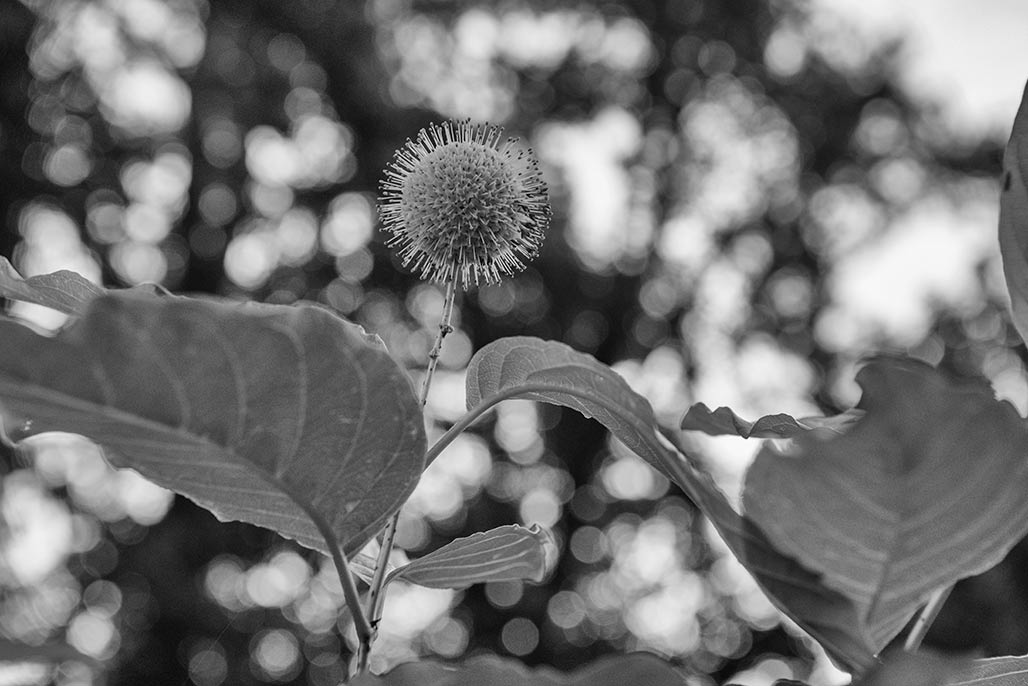
Ethnobotanic: Native Americans used common buttonbush medicinally. Decoctions of the bark were used as washes for sore eyes, antidiarrheal agents, anti-inflammation and rheumatism medications, skin astringents, headache and fever relievers, and venereal disease remedies. The bark was also chewed to relieve toothaches. Roots were used for muscle inflammation and as blood medicines.–Wikipedia
U.S. Forest Service surveys found that loblolly pine is the second most common species of tree in the United States, after red maple.[4] For its timber, the pine species is regarded as the most commercially important tree in Southeastern US.–Wikipedia
May 15 Woolen Mills residents take a guided tour of the environmental protection area next to Moores Creek with Andrea Terry of RWSA. Native people lived just north of here. Split when Europeans arrived.
Lagerstroemia, commonly known as crape myrtle or crepe myrtle, is a genus of around 50 species of deciduous and evergreen trees and shrubs native to the Indian subcontinent, southeast Asia, northern Australia and parts of Oceania, cultivated in warmer climates around the world.–wikipediaMarch 18, Adrian Higgins at the Washington Post published a column “How to avoid hacking at your crape myrtle this spring“,
The crape myrtle has always brought out the inner butcher in certain people —
there is something about those smooth, sinewy branches that screams “amputate me”.–A. Higgins