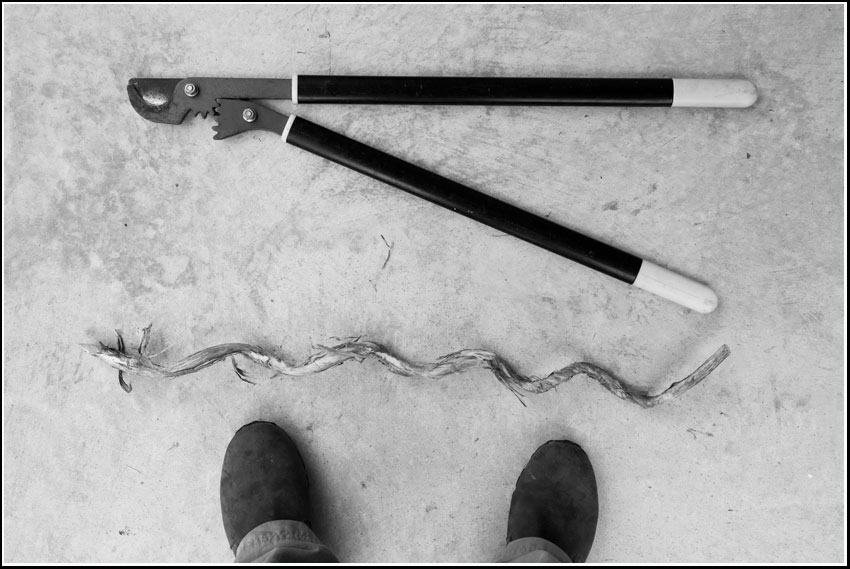
Gray and the Colonel both loved working with nature, in nature, the worse the better. Slash and burn, plant plant plant. Lucky are we to be alive, in the garden.
Category: flora
bones
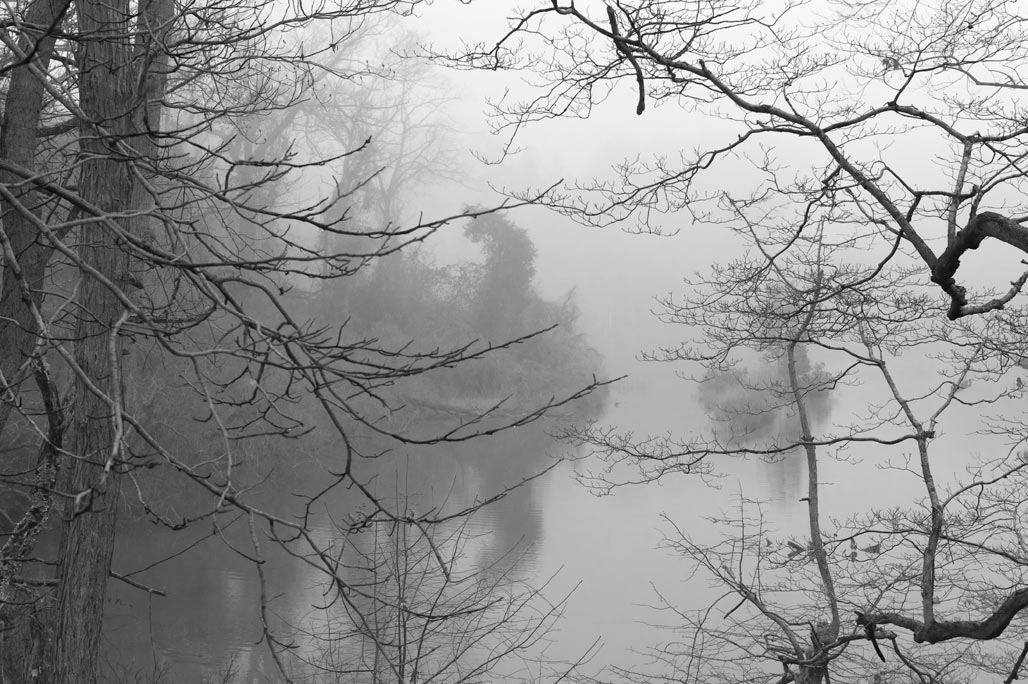
I am particularly fond on this time of year in Virginia, the bones of the world are visible.
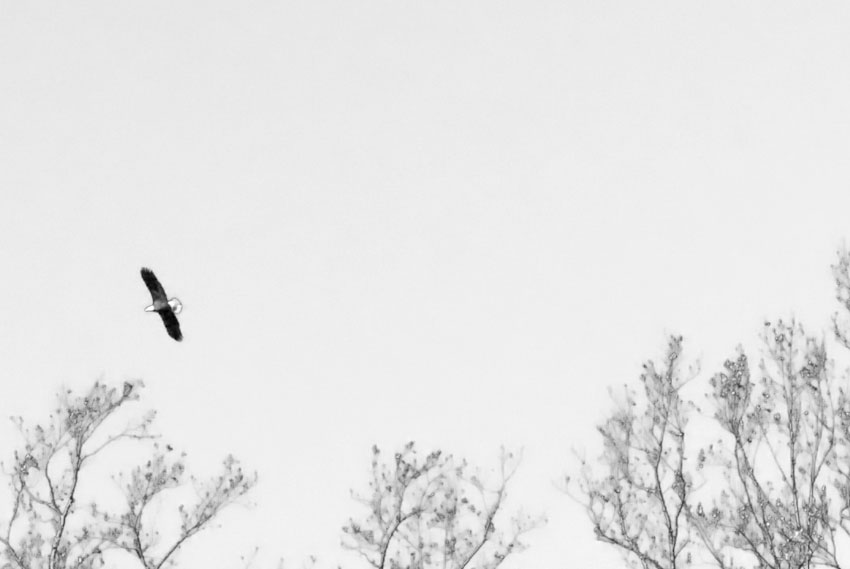
One day I’ll have a telephoto lens on the camera when this big bird does a low altitude fly-over.
Quercus phellos
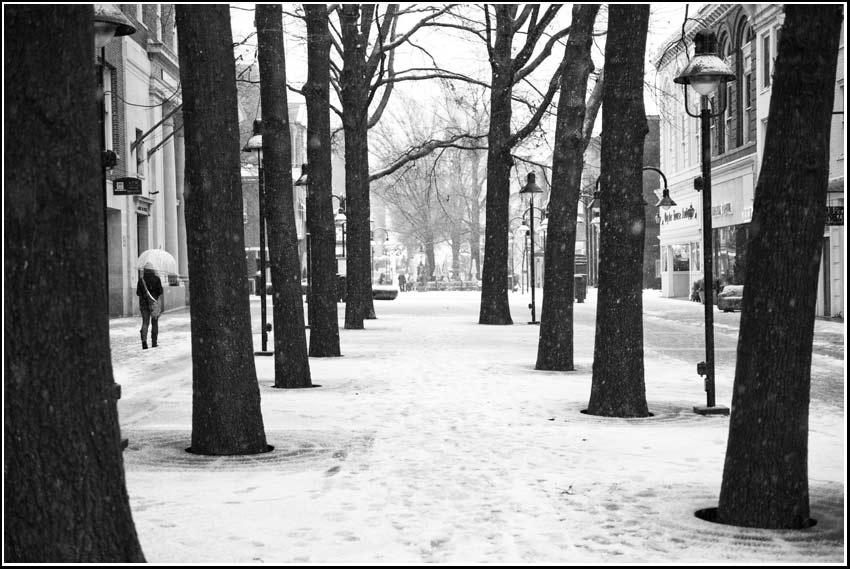
Does anyone know the value of these trees? I heard that the timber at Ragged Mountain didn’t have much value, or more accurately, that the value of the Ragged Mountain trees would be realized by the low bidder on the earthen dam.
But what is the value of this downtown stand? What is the replacement plan? Maybe we could let the restaurants and vendors who lease this space sell the lumber to help defray their rental expense?
Have there been any reports from arborists that these juveniles are “in decline”? That is often the way the cutting begins.
first time
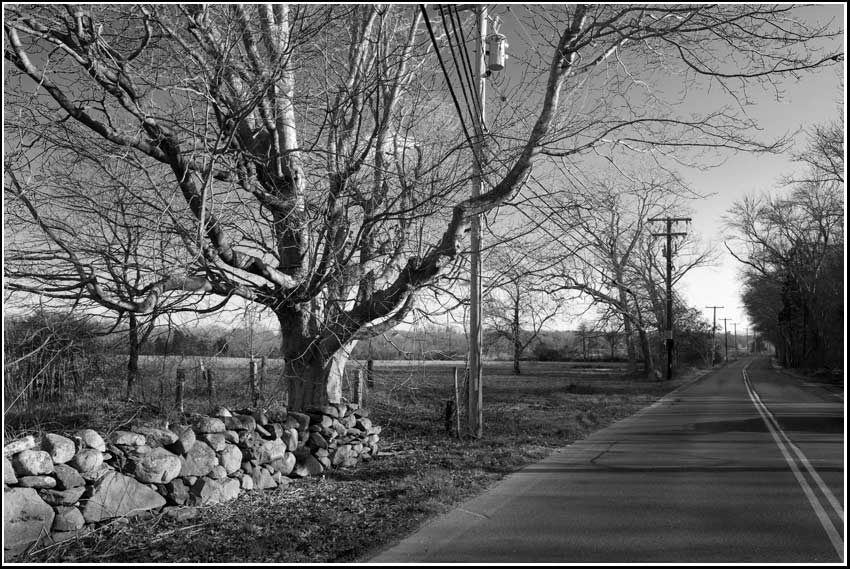
My sister loved work. Visited Sylvan Nursery yesterday, one of her workplaces, first time ever I have been there without her.
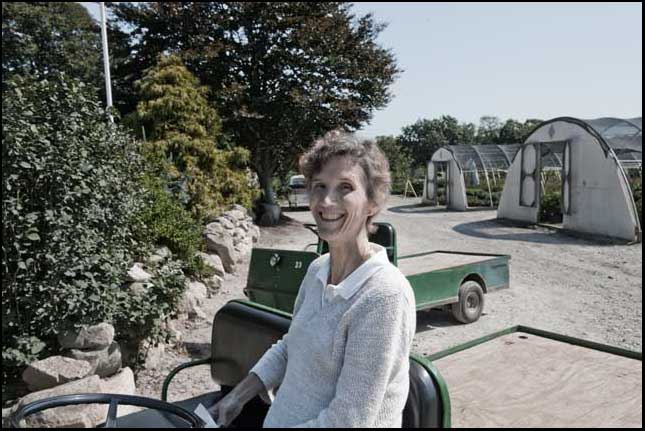
Bought a sourwood or sorrel tree, Oxydendrum arboreum, the sole species in the genus Oxydendrum. It’s a Virginia native.
The first time I bought a sourwood, Emma, Helen and I planted it in Gray’s front yard, on her 45th birthday. This 2nd one goes in my oak-heath forest on Market Street. Hope the roots whisper to each other across the 459 mile divide.
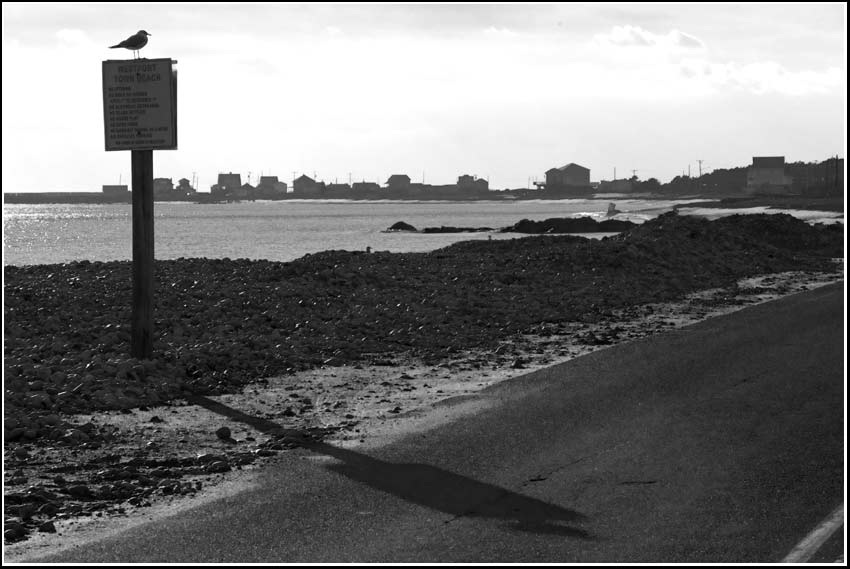
Back to Gray’s I looped south to the ocean and west by way of East Beach Road. The section of road destroyed by Hurricane Irene has been reconstituted.
magnolia grandiflora
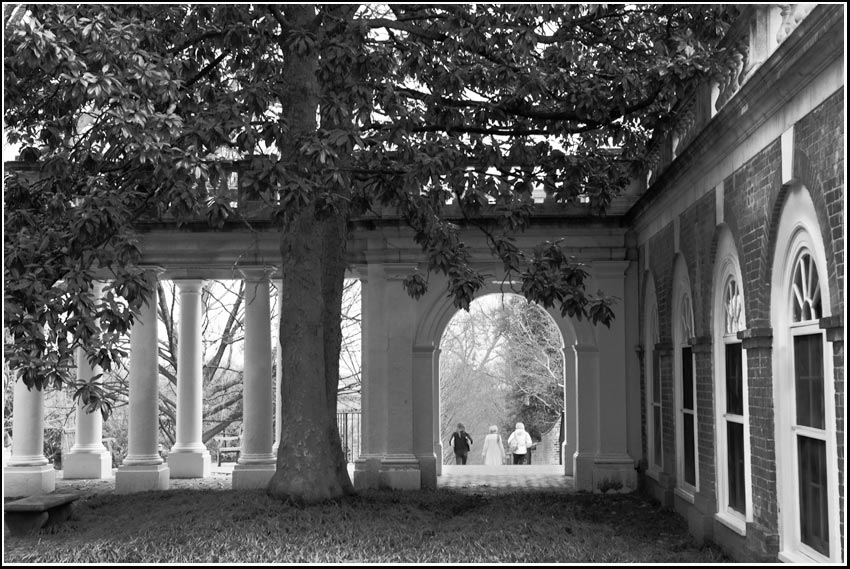
Visited the Rotunda yesterday to see the magnolias that have occupied the gardens flanking that structure for a century. Has the fate of the trees been sealed?
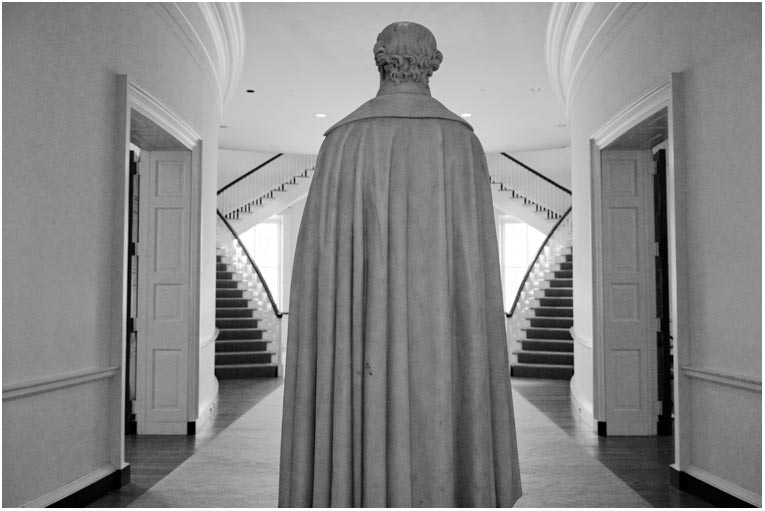
Will Mr. Tom come flying out of the Rotunda when the chainsaws crank to bargain with the sawyers? Possibly he could have made tiny replicas of the Rotunda from the bull bay heartwood.
iso Quercus Alba
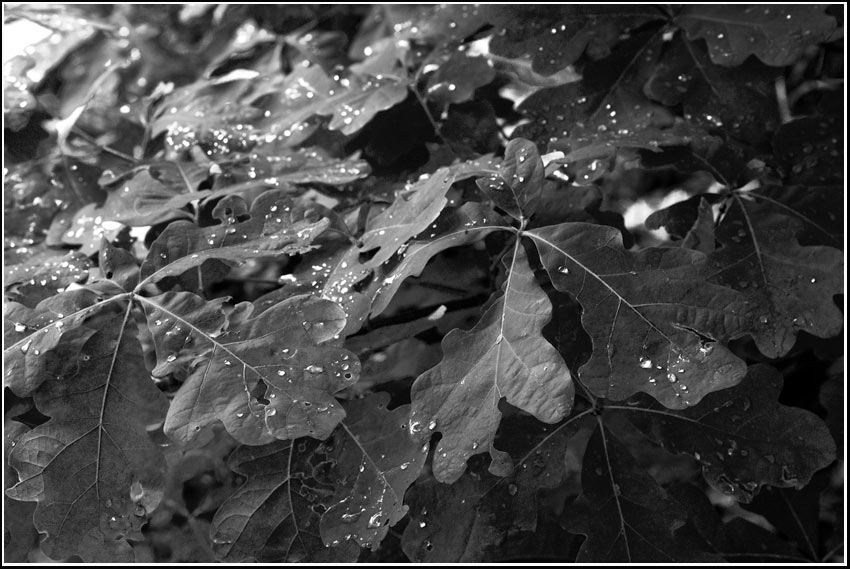
White Oak is a long-lived, slow-growing tree, reaching 60 to 100 feet in height with a spread of 50
to 90 feet in its native bottomland soil (Fig. 1). Old specimens can be massive, growing to be several
hundred years old. Since trunks can be six feet in diameter leave plenty of room for this tree in the
landscape. The trunk flares out at the base lifting sidewalks and curbing if planted in tree lawns less
than eight feet wide. The red fall color is fairly reliable year to year and is outstanding among the
Oaks in USDA hardiness zones 8a and colder areas. Brown leaves may be held on the tree into the early
part of the winter.–Gilman and Watson
According to the USDA’s Woody Plant Seed Manual, Quercus is the largest genus of trees
native to the United States (Little 1979) and was designated as the “national tree” by the National Arbor Day Foundation in 2004.
White oaks typically don’t bear acorns until their twentieth year. The large seedcrop years are spaced out, every four to ten years.
Nurseries don’t do much of a job propagating these.
This time last year I had twenty of these juveniles in pots. This year I haven’t been able to find a single acorn. I’ve checked in four counties. Bicycled to neighborhood in CHO looking for acorns where they are typically plentiful. No joy.
Smallest acorn crop in 20 years. New York Times has the story!
lightning
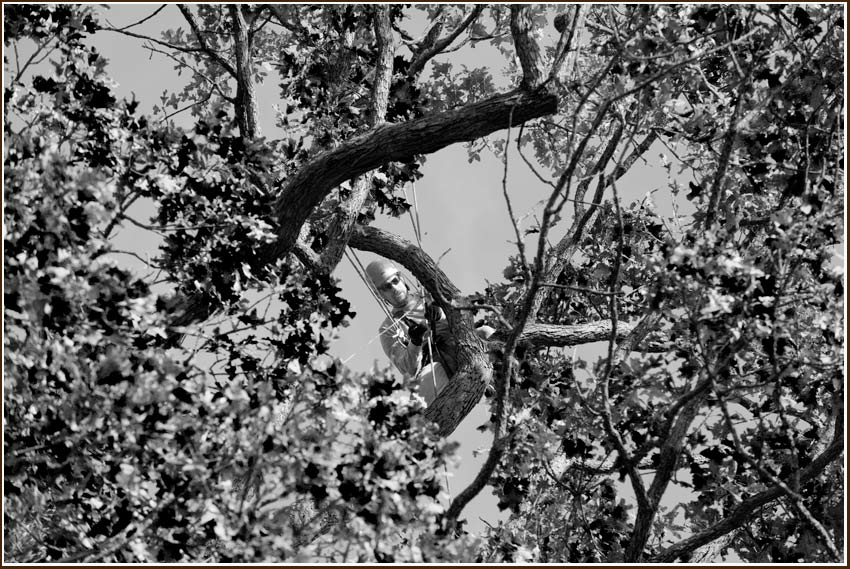
Jason Pierce installs lightening protection in the canopy of an oak in Maplewood Cemetery. Ed Sykes has the story on channel 29.
buttress roots
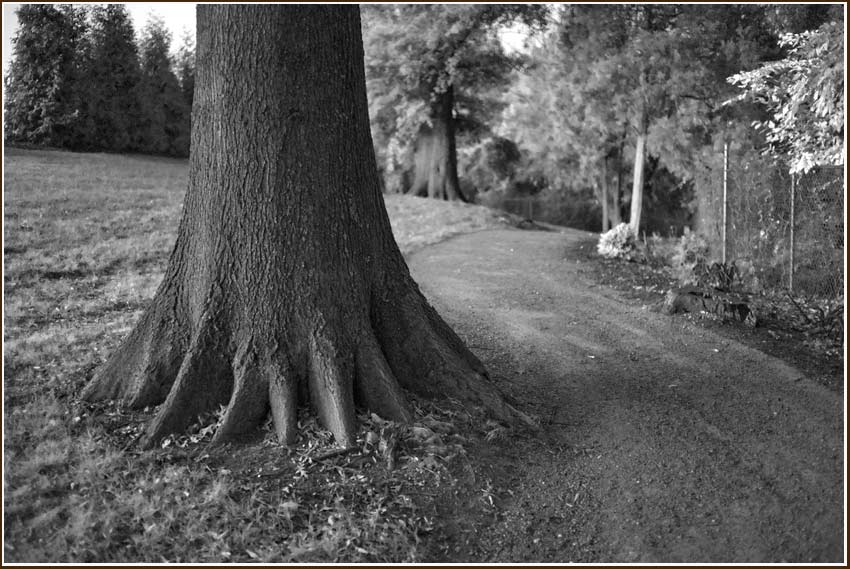
Westminster Canterbury path, Richmond, Virginia
killing frost
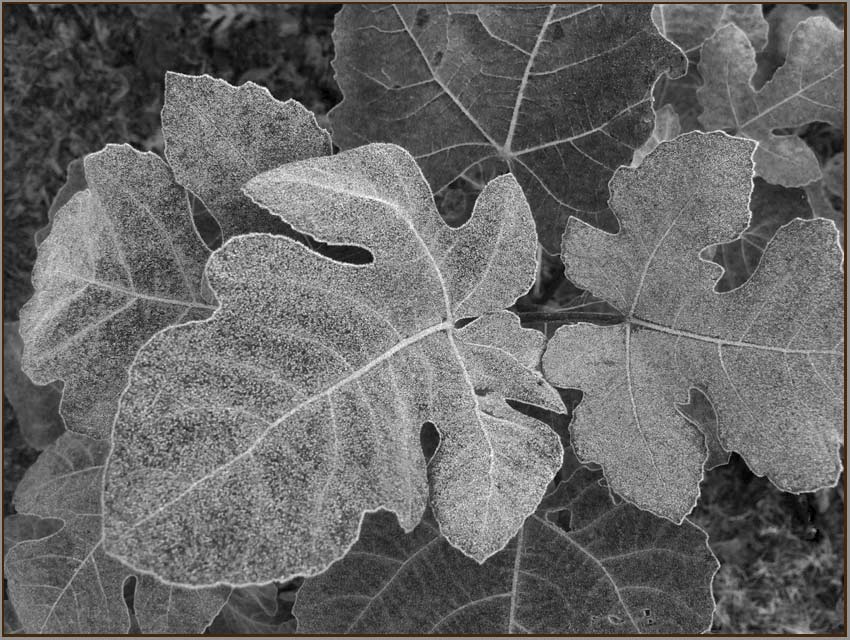
Ficus carica?
ficus?
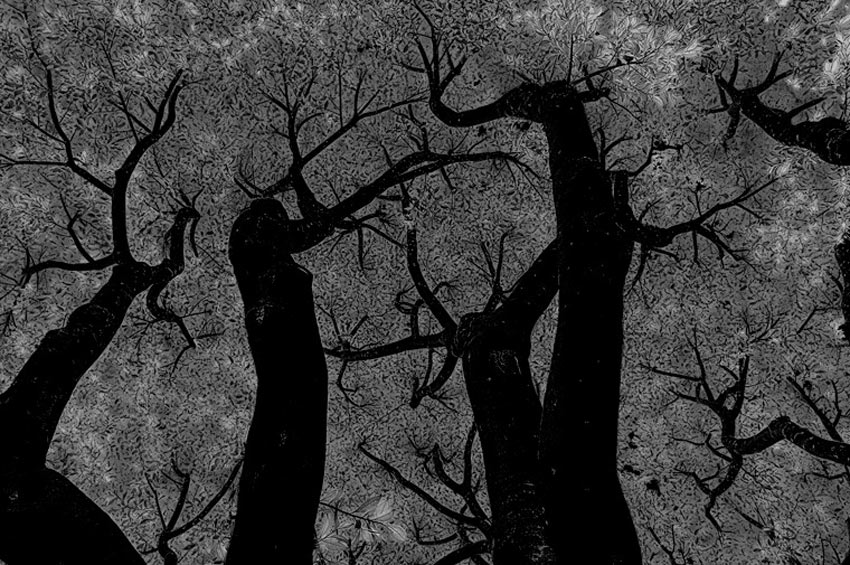
encountered some 6 y.o. digital files hiding in the seat cushions of my laptop. one of them