Martha

Marha Roberts

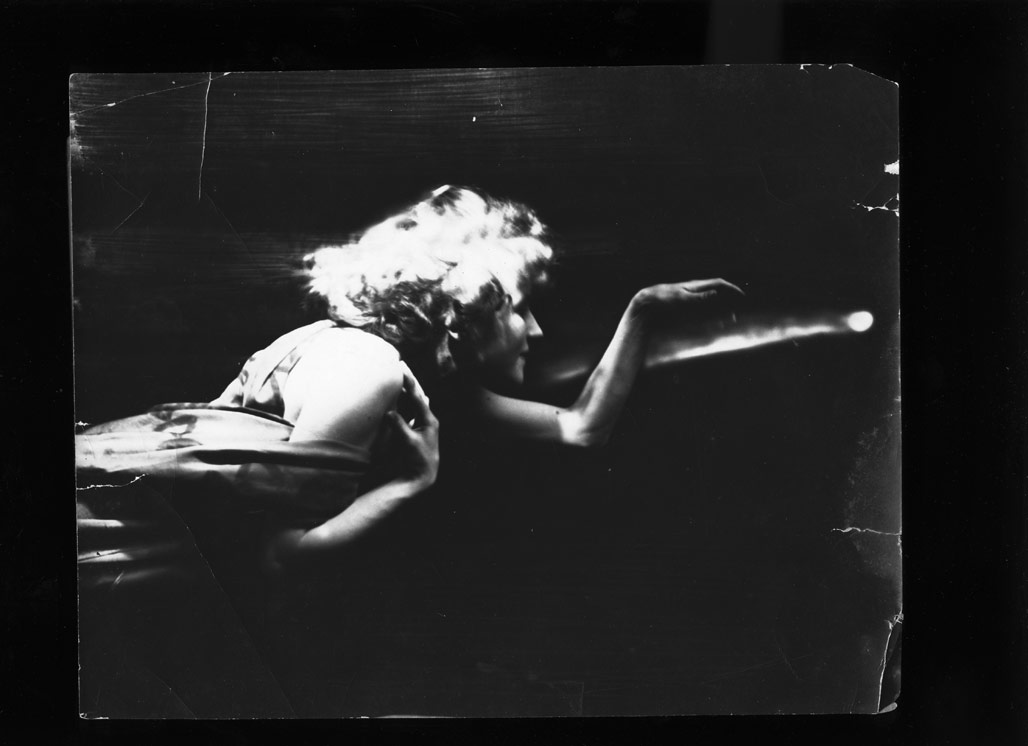
My landlady, Martha Richford Roberts, photo circa 1910. I rented from her for three years in 1970’s, on Foster’s branch, a chestnut log cabin + 100 acres in the Southwestern Mountains, $100/mo. She called the place Roundabout. The rumor is that someone in the Dave Matthews organization owns it now. Dunno. Haven’t returned in 35 years.
Martha danced as a youngster. This photo titled “The Comet”, taken by Count Jean De Strelecki.
Martha wrote poetry and fed many cats. She had a housemate, Martha Mabel Moore.

Moving

thirteen years later
My brother Sam is under the knife today, reconstructive surgery on a busted up foot. Getting old takes a lot of strength and grace.

McPark

kudzu

The golden apple of discord was rolling up and down 11 charette tables at Charlottesville High School last night as competing interests sought to divvy up the remaining acreage of east McIntire Park.

At present the 65 acres are largely inaccessible to any citizen without a golf-bag. Programming ideas abound for the acreage in the land-bank. There were proposals for more asphalt, skate park asphalt, parking lot asphalt and perhaps asphalt transecting the park, parallel to the Meadowcreek Parkway, to connect the new northern and southern Parking lots.

Whatever the outcome, after the stakeholders get the baby divided there will be more public access.

The rectangular field, botanical garden and golf ball interests played nice with each other. Voices were not raised. Indeed, “everyone was heard”. But, I’m hoping before the Recreation Department and the City Council approve a final design they will visit Central Park in NYC for some ideas.

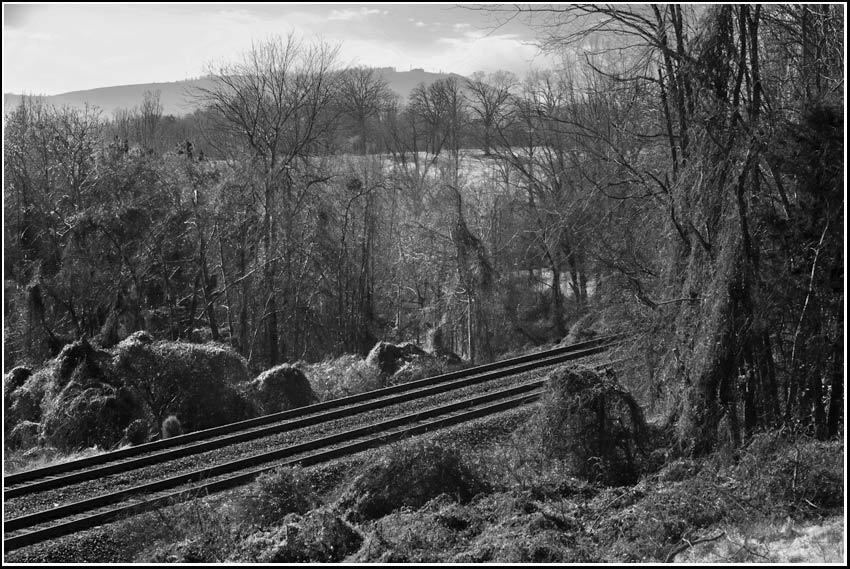
McIntire park was originally larger than its current size. The construction of the bypass ran through the park, with one section becoming what is now Greenleaf Park. Another section, at the southeast end of McIntire Road near the rescue squad, initially became tennis courts and more recently has been converted into a skateboard park. Of the original 150 acres, approximately 130 lie north of the 250 bypass with 55 acres on the west side of the railroad tracks, and 75 acres on the east side.– Parks and Recreation

Interceptor Anastomosis, Contractor Jamboree

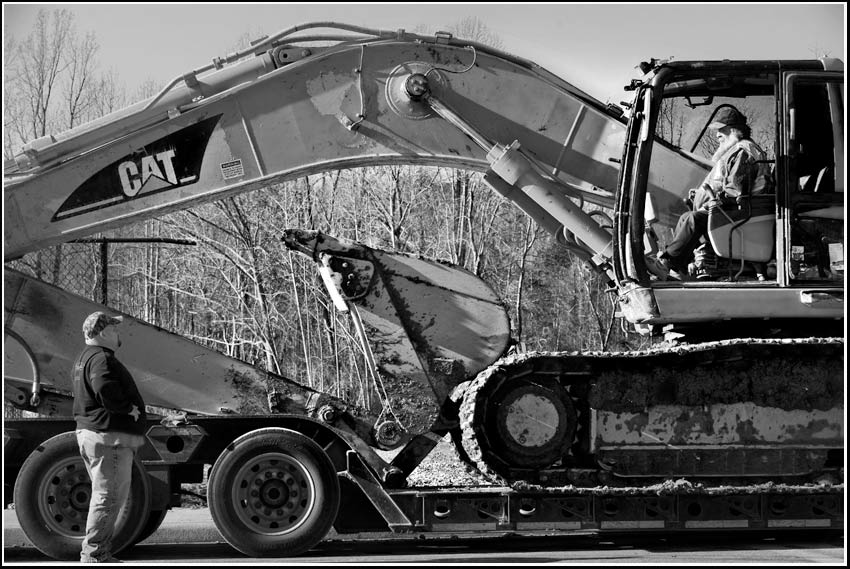
Caterpillar 330C hydraulic excavator
Metra Industries people unload Cat 330C at the intersection of the Meadowcreek Parkway and Melbourne Road.
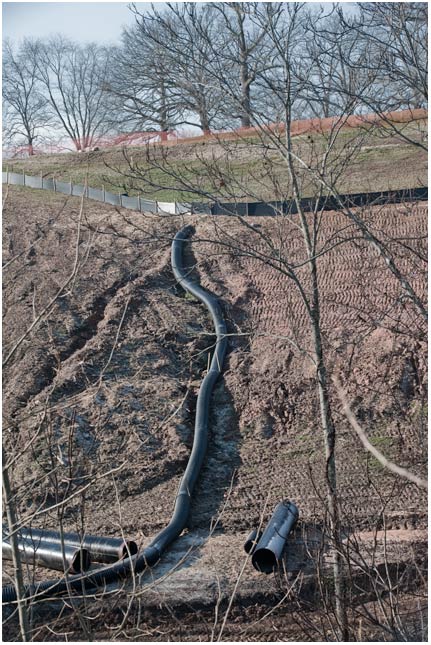
This area is jumping. So much going on. Is the incoming machine bound for the McIntire Road Extended work area, the Meadowcreek Parkway work area, county land, city land? Will it be working on the Meadowcreek Interceptor, or the 7,000 linear foot Schenk’s Branch Interceptor?

Who is the big boss, the high overseer? Did He/She call buyers in Melbourne Park and let them know their view of the Schenk’s Branch valley and McIntire Park was soon to be replaced with acres of scalped earth and finally, a highway?

left bank, Schenk's Branch

stories

baby ID

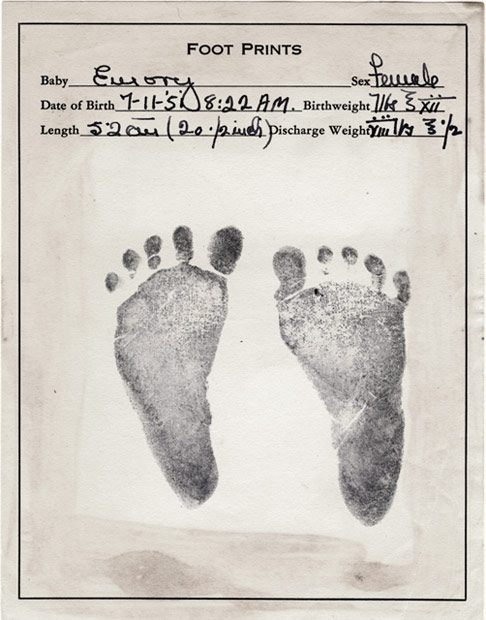
The great grand-daughter and the great-great grand-daughter of the lady who built my house visited last night.
They visit partially for love of place and because they value a tradition where tales are told to succeeding generations of preceding generations.
Who will tell your story?
Who will give a tinker’s dam.

iso Quercus Alba

quercus alba
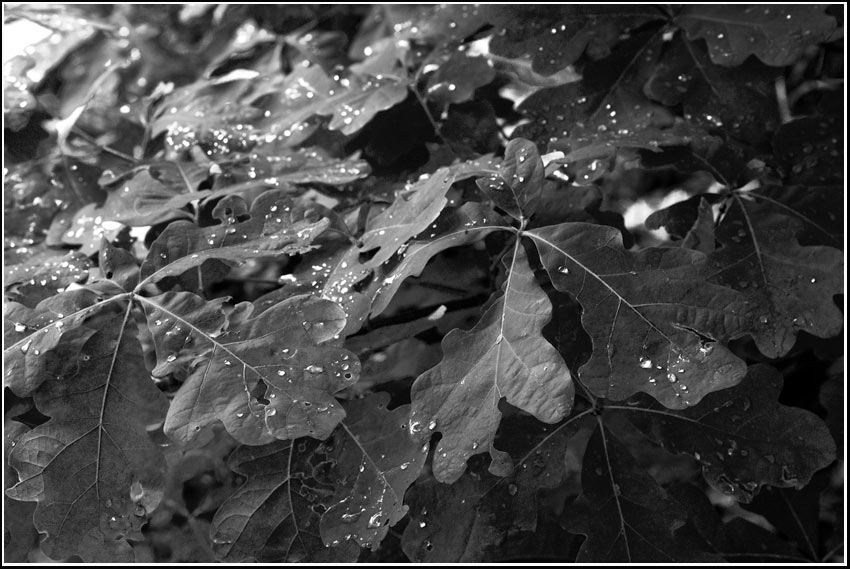
White Oak is a long-lived, slow-growing tree, reaching 60 to 100 feet in height with a spread of 50
to 90 feet in its native bottomland soil (Fig. 1). Old specimens can be massive, growing to be several
hundred years old. Since trunks can be six feet in diameter leave plenty of room for this tree in the
landscape. The trunk flares out at the base lifting sidewalks and curbing if planted in tree lawns less
than eight feet wide. The red fall color is fairly reliable year to year and is outstanding among the
Oaks in USDA hardiness zones 8a and colder areas. Brown leaves may be held on the tree into the early
part of the winter.–Gilman and Watson

According to the USDA’s Woody Plant Seed Manual, Quercus is the largest genus of trees
native to the United States (Little 1979) and was designated as the “national tree” by the National Arbor Day Foundation in 2004.
White oaks typically don’t bear acorns until their twentieth year. The large seedcrop years are spaced out, every four to ten years.
Nurseries don’t do much of a job propagating these.
This time last year I had twenty of these juveniles in pots. This year I haven’t been able to find a single acorn. I’ve checked in four counties. Bicycled to neighborhood in CHO looking for acorns where they are typically plentiful. No joy.

Smallest acorn crop in 20 years. New York Times has the story!