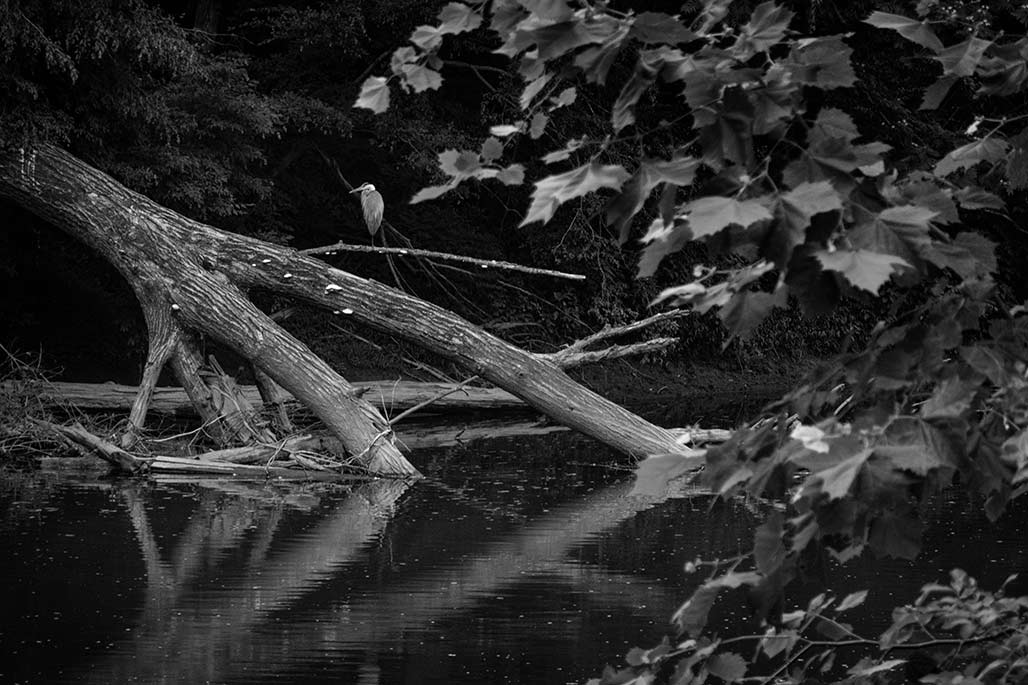
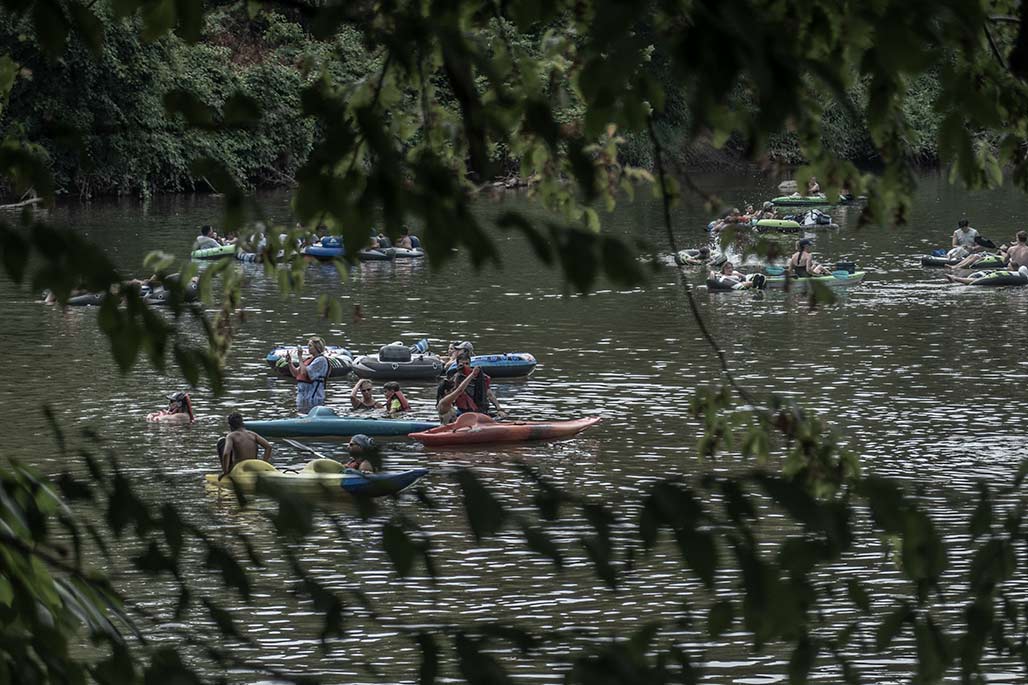
Some “studying” has been done but significant steps have not been taken.
photography from the Chesapeake Bay watershed by Bill Emory
Some “studying” has been done but significant steps have not been taken.

These are only a couple of behaviors that birds use. When it’s hot, some species will also resort to gular fluttering. The bird will open its mouth and “flutter” its neck muscles, promoting heat loss (think of it as the avian version of panting).
“If you think about a dog panting, their tongue isn’t only allowing evaporation, but is losing a lot of body fluid,” says Erickson. “Birds are much more efficient about water and water loss.”
Even so, birds still need to replenish fluids on a hot day. Installing a birdbath can provide feathered friends with a place to cool their heels in the summer, and get a drink. The water level shouldn’t be too high—only about an inch deep—and the bottom of the birdbath shouldn’t be too slippery. Replenish the water once every two or three days. Otherwise, the stagnant water can play host to algae and mosquito larvae, which can carry the West Nile virus as adults.
Almost as important as water is shade. Temperatures can be far cooler under trees or bushes, and birds often seek out these microclimates. Since a bird’s body temperature is much higher than that of humans—a golden crowned kinglet was once found to have a body temperature of 111 degrees Fahrenheit—it’s doubly important for them to cool off in a hurry. Proteins that shuttle vital information to a bird’s organs begin to break apart at temperatures that are only slightly higher.–audubon.org

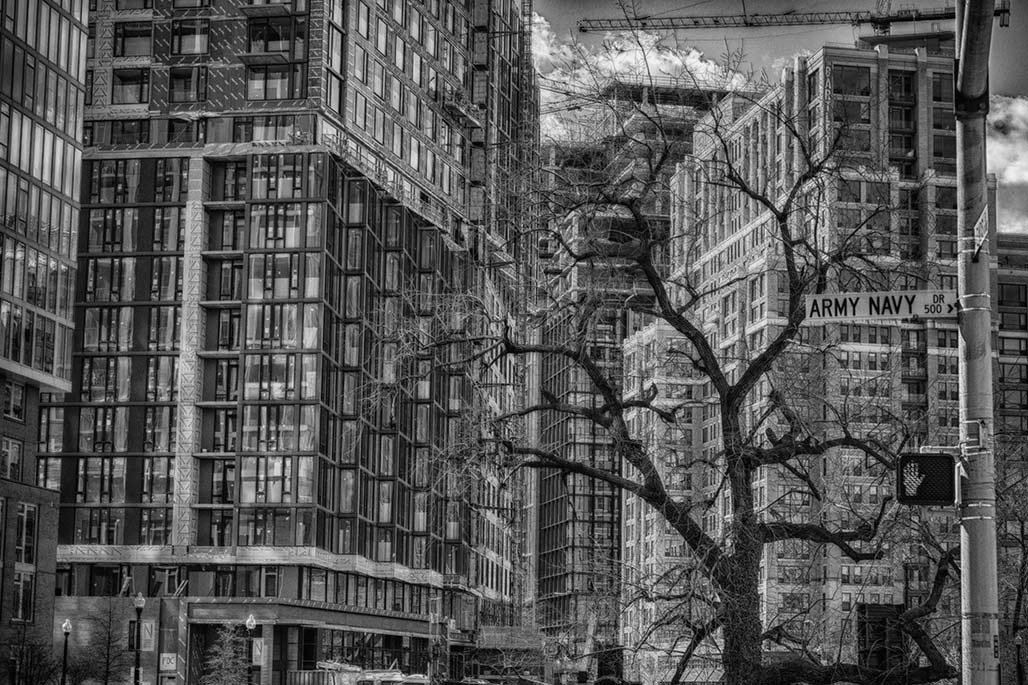
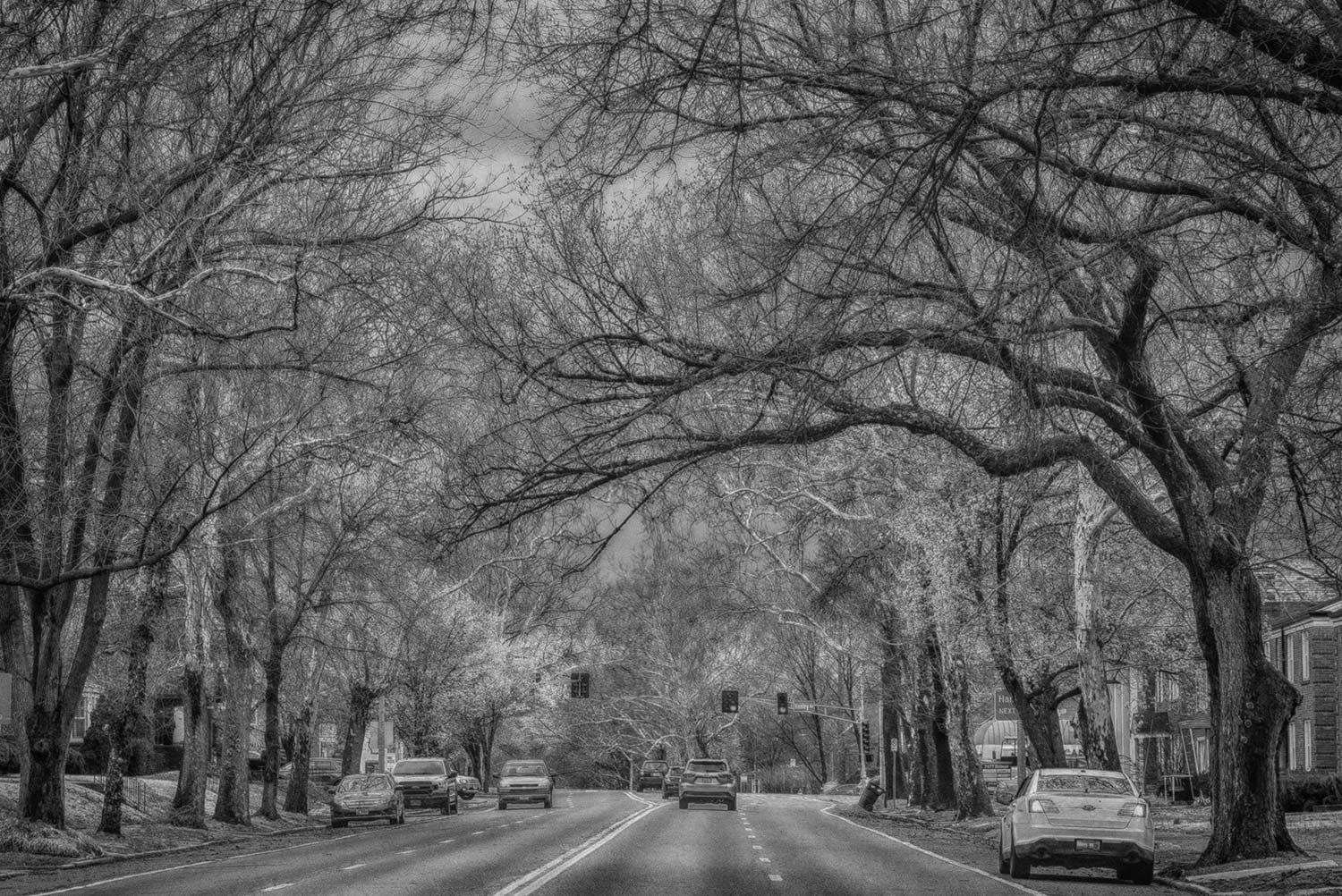
Read Gregory McPherson’s article about urban trees.
In 1975 Charlottesville had a Street Tree Planting plan, never happened.
2014, the trees on Garret started to fall.
Why Trees Matter by Jim Robbins. 2013
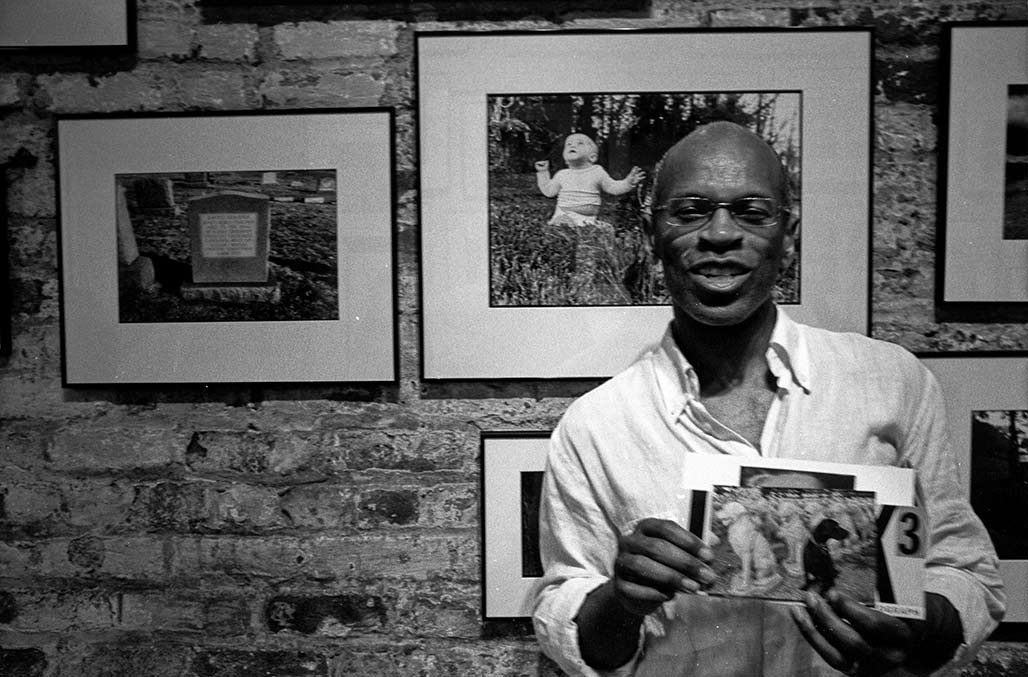
Celebrated for his experience merging architecture, design and politics through multiple public, private and elected positions, Cox is responsible for leading DPD’s economic development, planning and zoning functions while fostering community-improvement initiatives throughout the city. His primary focus is under-invested neighborhoods on the South and West sides.
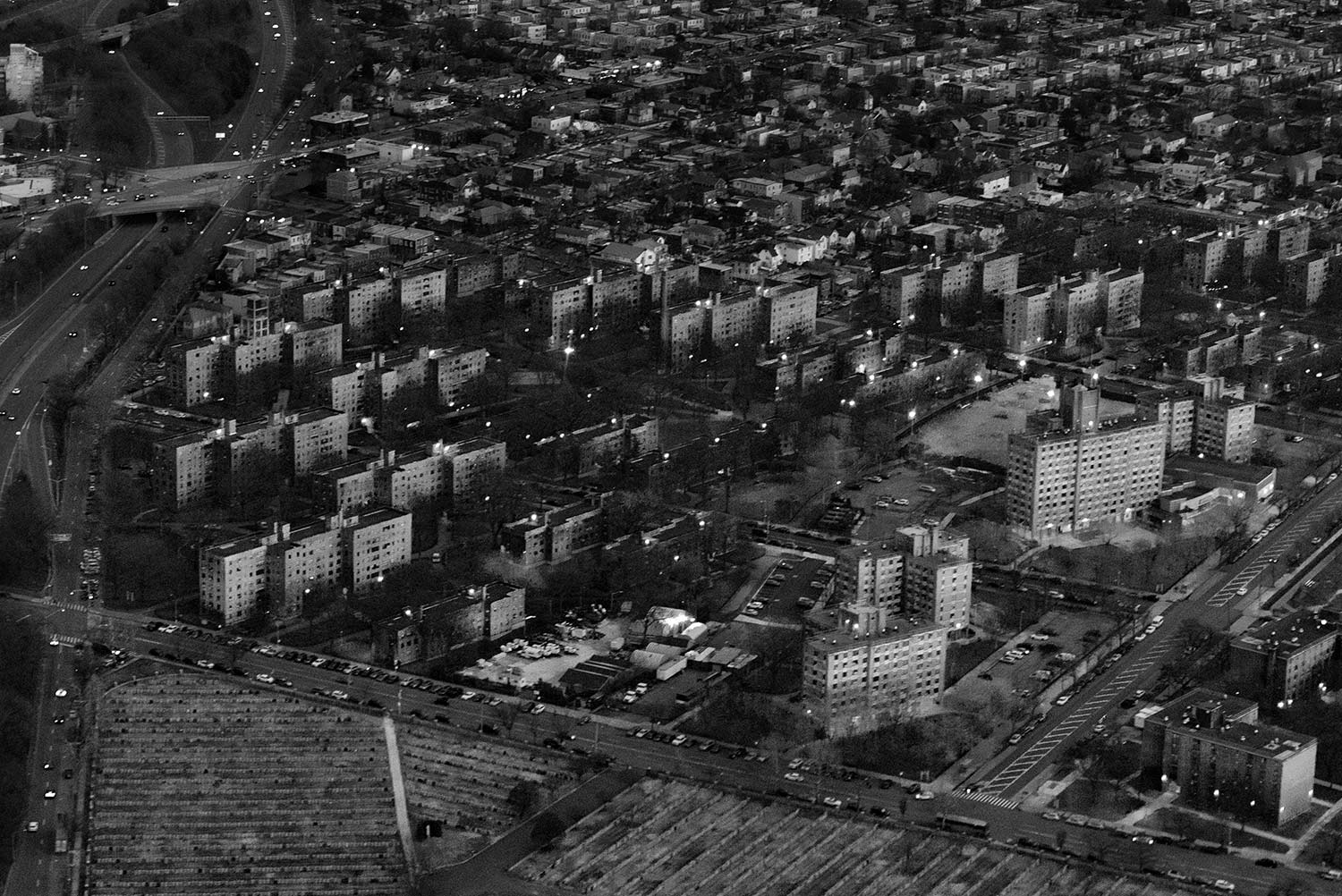
• Residents’ voices should be heard for all major development decisions involving new policies and projects at the local level.
• Planning efforts should ensure weaker housing markets should be equitably incorporated in the fabric of stronger markets without causing displacement or gentrification.
• Public safety is essential around the buildings in which people live, requiring the cooperation of social service agencies, schools, youth-oriented agencies and other groups, in addition to traditional law enforcement agencies.
• Policy improvements that aim to ensure neighborhood affordability should include homeownership programs, repair programs, rental assistance programs, and related education efforts.
• Housing efforts should not focus exclusively on units and costs, but also local amenities that overlap with We Will’s other pillars.–We Will Chicago