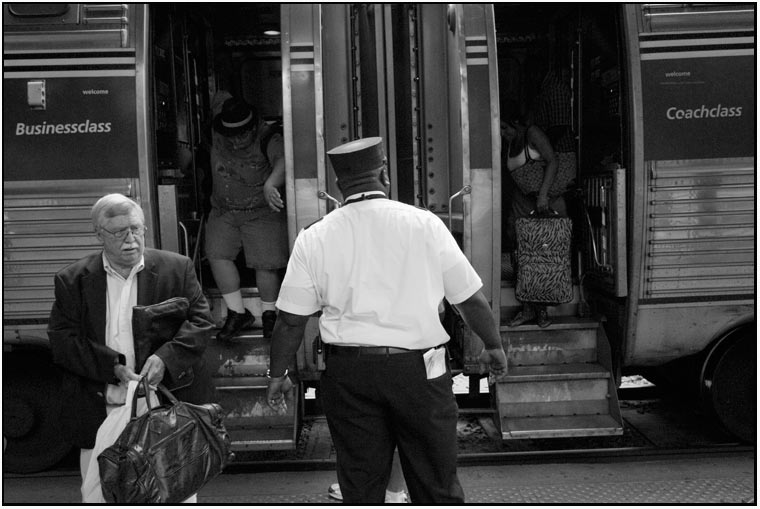
I spent Saturday on a train traveling from Providence to Charlottesville.
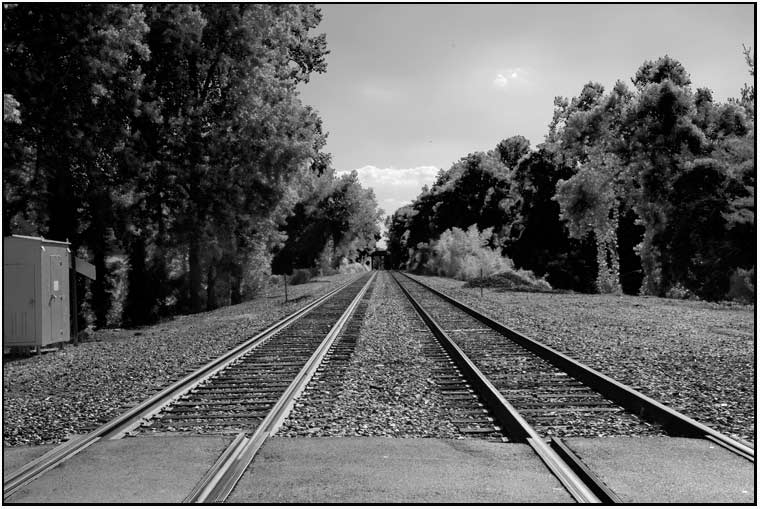
Sunday morning and a portion of the afternoon photographed pedestrian provisions at the north-south railroad crossings in Charlottesville, Virginia. (Map)
photography from the Chesapeake Bay watershed by Bill Emory
I spent Saturday on a train traveling from Providence to Charlottesville.
Sunday morning and a portion of the afternoon photographed pedestrian provisions at the north-south railroad crossings in Charlottesville, Virginia. (Map)

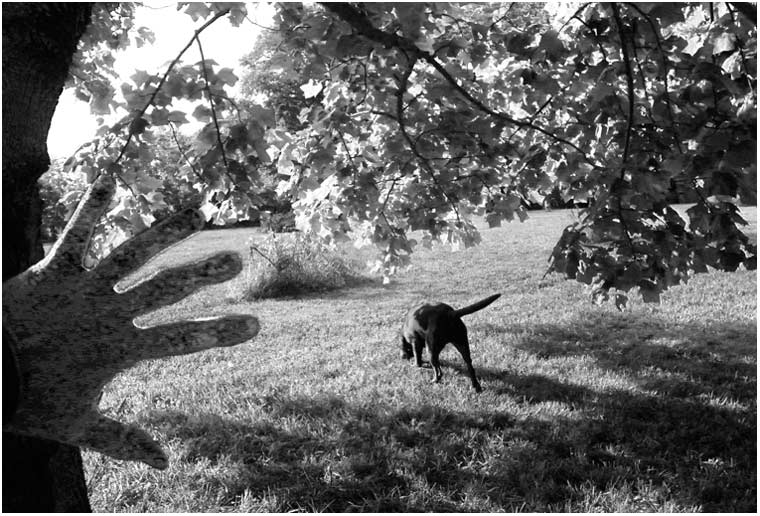
he speaks for the trees, as the trees have no tongues.
I didn’t know about this book by Theodor Seuss Geisel, aka, Dr. Seuss. An environmental book for young people. Buy from Amazon, send to your politicians.
“Our default mode in looking at the world is: ‘How can we make money from it?’ And so that was the lure of the farmers who helped create the conditions that led to the Dust Bowl. It’s true of BP,” said Adam Rome, a professor at Pennsylvania State University. “If you think that way, you’re going to be willfully blind to the costs that you don’t pay,” he said, until there’s a disaster. —WaPo
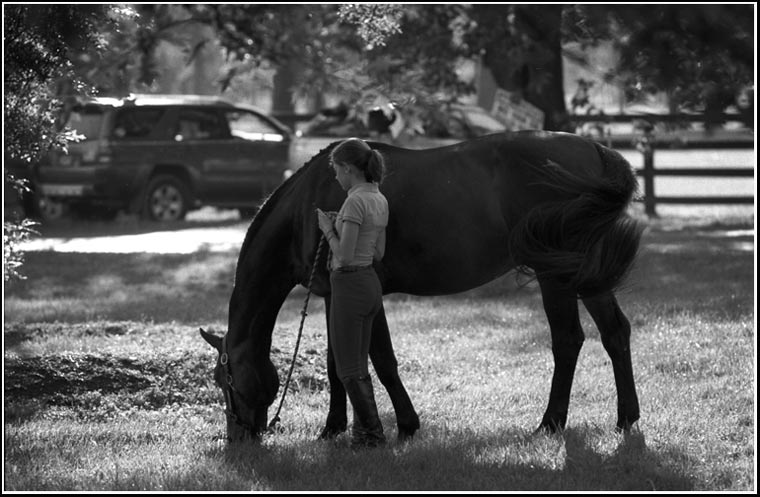
The Upperville Colt and Horse Show dates back to 1853.
And God said, Let us make man in our image, after our likeness: and let them have dominion over the fish
of the sea, and over the fowl of the air, and over the cattle, and over all the earth, and over every creeping thing that
creepeth upon the earth.–Genesis 1:26
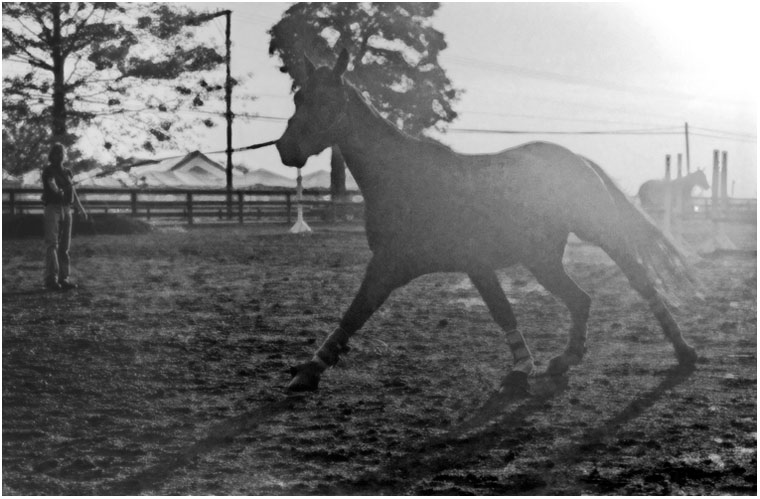
A horse is a thing that creepeth? Nope. Born to run, without a rider. That’s where the longe comes into play.
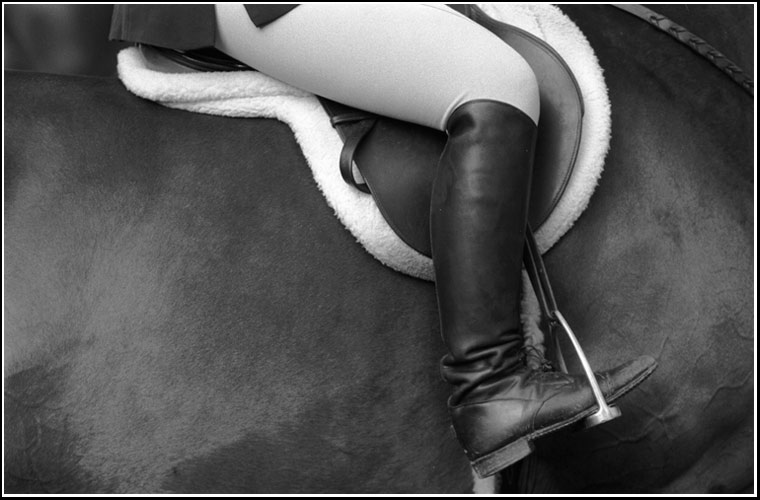
Points of attachment are points of contact. If the horse doesn’t want you, makes for trouble.
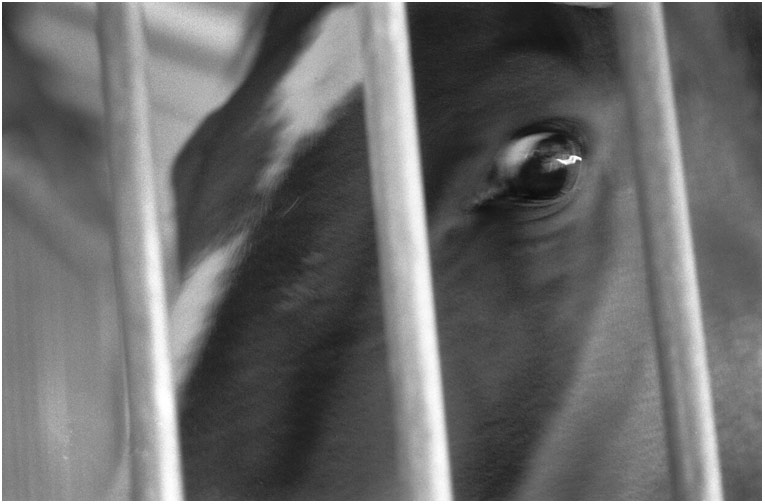
Horses’ anatomy enables them to make use of speed to escape predators and they have a well-developed sense of balance and a strong fight-or-flight instinct. Related to this need to flee from predators in the wild is an unusual trait: horses are able to sleep both standing up and lying down.–Wikipedia
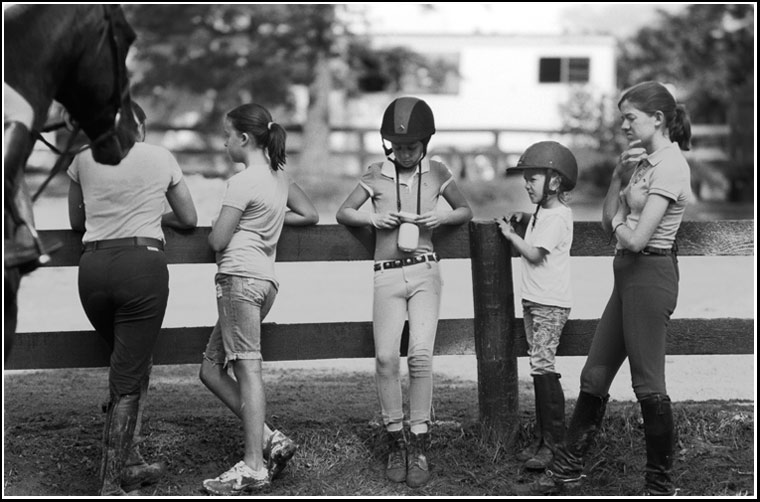
Someone asked, how is the rider fixed to the horse? Clipped in? Multiple points of attachment? Is there an eject button?
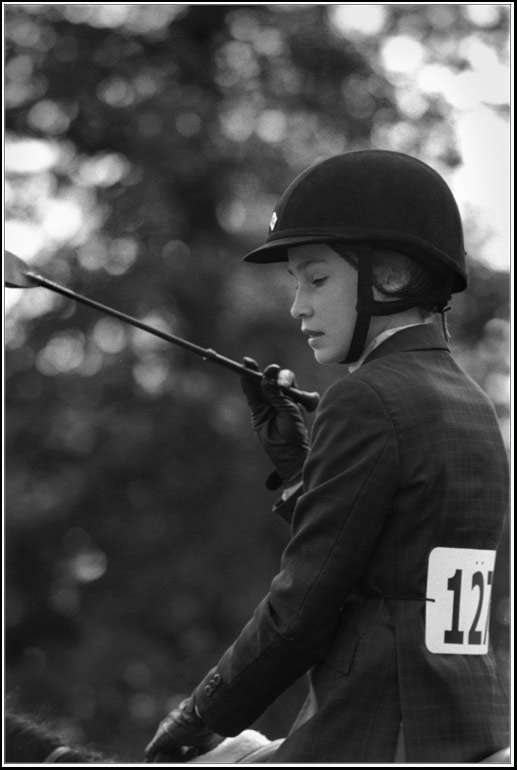
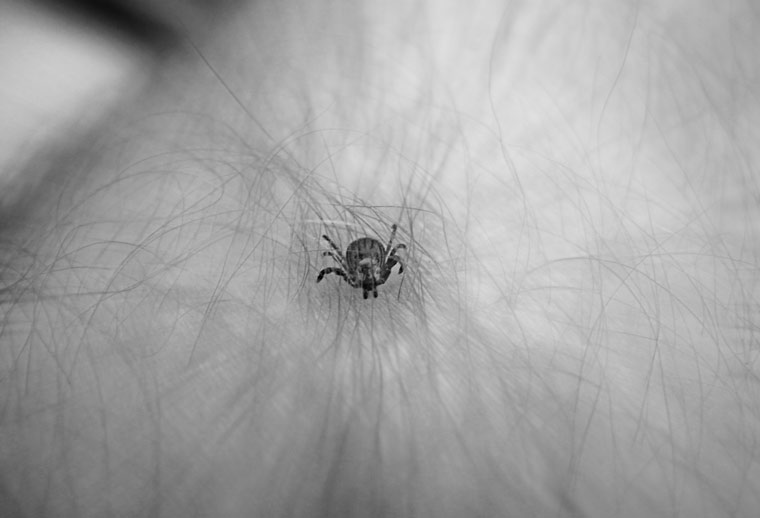
A tick will attach itself to its host by inserting its chelicerae (cutting mandibles) and hypostome (feeding tube) into the skin. The hypostome is covered with recurved teeth and serves as a hammer.Wikipedia on ticks…