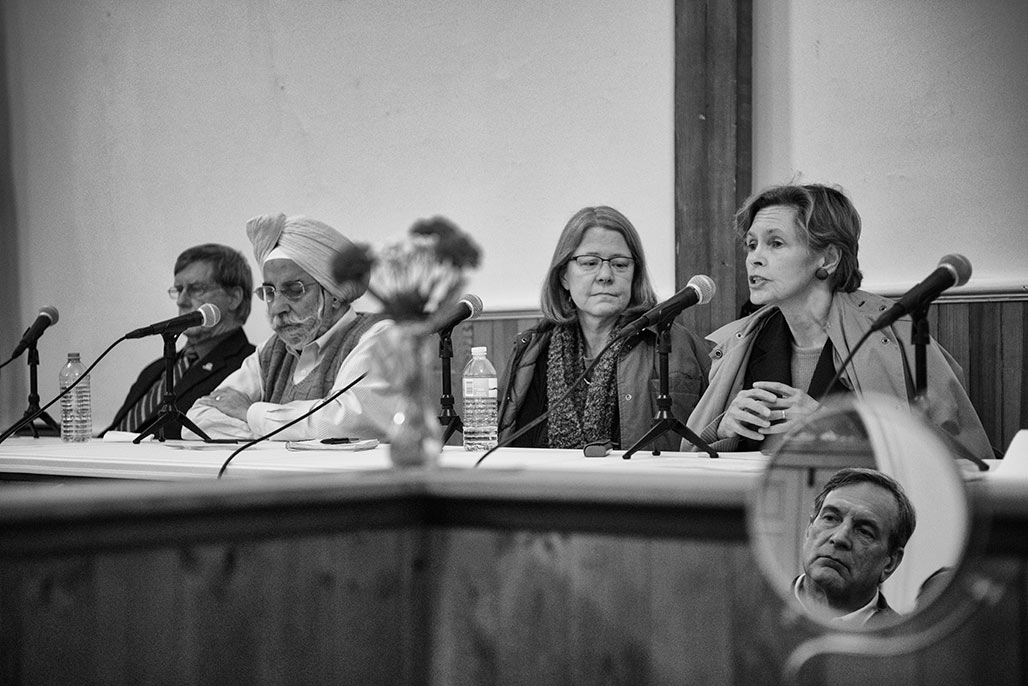
Our Town
photography from the Chesapeake Bay watershed by Bill Emory

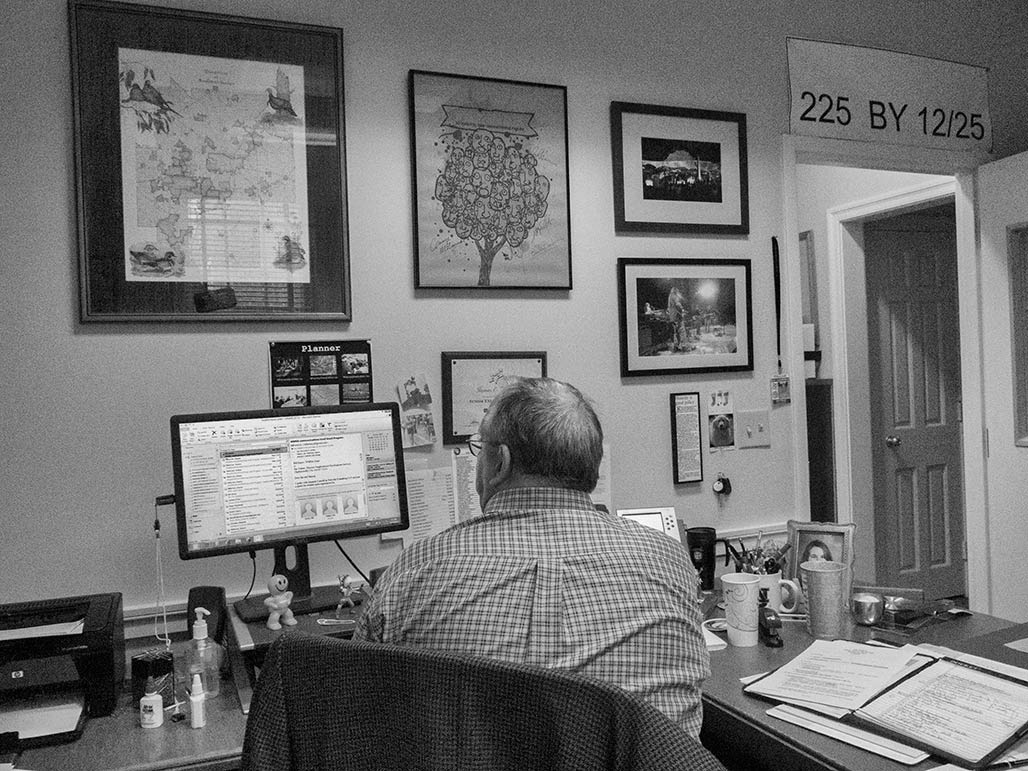
Jim has been in charge of the department that oversees the fate of neighborhoods so we’ve had much contact over the years.
His is a critically important, tough position which he has handled with grace and good humor. I will miss him.
Jim’s last official words to me were encouraging, about getting long standing zoning issues rectified. That work now falls to his successor.
Following Mr. Tolbert’s departure I hope we can find an owner’s manual for the City.
The city, sixth-largest in the state with a 2010 population of 93,853, wanted to separate itself from what it saw
as wasteful government spending in surrounding communities. The city benefits greatly, though, from the number of Fortune 500
companies headquartered there, boasting an extremely high per capita income, with the median family household income,
according to a 2008 census estimate, approximated at $129,810, and the average family income $169,815.–Huffington Post
Sandy Springs, Mr.Tolbert’s new town, has a considerably different socio-economic profile and governmental services structure than Charlottesville.
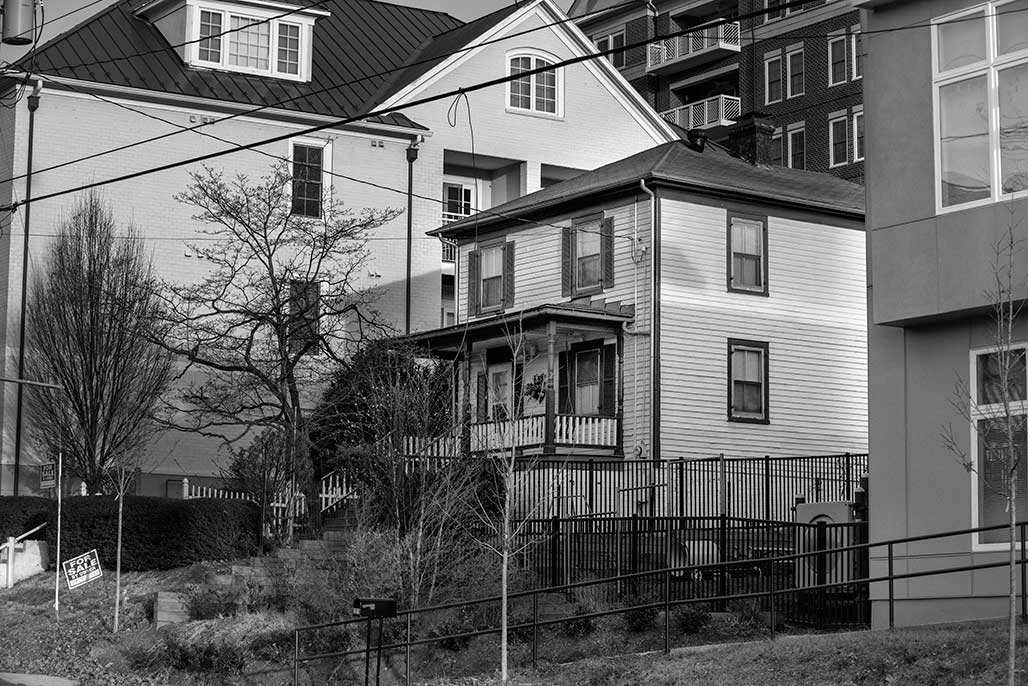
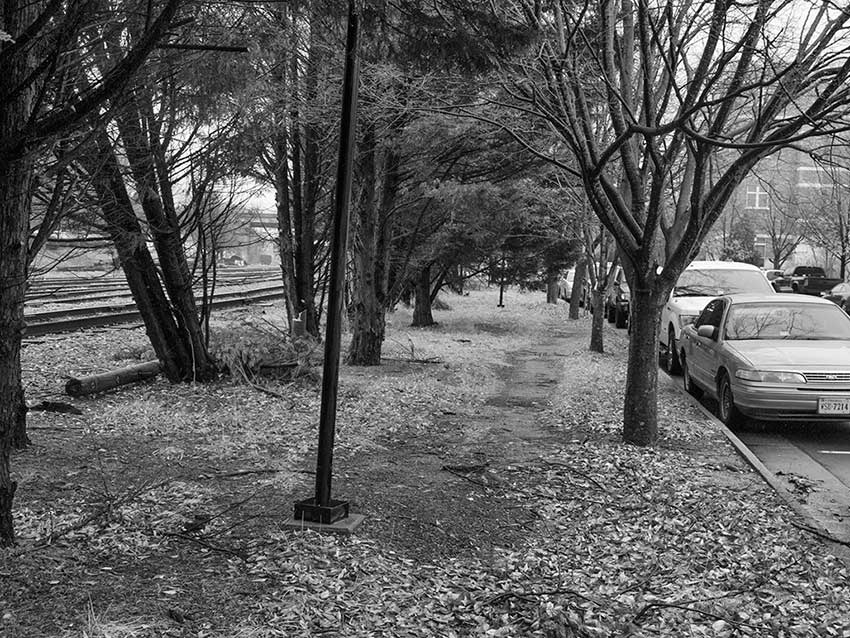
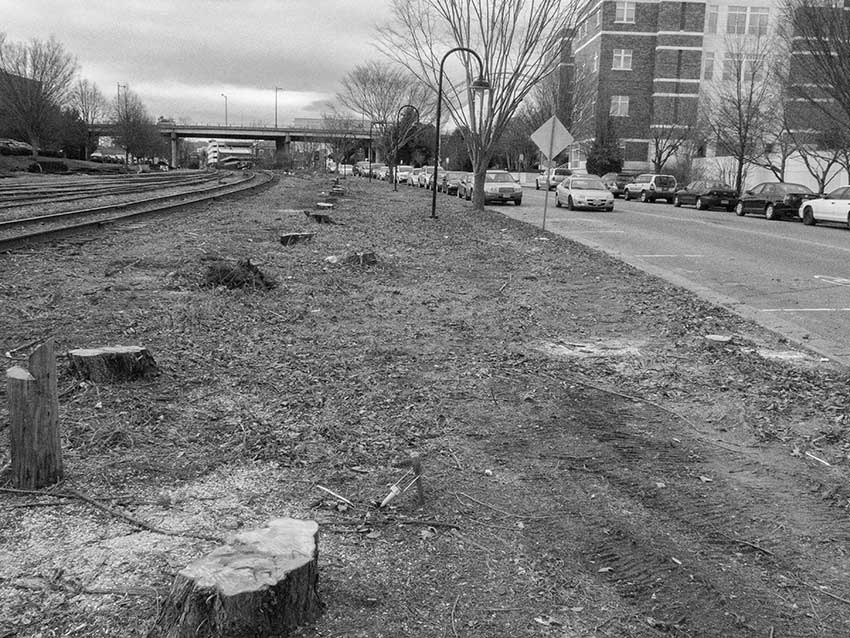
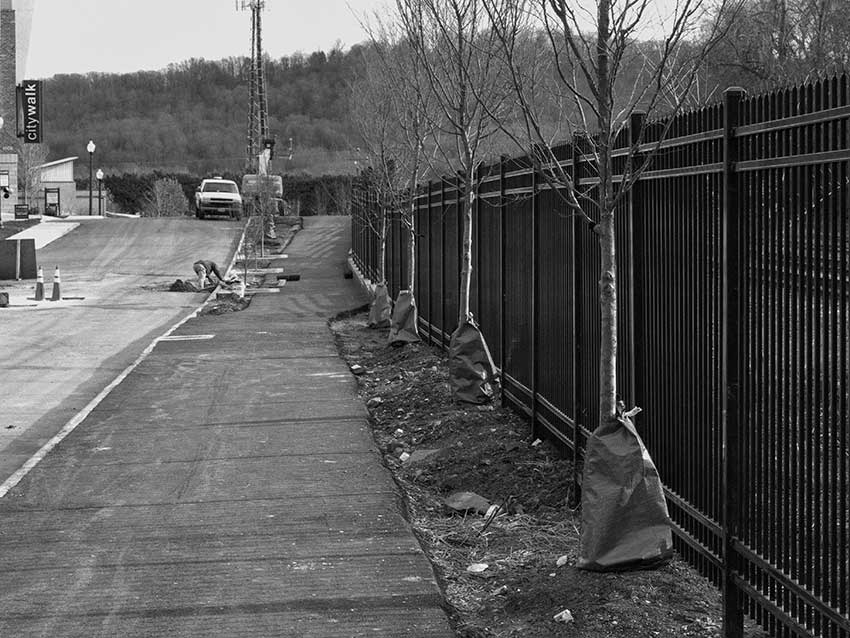
How best to handle the commons, the City owned right of way throughout town, 156 miles of street?
Tomorrow, the City is holding a community engagement event for the “Streets That Work” project that will address this and other questions related to streets.
Be there!
Streets that Work Public Input Meeting – Saturday December 13, 2014
City staff invites the public to be a part of the process and come out to its Streets that Work Public Input Meeting. Please join us on Saturday, December 13 from 8:00 am – 11:30 am at the Carver Recreation Center Gymnasium to share your ideas and join the conversation.
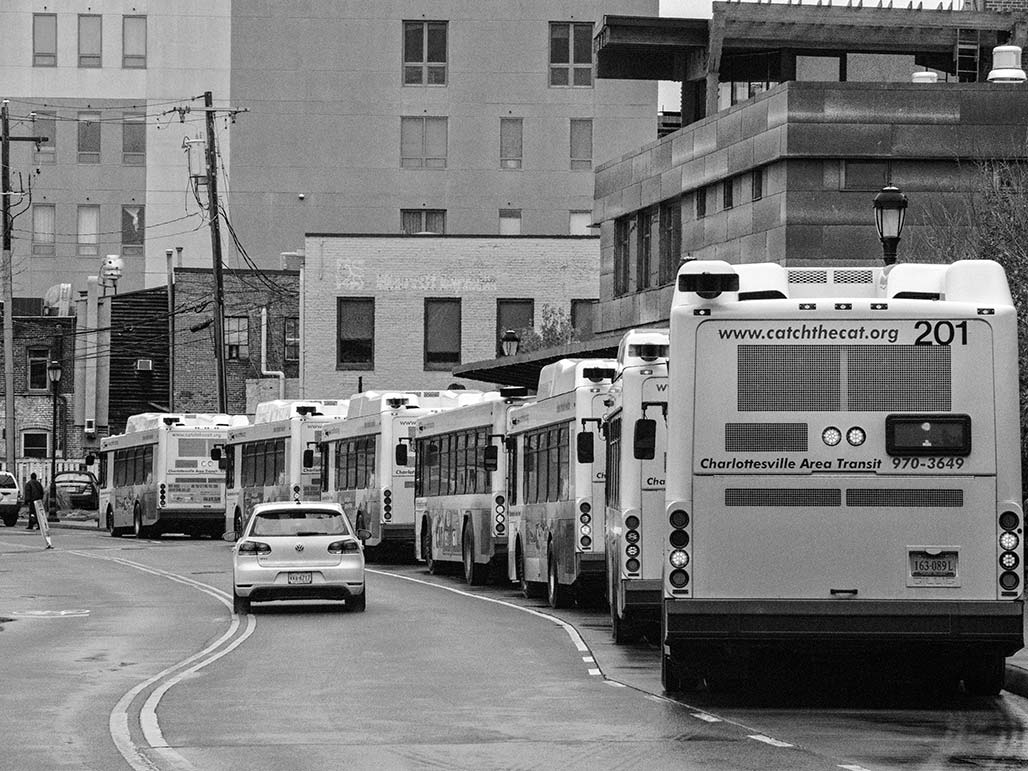
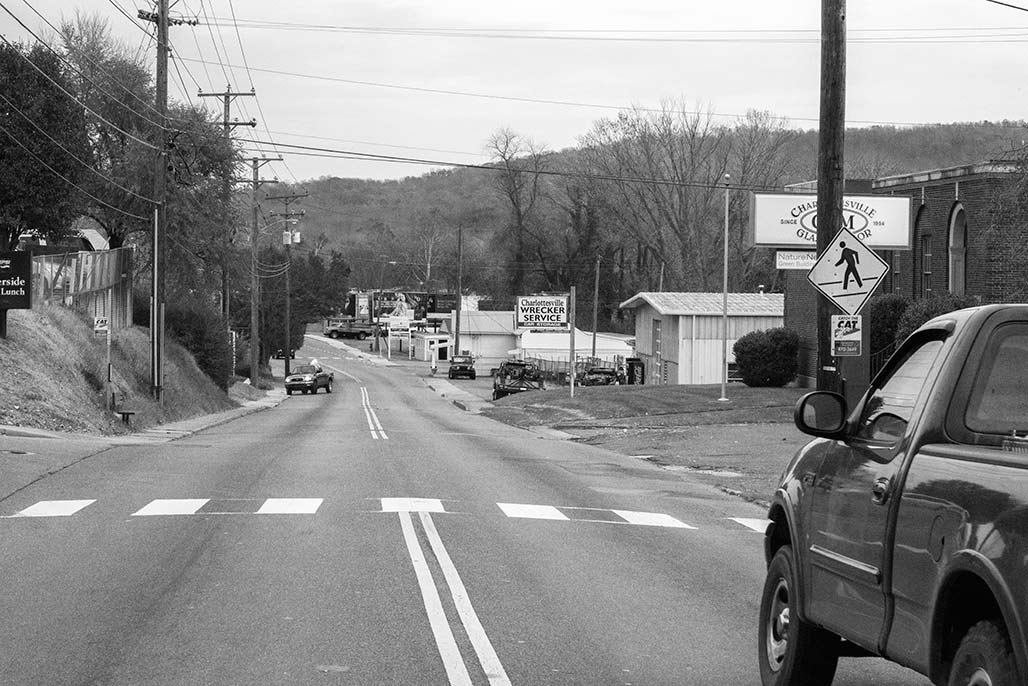
In 1975, under the leadership of Charlottesville Parks and Recreation director, Gene German,
George Briggs and Clare Byrd developed “Guidelines For A Street Tree Planting Master Program
For Charlottesville Virginia”.
WHICH STREETS ARE IMPORTANT TO THE MASTERPLAN?
The study chose to look first at the public sector of town. In order to determine which streets
would be the most important ones to include in the planting masterplan in the sense that they are
heavily used, and serve to connect vital parts of the town together.
All points of entry into the City are noted since thy are heavily traveled and are also
important in terms of the first impressions which they give.If these streets were well-planted
with canopy trees, there would also be more shade, and less noise, glare, dust and
pollution for people to have to deal with everyday.
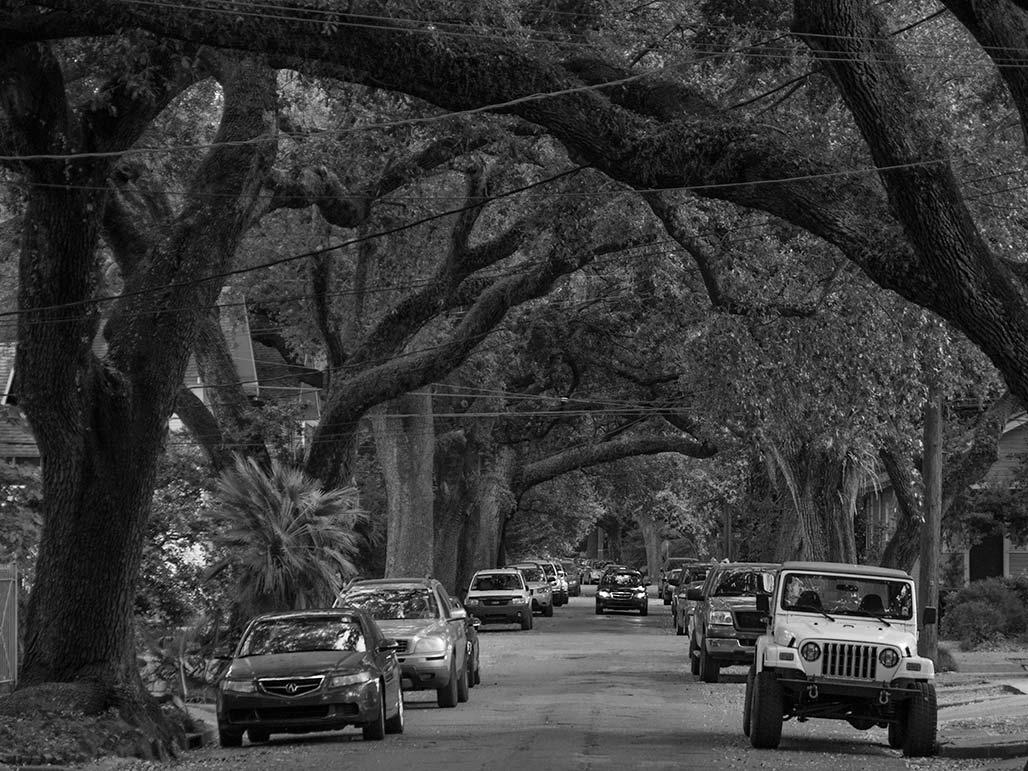
In 1975, under the leadership of Charlottesville Parks and Recreation director, Gene German,
George Briggs and Clare Byrd developed “Guidelines For A Street Tree Planting Master Program For Charlottesville Virginia”.
“Our peace of mind, our emotions, our spirit-
even our souls– are conditioned by what our eyes see.
There is a feeling abroad in this land today that ugliness
has been allowed too long, that it is time to say
‘Enough,’ and to act.”- Mrs. Lyndon Johnson
Opening remarks to a conference on Natural
Beauty called by President Johnson in the White House
(from the preamble to the plan,page vii)
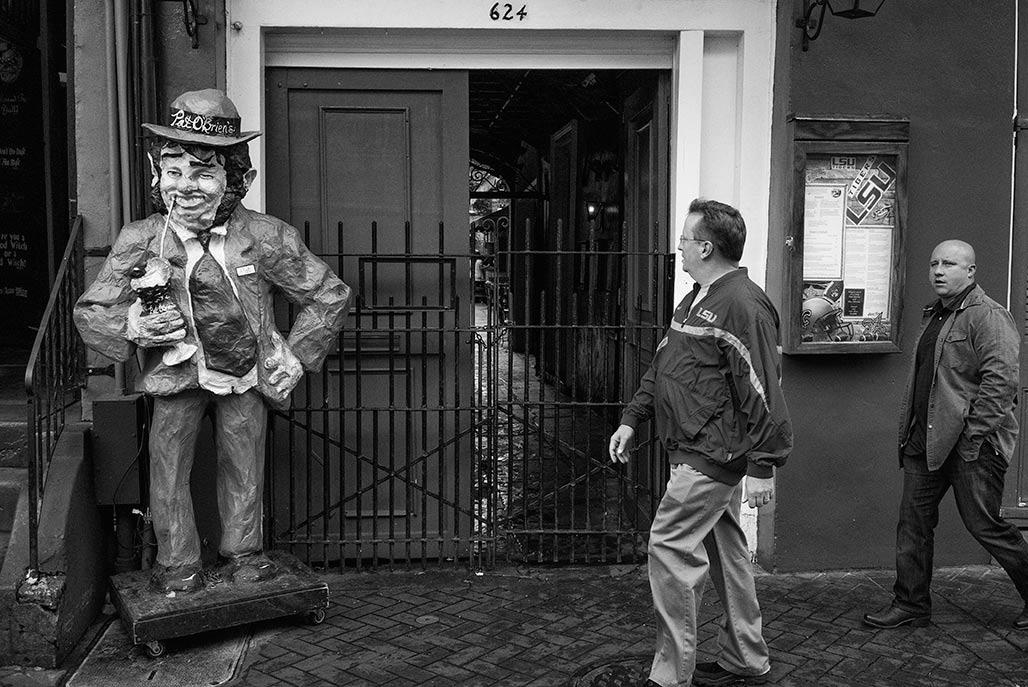
The paved right of way of Bourbon Street is 21 feet wide.
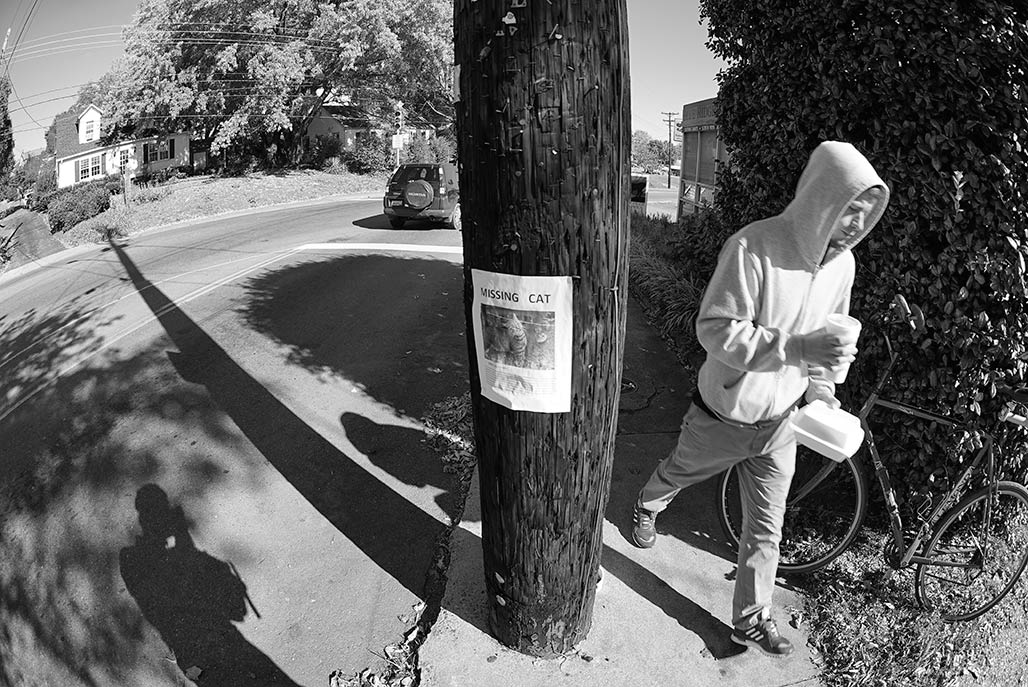
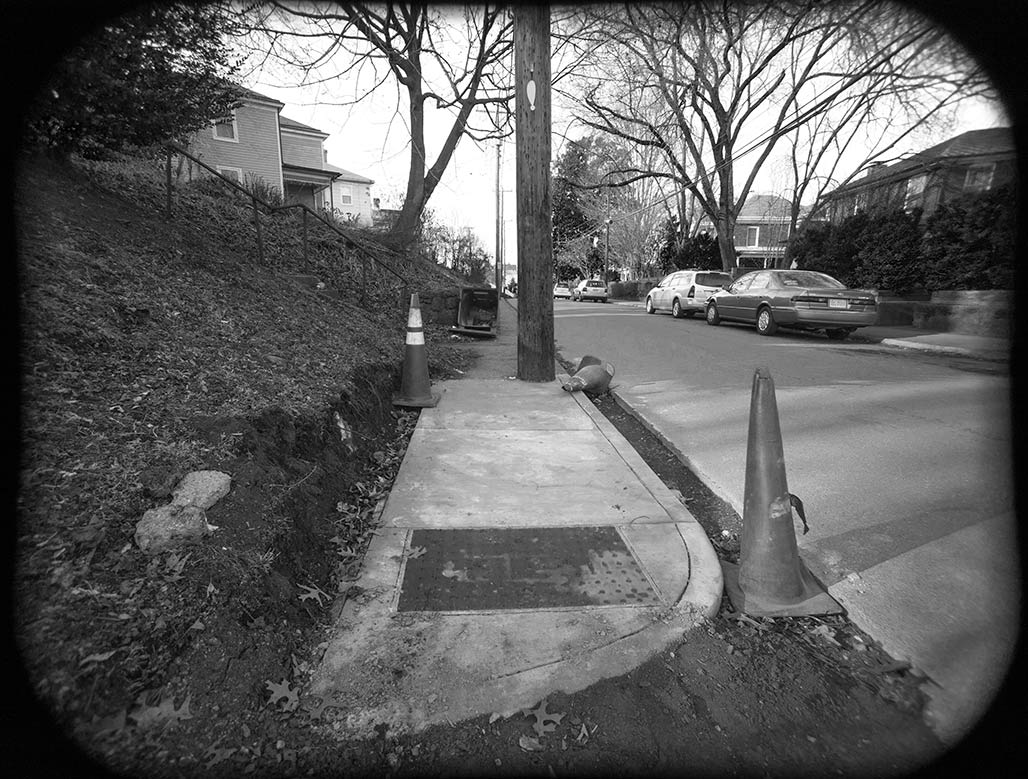
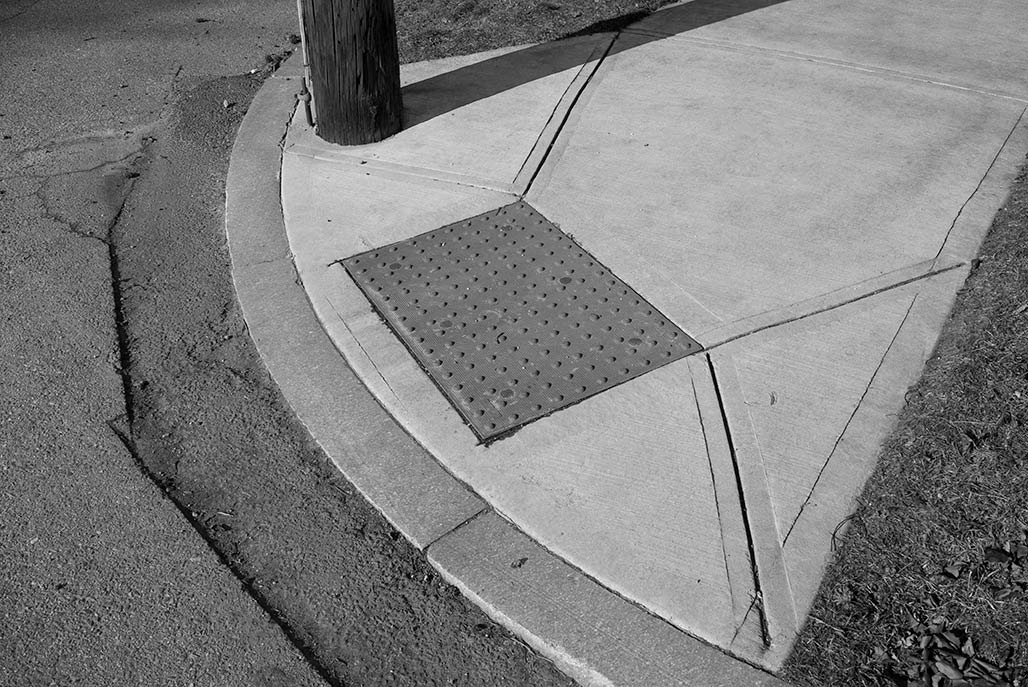
The sidewalk on the east side of Meade Avenue is a five foot sidewalk but there are 19 obstructions to users of
that sidewalk between Meade Park and Meade Avenue’s intersection with High Street.
The sidewalk’s minimum width is 29”. The average obstructed width is 39”.