seven
photography from the Chesapeake Bay watershed by Bill Emory
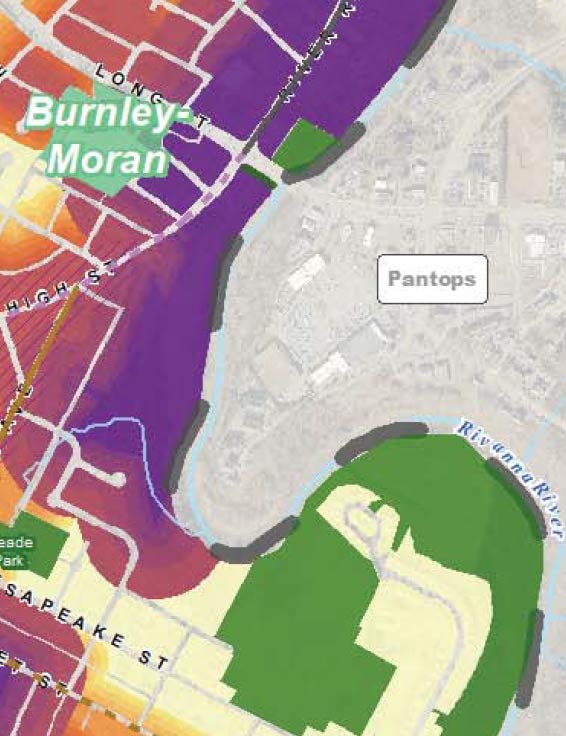
High Intensity
These (the purple shaded areas) are the most intense, urban areas within the City and allow for the highest density developments.
To increase access to housing for all, the City should incentivize on-site affordable dwelling units. In addition, the City should incentivize development to incorporate civic space, such as public meeting space, public parking, or other public needs. Buildings, rather than developments, should provide reasonably consistent street level uses along public rights of way. Mixed use development should be encouraged throughout the site, while passive uses that do not create activity at the street level should be discouraged. These areas should have intense activities that attract large employment centers. New developments should be contextually sensitive to the existing street grid pattern and create buildings that are close together. Areas just inside the City limits should be transit hubs where parking should be integrated into a larger parking plan as part of a regional parking strategy.
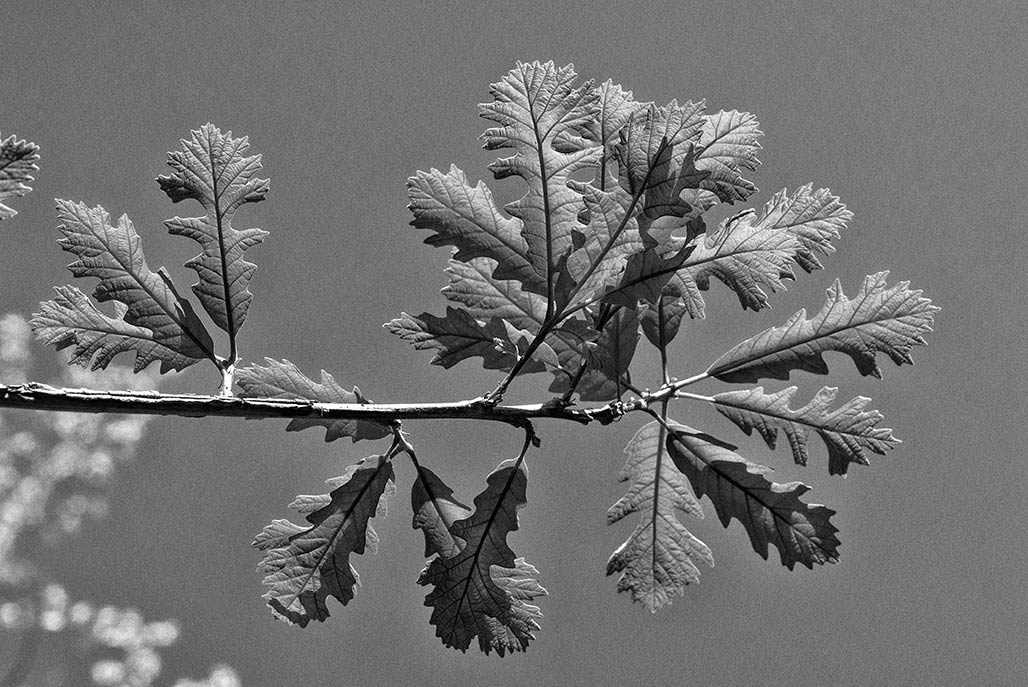
Big acorns on the downtown mall.
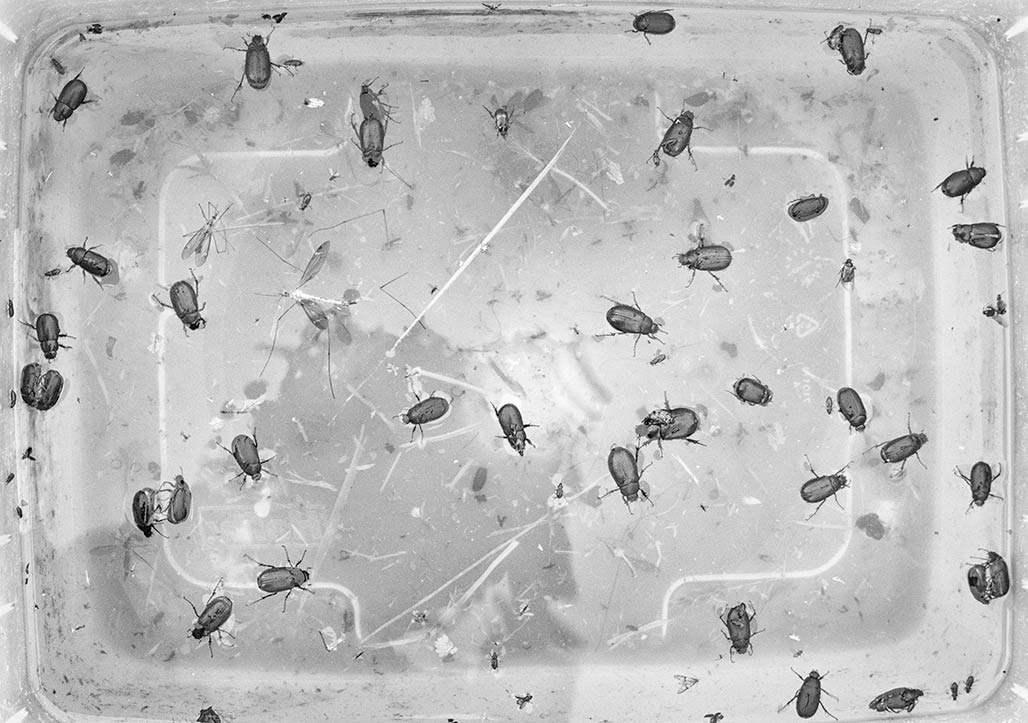
A native of Japan and China, where it is not an important pest, the
Asiatic garden beetle (Maladera castanea) was first discovered in
the United States in New Jersey in 1922. Asiatic garden beetle grubs
feed off the roots of grasses and weeds in early spring. Adult beetles
attack many different vegetable, herb, fruit, and ornamental plants,
feeding mostly at night where they strip, shred, and notch the foliage
of their hosts. Asiatic garden beetle damage is especially prevalent
around the leaf margins.–University of New Hampshire
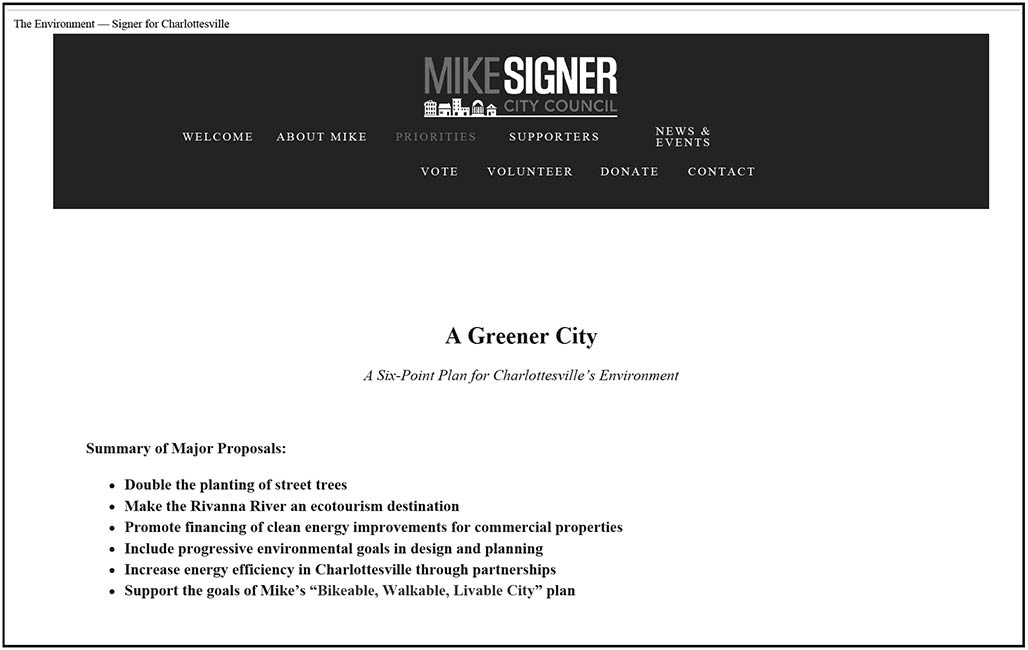
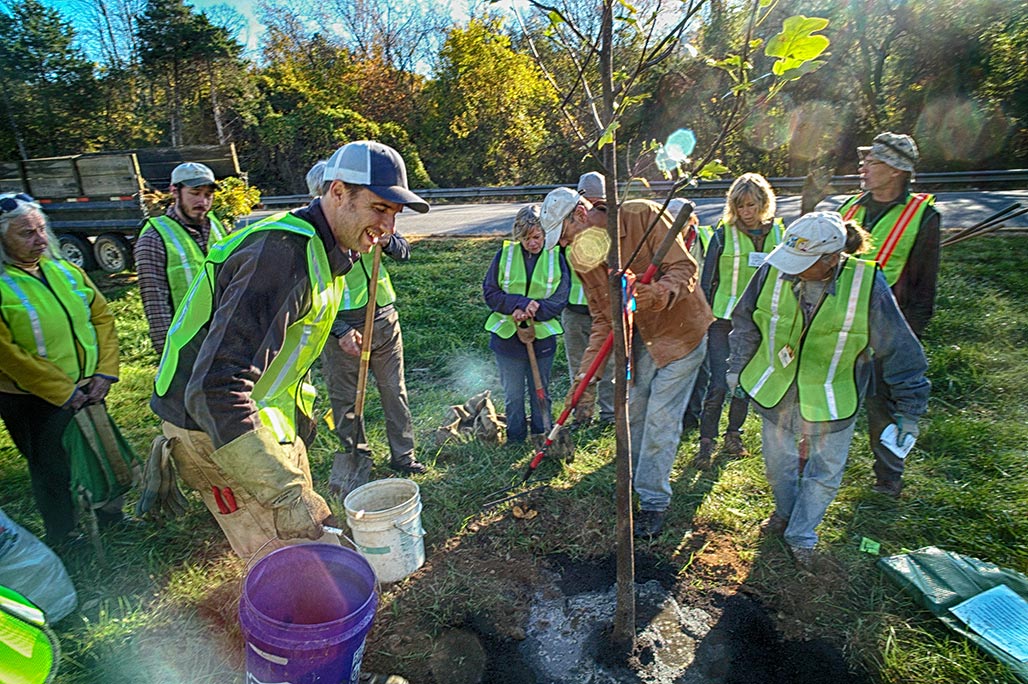
The 2018 CIP proposal in front of us now includes $50,000 per year for the Urban Tree Preservation and Planting line item. This represents a 60% reduction in Parks & Rec original request for $125,000 to perform this work. The original request was carefully considered with input from the Tree Commission. This line item must cover maintenance and preservation of city owned trees that includes: 1) treatments for Emerald Ash Borer and Dutch Elm Disease (estimated at $20K); 2) structural pruning and arboreal maintenance of downtown mall trees and Corner trees (estimated at $25K); and, 3) arboreal maintenance of other city trees in parks, road right-of-ways, schools, etc. (estimated at $30K). Proactively maintaining and preserving the City’s existing trees alone will cost $25,000 MORE than this CIP’s total amount. Needless to say, there will be no funds available for planting new trees or replacing trees that are removed due to storm damage or age.
This news is especially disturbing coming on the heels of last year’s Tree Canopy Study which found that Charlottesville experienced a canopy loss of 6.2% (roughly 420 acres) over the past ten years.
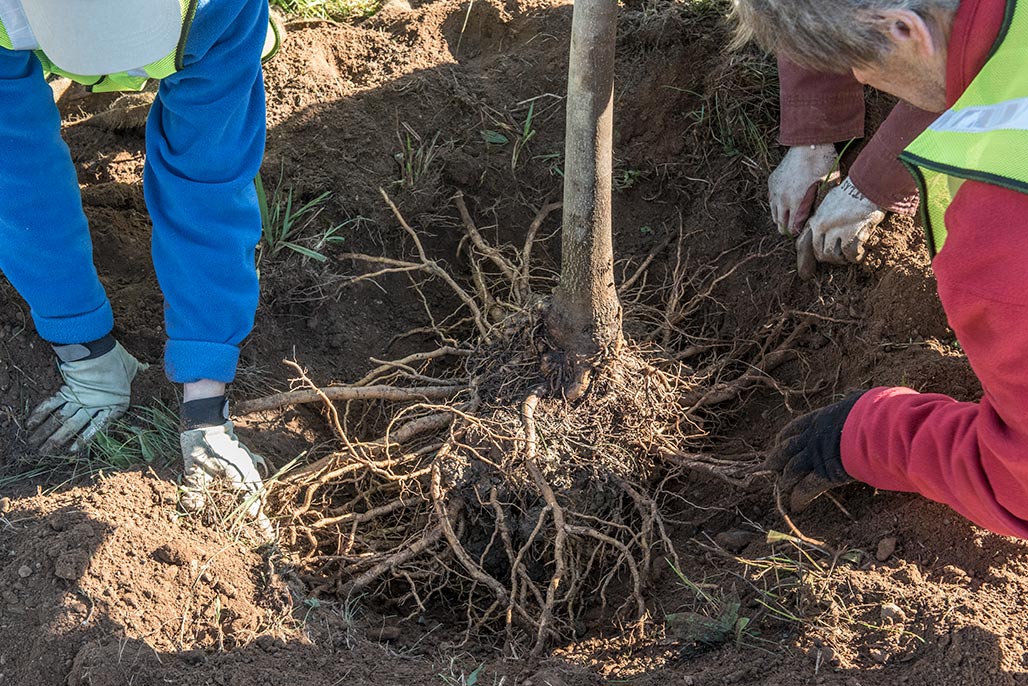
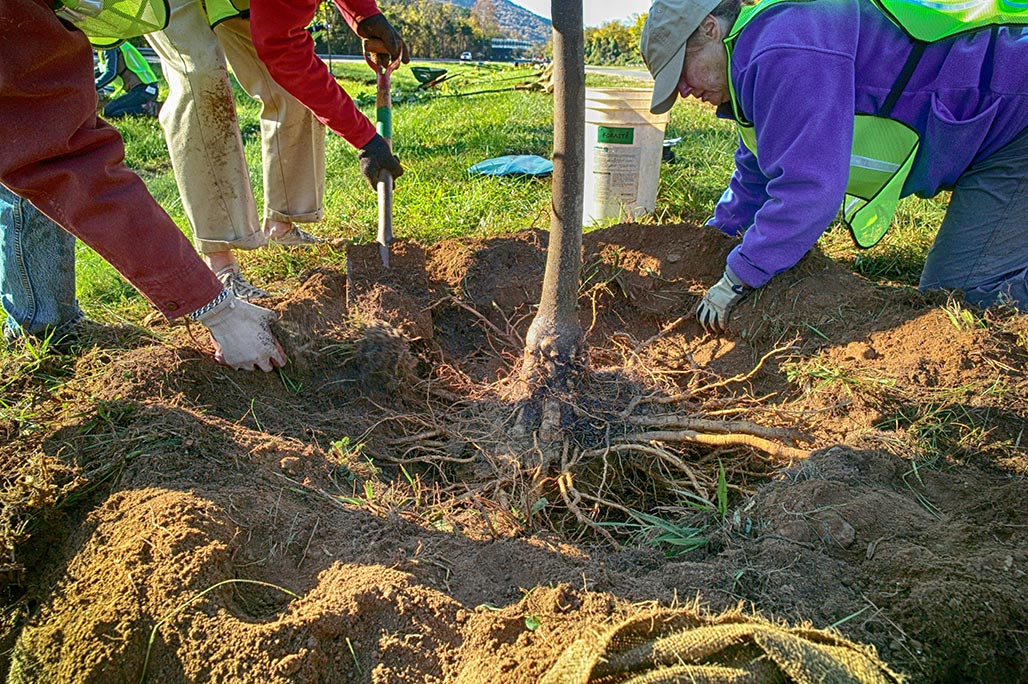
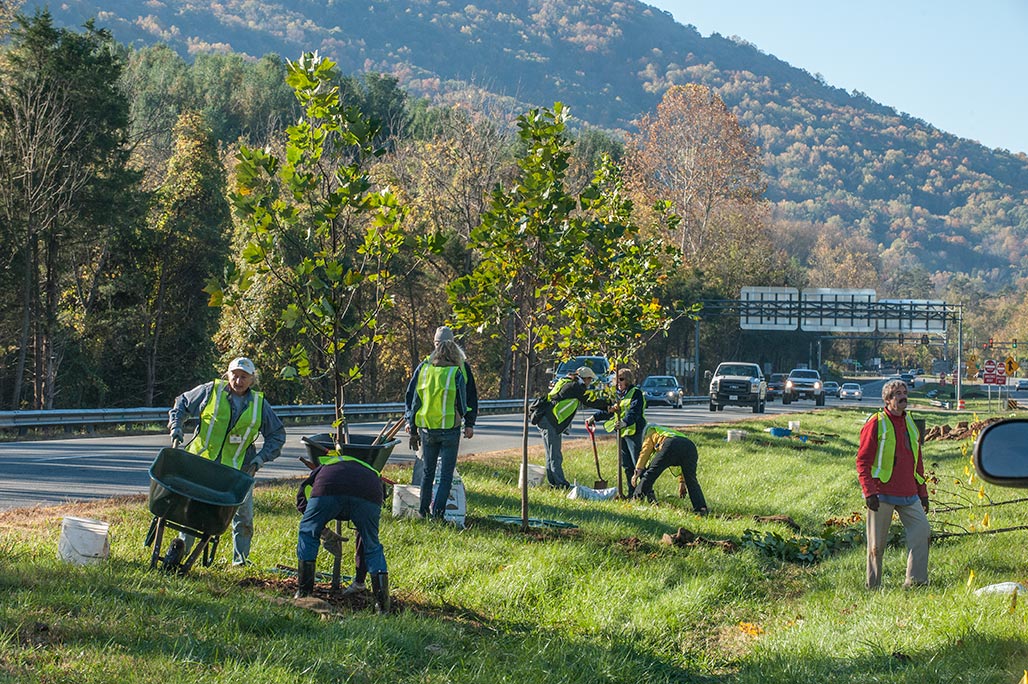
Parks & Rec was able to offset insufficient funding for City trees in recent years with the infusion of VDOT funding for the parkway and route 29 projects. That funding is now gone. The 2013 Comprehensive Plan’s goal to “expand and protect the overall tree canopy of the City” cannot be achieved with the currently proposed CIP funding level. To simply maintain the City’s current trees will require about $75,000. To meet Tree Commission recommendations to plant 200 new trees per year, at a cost of about $50,000, will require a total CIP funding level of $125,000. I urge the Planning Commission and City Council to increase the Urban Tree Preservation and Planting CIP line item to $125,000. To accept the proposed, much reduced CIP funding level is to knowingly decrease protection and maintenance of the City’s existing trees and totally eliminate the planting of new trees. The City’s tree canopy will continue to decline along with the health and financial benefits it provides to our community.