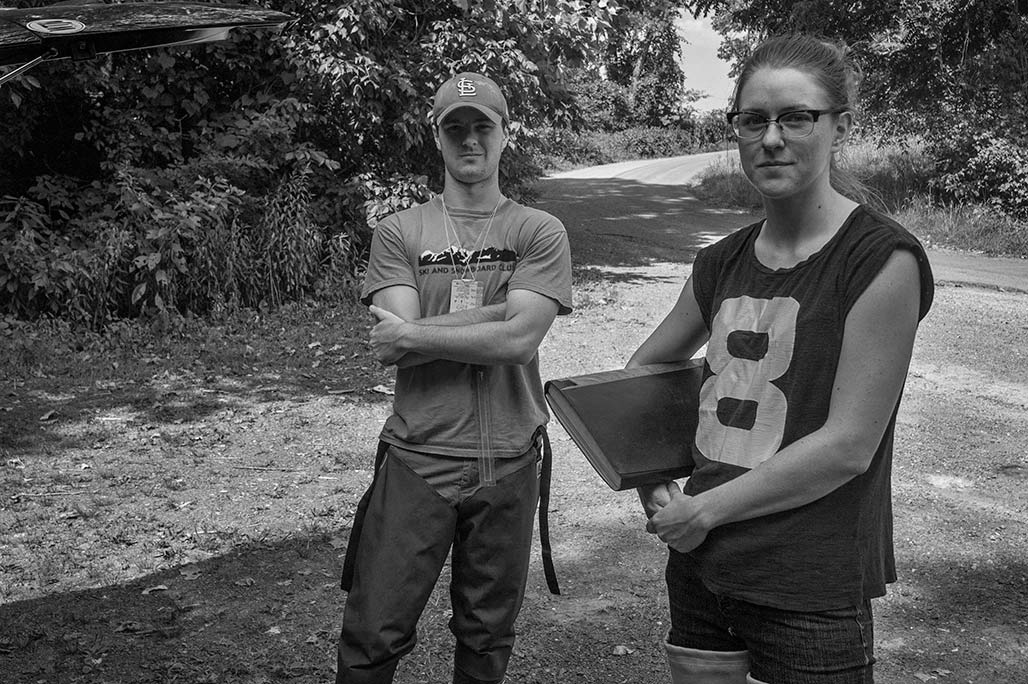
Since 2003, Streamwatch has been monitoring the health of Rivanna River watershed streams. Invariably, Moores Creek earns the “very poor” designation.
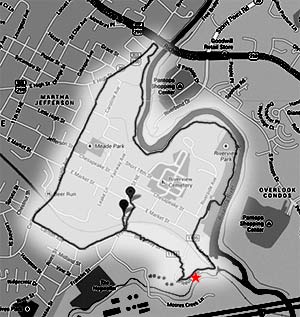
Category: neighborhood
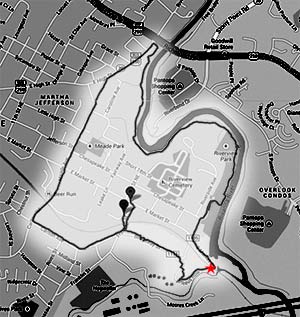
Crossing Moores Creek

Is there a publication that lists RR bridge construction dates?
Boneyard
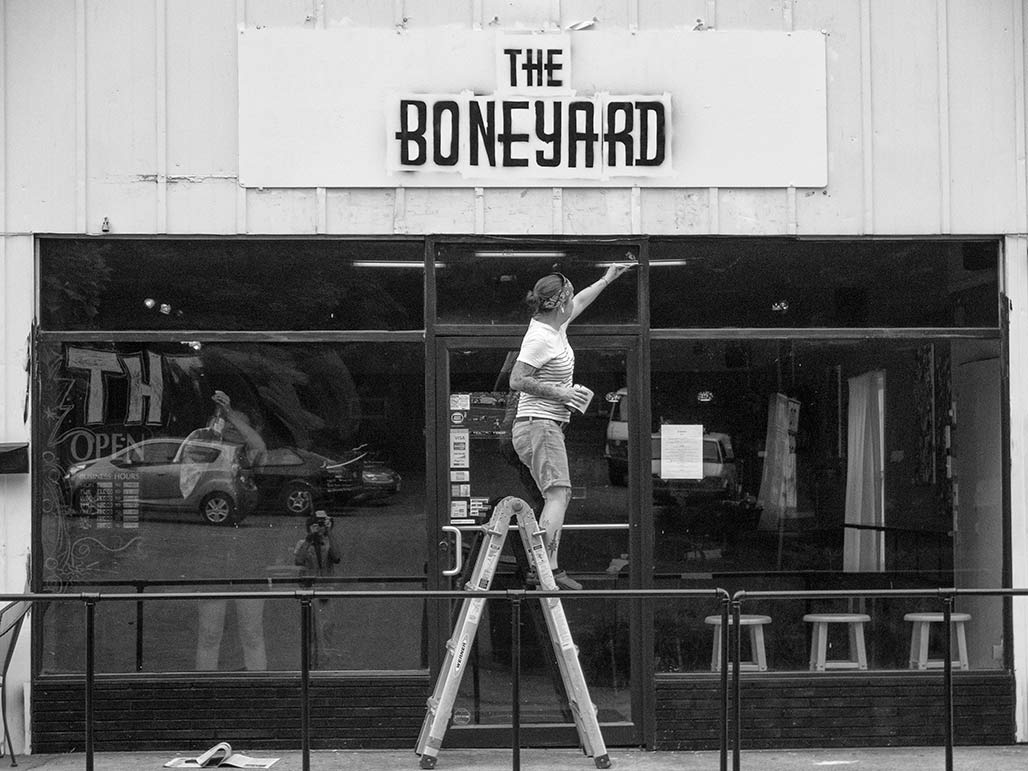
The Boneyard recently painted signs on the east and southern sides of their building. Classic B&W, none of that color. Good job Boneyard! Five stars…
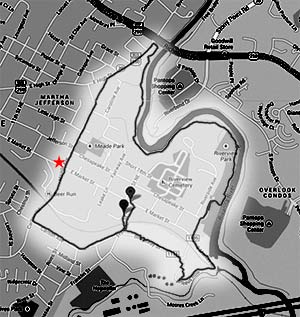
serpent

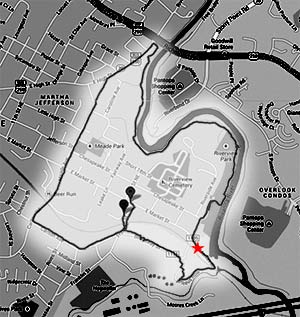
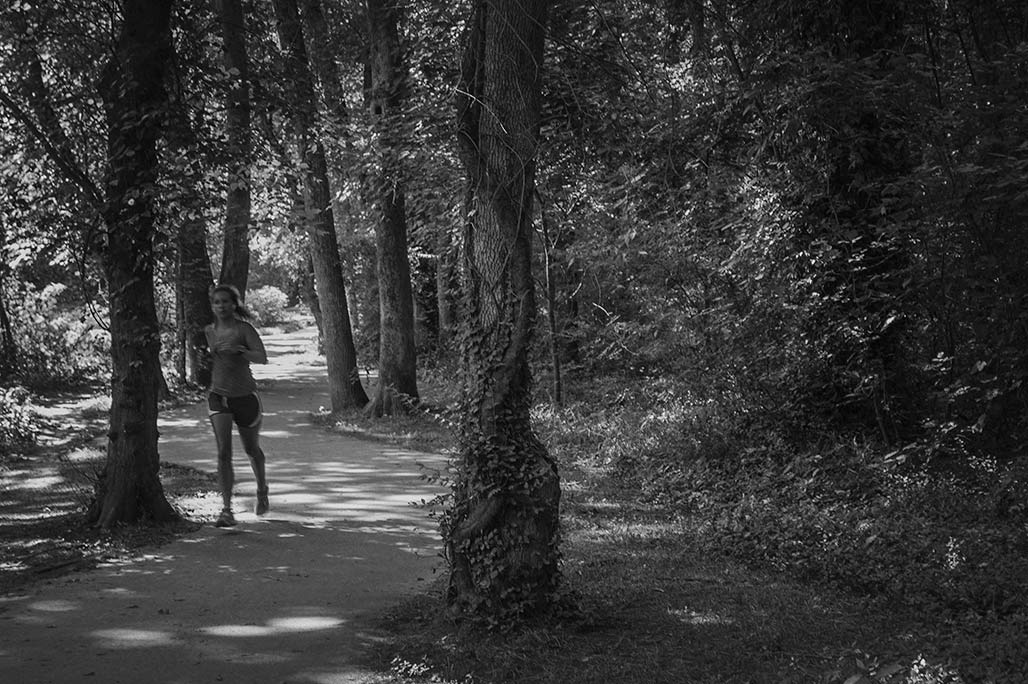
Rivanna Trail
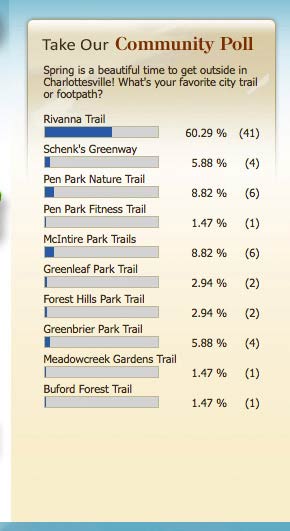
In May of this year the City took an informal poll on their website asking the public to rank trails.
The City lists the Rivanna River as its number one concern in the environmental
section of its state mandated “Comprehensive Plan”.
Currently, the floodplain next to the river is “zoned for business”.
Backfilling the land to a foot above base flood elevation and building a strip mall would be permissible.
There has been thumb-twiddling regarding establishing a riverine zoning overlay.
In October of 2013 the Woolen Mills Neighborhood requested that the City
make an inventory of the ecological, cultural and recreational assets extant in the
corridor. They couldn’t be bothered. Competition for dollars fierce,
more fire engines and electric vehicles to buy.
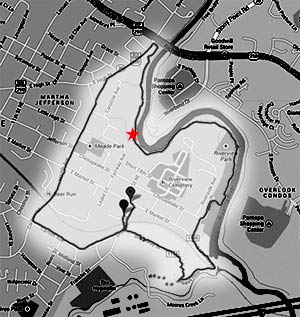
circus grounds
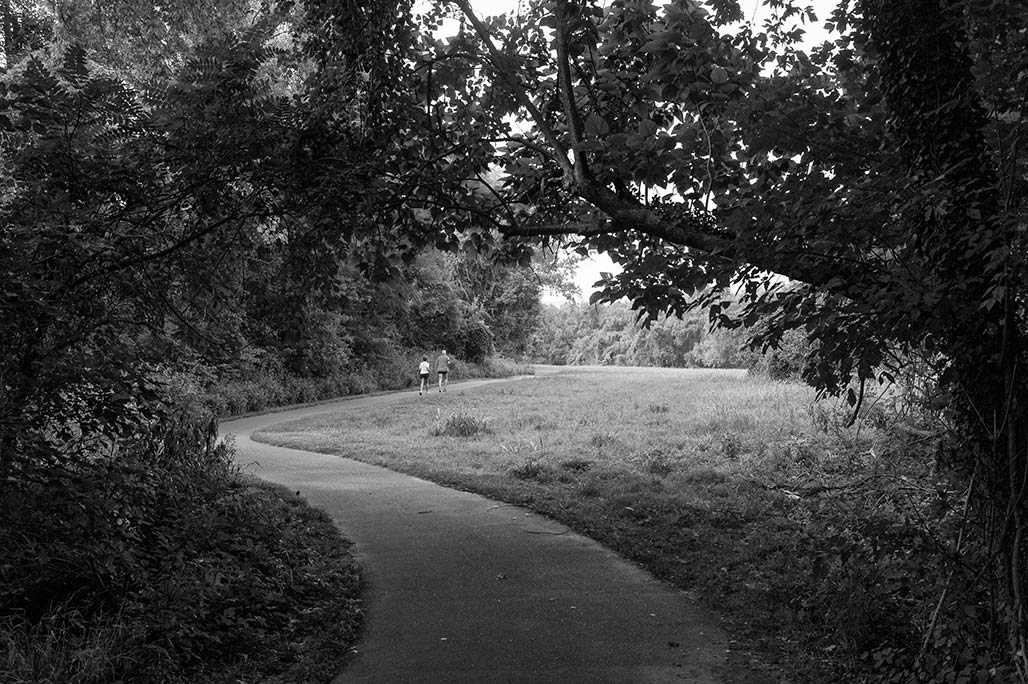
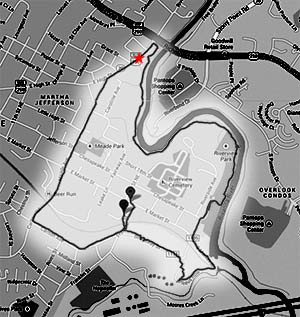
one of the more accessible sections of the trail system allowing for the circumambulation of Charlottesville.
The trail parallels the right bank of the Rivanna River for two miles,
terminating at Moores Creek at the base of Monticello Mountain.
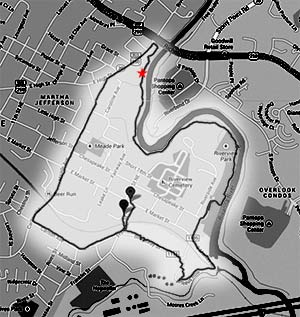
High Street
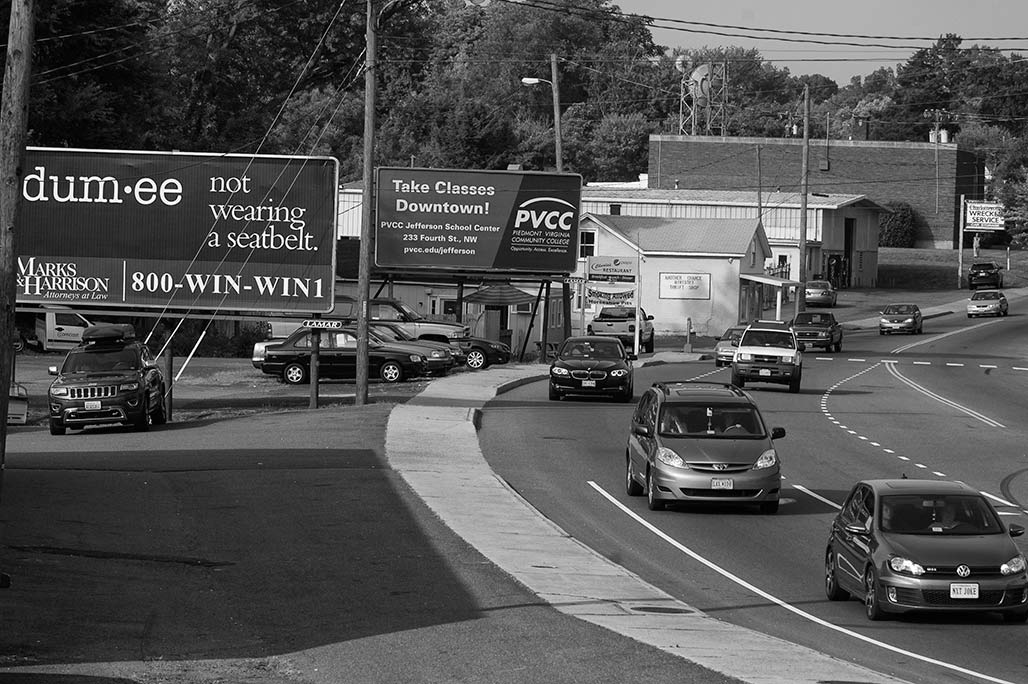
Charlottesville has a riverfront! Though hidden, inaccessible and
underutilized, it is a potential amenity with appeal to countless City and
County residents and visitors to the area. Nowhere is this fact more
significant than at the East High Street and River Road corridors. Attempts at
reclaiming the riverbank for recreational uses in the form of trails, playing
fields, and both passive and active green spaces, pay obvious dividends in
enhancing the quality of life for residents. Environmental and economic
benefits are likely to accrue as well. Incorporating Best Management Practices
for controlling storm water runoff as part of a river front park will help both
aspects. Less obvious, but tremendously important for the City’s continued
economic health, is the role that such amenities play in attracting a highly
skilled talent pool to a region. Increasingly, employees in the New Economy
are considering the proximity of recreational amenities to job and home as
they ponder multiple employment offers from companies in competing
geographic markets. The degree to which Charlottesville can integrate new
employment venues with such recreational (as well as urban) amenities, the
easier it will be for its companies to compete for talent. This will, in turn,
enhance the City’s ability to retain and expand its roster of New Economy
corporations.–pg 154 High Street Corridor Study December 2000, Torti Gallas and Partners CHK
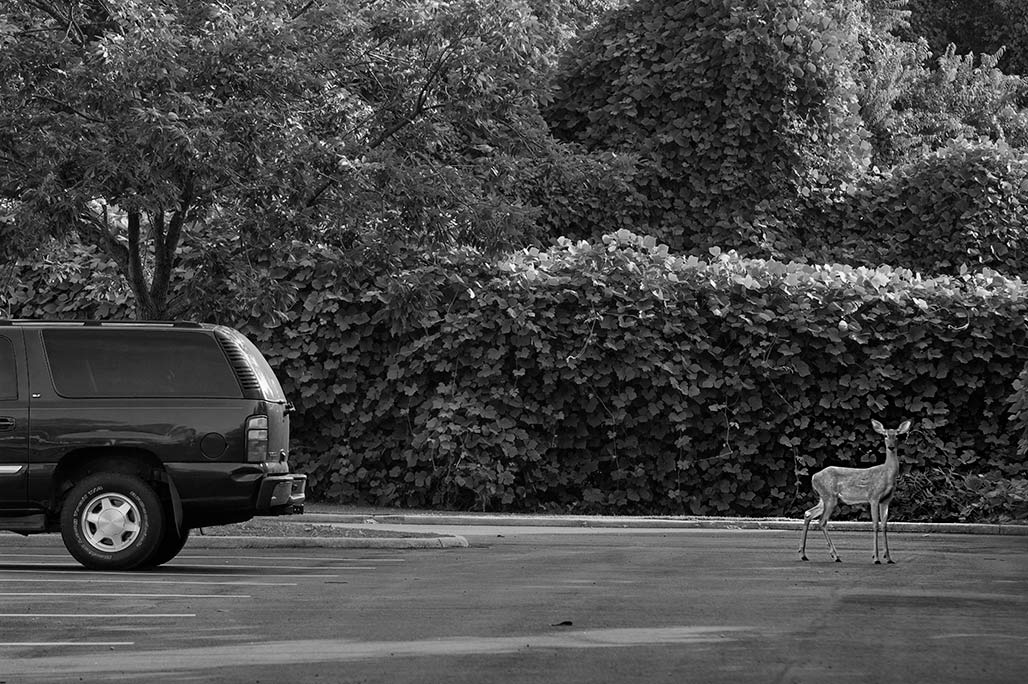
Odocoileus virginianus
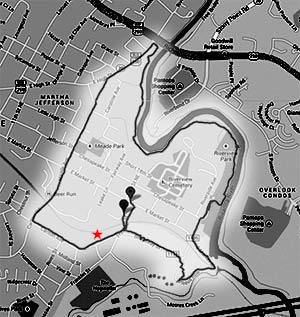
I’ve started biking this loop in the morning.
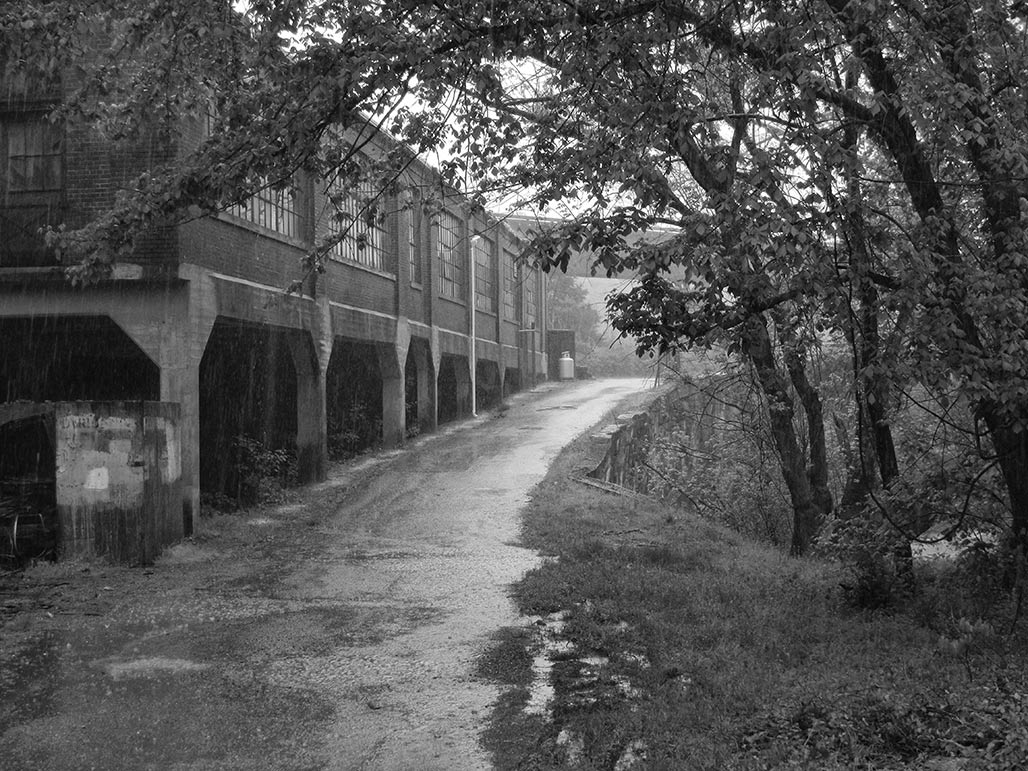
Charlottesville Woolen Mill
 Posted on Categories architecture, artifact, neighborhood, weather
Hudson House for sale
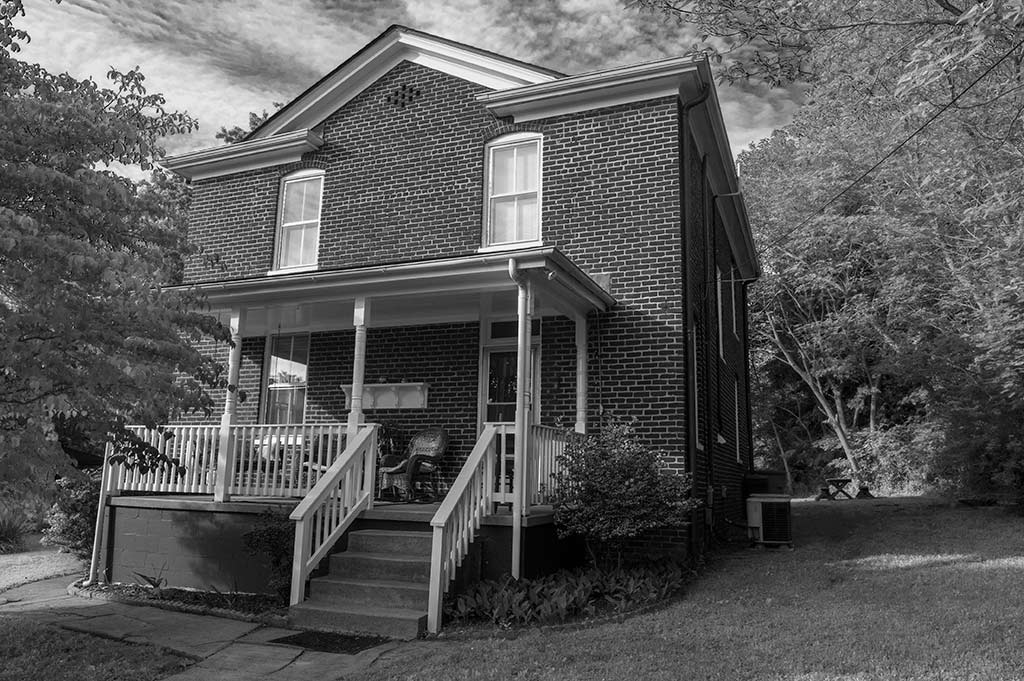
The Hudson house is located in the Woolen Mills Village historic district, 1516 East Market Street, Charlottesville, VA. Janice Kavanagh is the listing broker.