the floodplains shall be filled, the mountain and hill shall be made low: the crooked shall be made straight, and the rough places smooth.
Albemarle County Supervisors vote 4-2 to further terraform at the base of Monticello mountain.
Mallek and Missel voted to prevent harm in the flood hazard overlay district and to retain the benefits of ecosystem services provided by Albemarle’s green and riverine systems to inhabitants of the County and City.
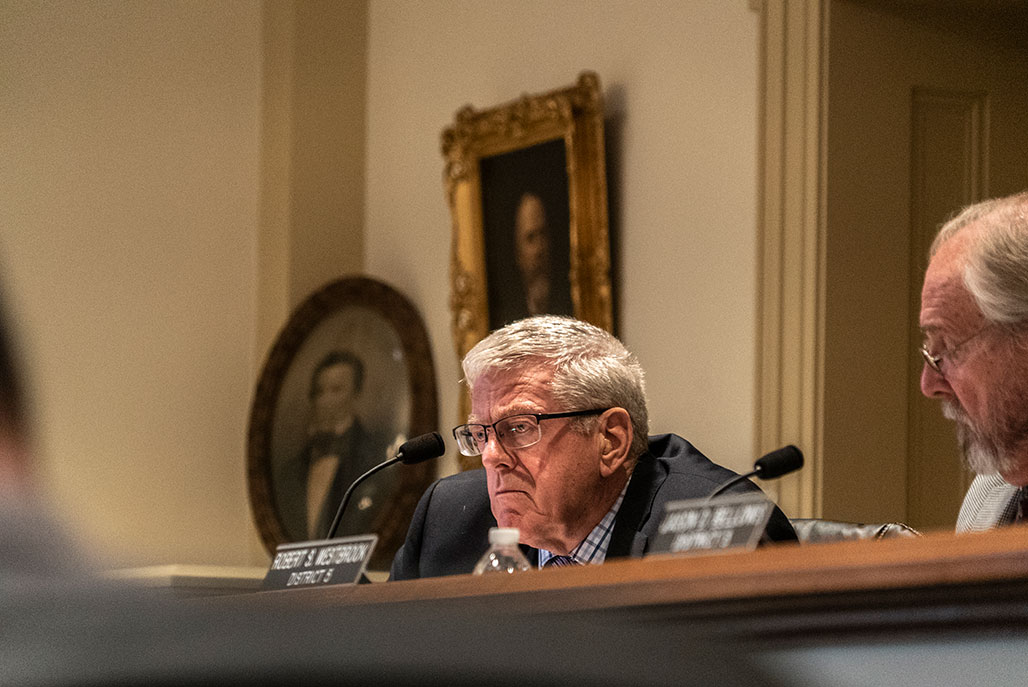
Duncan, Gallaway, LaPisto-Kirtley and Pruitt voted with the civil engineers to acquire four metal buildings, impervious surface and tax revenue.
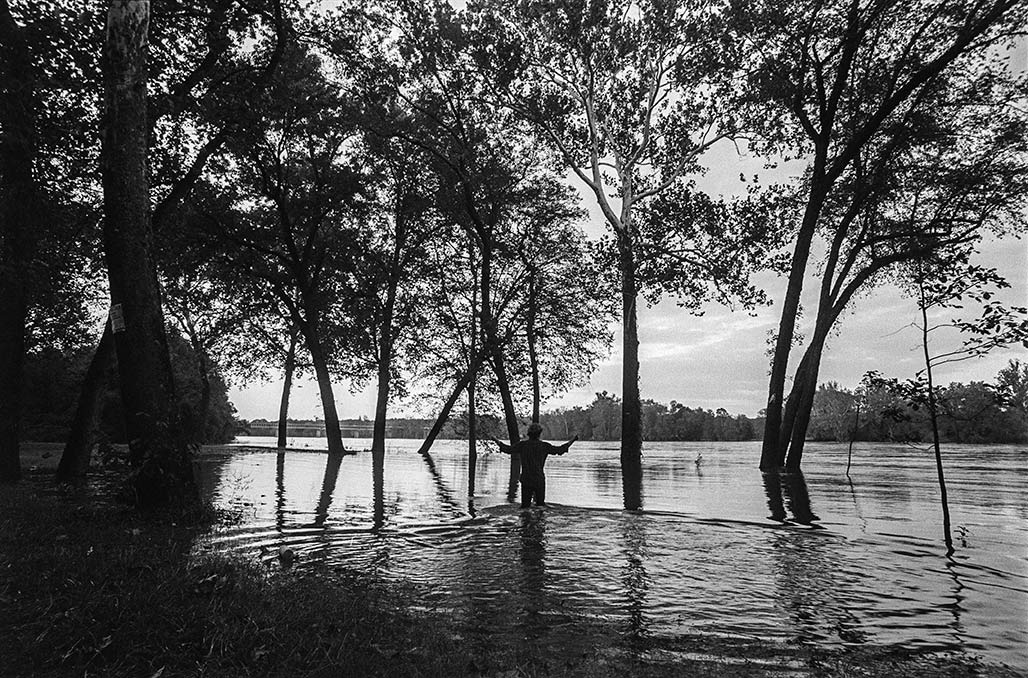
James River floodplain south of Hugenot Bridge
I would like to throw in a different thought than what we’ve been talking about. So we’ve been talking all evening about storm water volume and flows and base flood elevations and floodway fringes and floodplains and 100 year floods and 500 year floods. And I’m well familiar with all these terms, because I spent more than 30 years running a national stream and wetland habitat restoration program across the entire United States, but I also spent over a decade surveying the biological integrity of Moores Creek. So I’m really familiar with this.
I was also vice president of the Belmont Neighborhood Association. I lived there for many years. So I know that neighborhood really well. I know the county side really well. So we’ll just establish that, but we haven’t talked about the other purposes that a floodplain provides.
It is not simply a zone where water is stored during a high water event. It does serve to dissipate the energy of flood waters. Yes, you do want them to be able to spread out and slow down, because they’re less erosive than if you push them into a funnel and let them go really fast, and that’s why we don’t like filling in the floodplain, because it constricts that flow and makes it go fast.
So we can accept the engineers analysis that they say that because this is a backwater fill situation where the water, as the Rivanna River, rises, it backs up Moores Creek, but that they have done all their calculations to say that this small area fill will not raise the base flood elevation. Fine, I’m not going to argue with that.
All right. I’m not an engineer, although I do work with a lot of engineers, but we haven’t talked about the fact that there’s other things that go on in the floodplain that are also really important.
This is habitat. This is not simply an exercise in water flow, but it is also a habitat where many different species depend on that riverine habitat.
Riverine is not a word that we’ve heard tonight that refers to that unique habitat that exists along the river. And those of you who canoe or hike or spend a lot of time in the water understand that that is a different environment than the upland environment.
So to quote the Department of Wildlife Resources, Moores Creek, which flows to the city of Charlottesville, is a tributary to the Rivanna. For decades, urbanization and manipulation have degraded the habitat and water quality of Moores Creek. And it goes on and talks about the potential for Moores Creek to be restored, and notes that multiple species of greatest conservation need listed in Virginia’s wildlife action plan could potentially live in Moores creek or the Rivanna river, and they go on to list all the different species.
Just because we have urbanized the watershed doesn’t mean we should continue to degrade it, just because we thought it was a good idea decades ago that we would put industrial uses along a river that that’s still a great idea.
Zoning can be old and stale and a bad idea, and so the underlying zone here is a bad idea, and I understand that that’s not what’s before us tonight. What’s before us is, can we let them fill in the floodplain?
So there’s a reason why the Comprehensive Plan listed this as parks and green systems. It’s because it’s a flood plain, right? That is why, and the floodplain isn’t just about floods, as I said. So I would like to mention some of the other stakeholders who are not here tonight to testify. And I’m going to save you me rattling off hundreds of species and put you in a coma. I’ll just list a few, the great blue heron, the little green heron, the salamander, the kingfisher or the red bellied woodpecker. I could go on and on with a list of aquatic and riparian species that depend on that habitat. And when we fill it and we destroy it, we diminish that.
So you might say, well, this is just a small area. We’re just going to destroy that small area, because you will destroy it when you fill it and put industrial uses on top of it. But my mom used to use this phrase. You’ve probably heard, death by 1000 paper cuts. That’s what’s wrong with Moores Creek, that’s what’s wrong with the Rivanna river. And so I don’t want to continue to do bad things just because FEMA says, If we pile a bunch of dirt tall and high enough, we’ll be outside the floodplain.
We can engineer just about anything. And I’m going to give you a quick example, I promise quick, that will help you understand the fallacy of this type of thinking.
Let’s just talk about what you can do regulatorily. We could pipe all the creeks. We could get permits from the Army Corps of Engineers. We could pipe our creeks, we could put dirt on top of them, and then, guess what? We won’t have floodplains. Then we could develop on top of all of the prior creek areas, because we could have more industrial use.
Isn’t that great?
No, it’s not great, because rivers and riparian systems provide so many other benefits, habitat areas of respite, quiet, solitude, and habitat for species that, frankly, don’t survive and thrive in other places. And so it’s up to you, if you want to take the attitude that with good engineering and enough bulldozers, we can make it work, and we can meet the federal regulations, but we’re not hitting the spirit of the law, which is to try to protect the aquatic resources of our state. So I’m just, I’m going to leave it there.
I’m opposed to this application. I’m opposed to all filling of floodplains for that reason. And there’s a reason why the Comprehensive Plan said this should be parks and green systems, and I’m sticking with the Comprehensive Plan. I’ll leave it there. I’ll only talk again, if there’s some technical thing that I want to object to, but that’s where I stand. Thank you.–Commissioner Karen Firehock December 16, 2025, Albemarle County Planning Commission meeting
Albemarle BOS will vote the fill up or down January 14, 2026. There is a petition asking them to deny this application to fill, please consider weighing in.
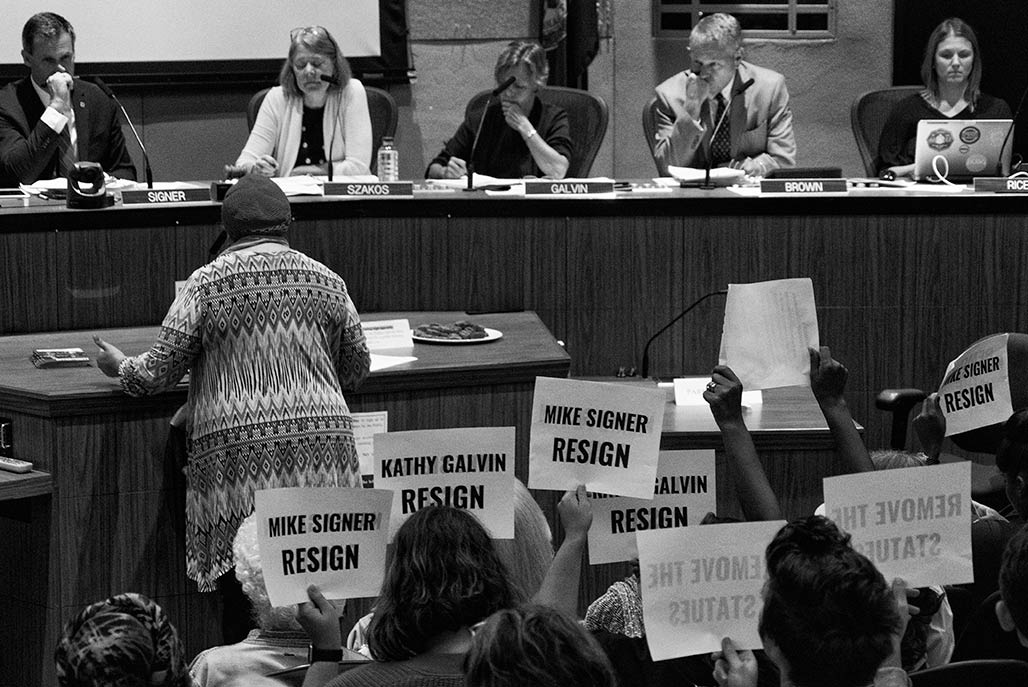
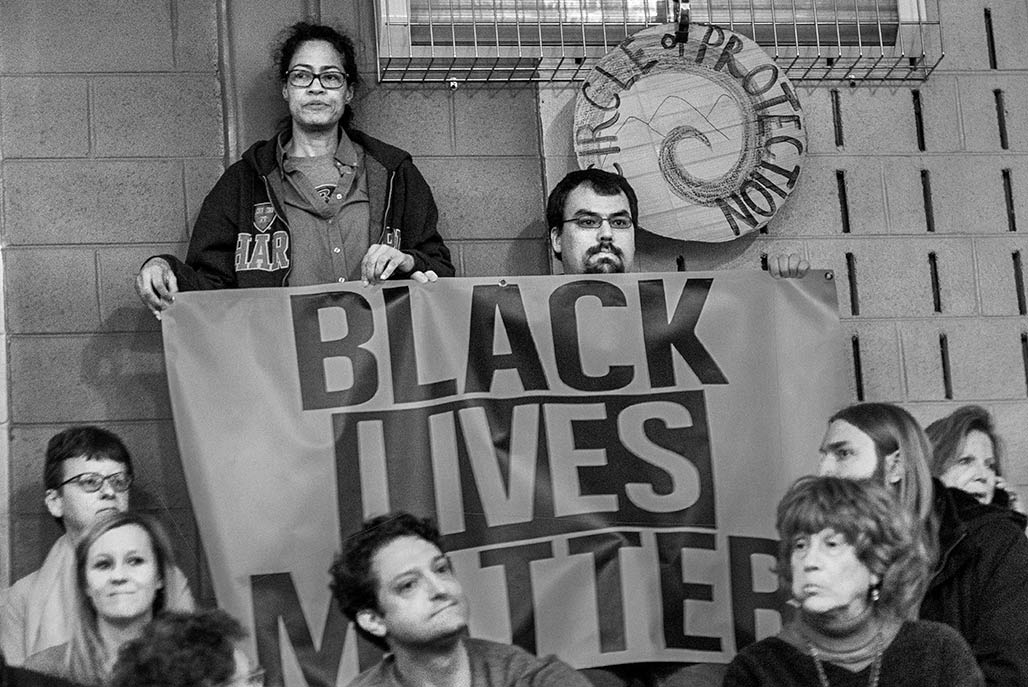
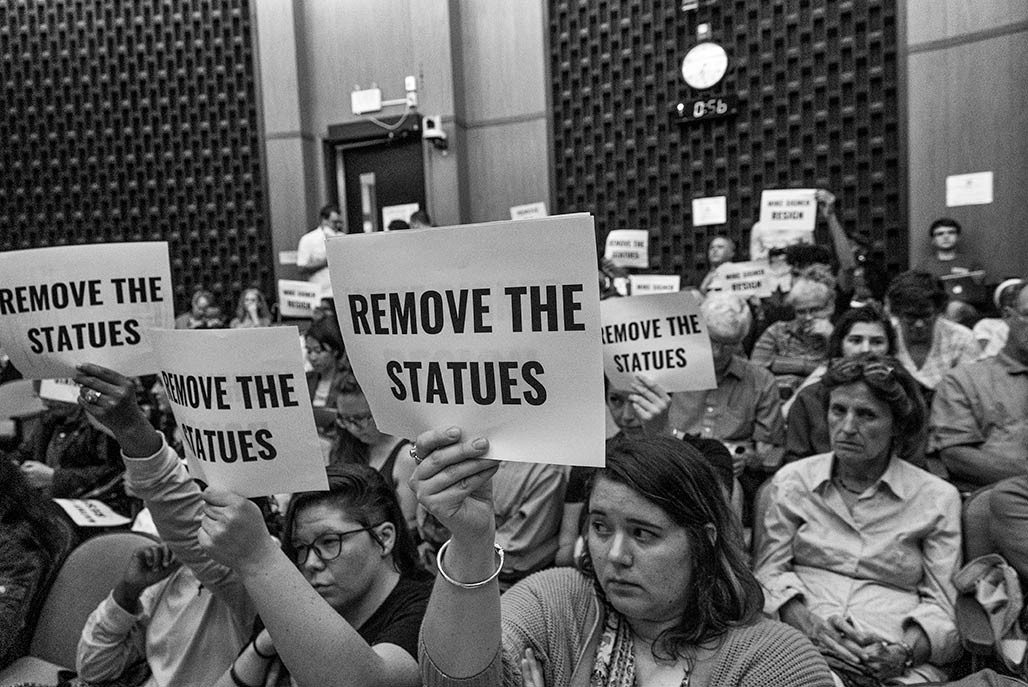
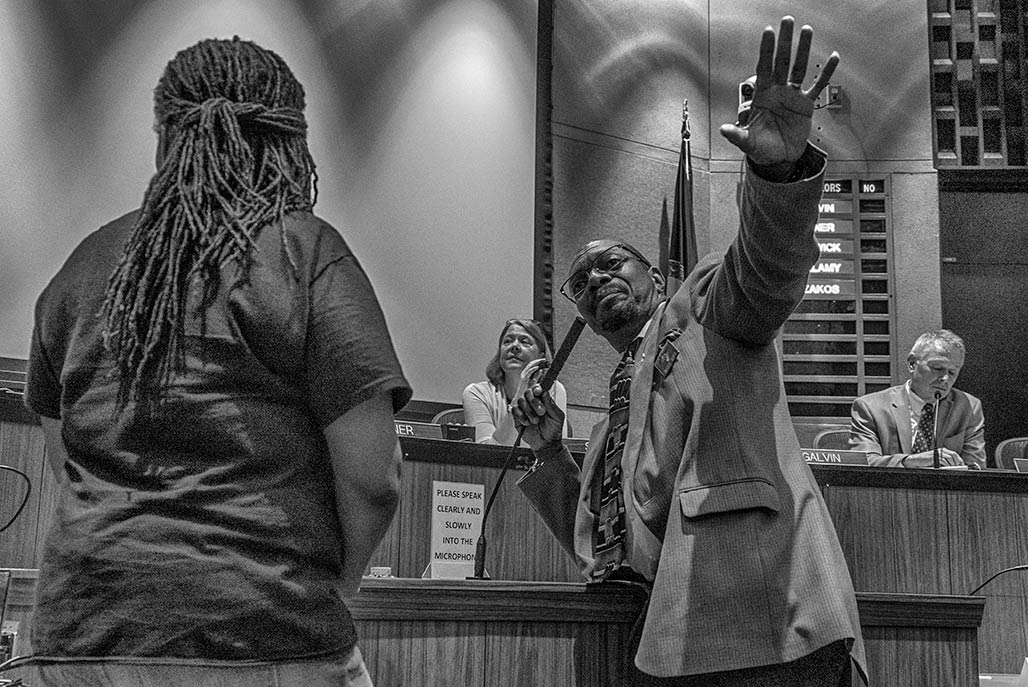
Once upon a time the public stage was an open place to see and be seenSometime the being seen was without a particular message. Maybe one’s presence expressed support? Maybe it expressed a watchfulness.There is information available from body language and the context in which it is thrown downThere are means, within the physical space, even if it is not your turn to be heard to be heard.
Now there are all forms of electronic meetings. Have they increased accessibility? Have they increased effective citizen participation in governance?
All the world’s a stage, And all the men and women merely players; They have their exits and their entrances; And one man in his time plays many parts, His acts being seven ages. At first the infant, Mewling and puking in the nurse’s arms; And then the whining school-boy, with his satchel And shining morning face, creeping like snail Unwillingly to school. And then the lover, Sighing like furnace, with a woeful ballad Made to his mistress’ eyebrow. Then a soldier, Full of strange oaths, and bearded like the pard, Jealous in honor, sudden and quick in quarrel, Seeking the bubble reputation Even in the cannon’s mouth. And then the justice, In fair round belly with good capon lined, With eyes severe and beard of formal cut, Full of wise saws and modern instances; And so he plays his part. The sixth age shifts Into the lean and slippered pantaloon, With spectacles on nose and pouch on side; His youthful hose, well saved, a world too wide For his shrunk shank; and his big manly voice, Turning again toward childish treble, pipes And whistles in his sound. Last scene of all, That ends this strange eventful history, Is second childishness and mere oblivion; Sans teeth, sans eyes, sans taste, sans everything.— W.Shakespeare
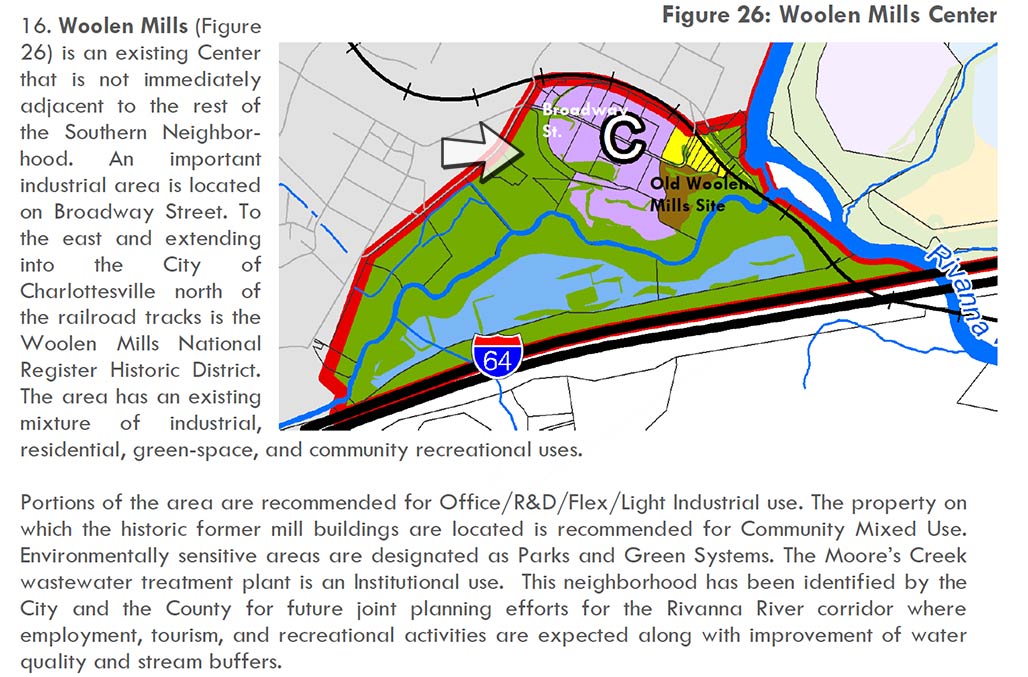
Tuesday April 9 at 6:00 PM the Albemarle Planning Commission will hear a request to remove protective zoning from a forested hillside in the east Belmont Carlton neighborhood. The request comes on behalf of Elemental Ecotech, the owner of the property, who see the island of green at the perimeter of their recently denuded site as an impediment to their development efforts.
The applicant has an approved site plan for the bare dirt area showing 3.32 acres of impervious surface (12 buildings + sidewalks, roads and parking). The trees at the perimeter of the lot have survived because they are on hillsides protected by the Albemarle County’s preserved slopes overlay (Albemarle County Code 30.7)
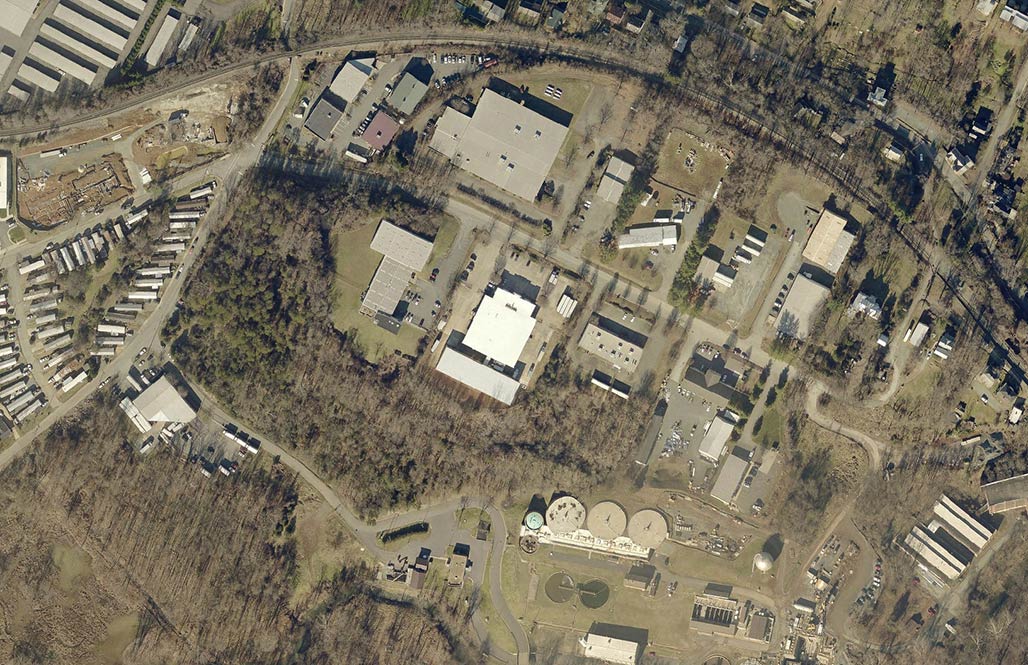
2016 aerial, before site grading began
County staff have previously determined that the property can be developed with the protective zoning overlay in place, but staff is now recommending the approval of the zoning change.
Why do we care?
Development will occur on this site, but it must be done as thoughtfully as possible.
Ask Albemarle to be sensitive to global warming, stormwater runoff, natural habitat and native flora and fauna.
Ask Albemarle to preserve our cultural and natural assets, those things we love about our home, Piedmont Virginia.
Southern and Western Urban Neighborhoods Master Plan. The arrow points towards a crescent shape, next to the purple, which contains the preserved steep slope.
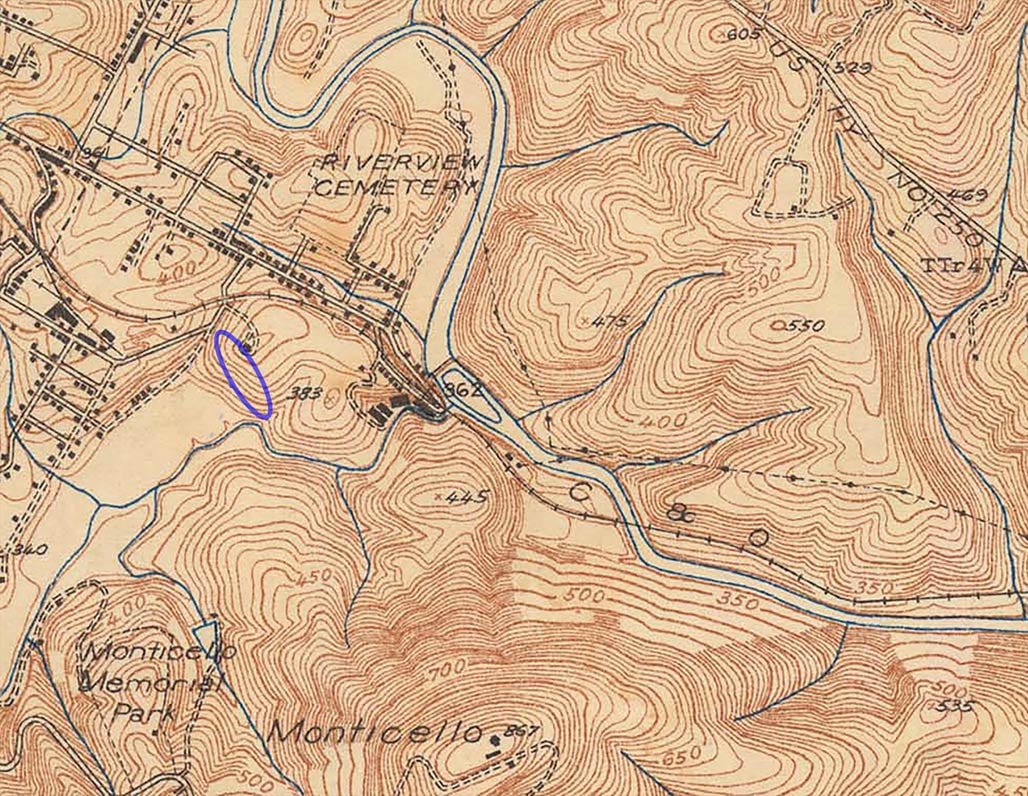
This part of Central Virginia is magical. The forested hillside in question is less than a mile from Monticello, less than a mile from the point where the Rivanna River flows through the Southwest Mountains.
There is much to be gained by smart, thoughtful considerate guidance provided to future development by Albemarle County officials. Careful planning here represents a further step toward regional cooperation, everybody wins. (Franklin Street is the boundary between City and County).
to be careful when developing next to the flood plain, next to an impaired stream
to be respectful of the quality of life for neighbors
don’t want this
Consider attending and speaking at the public hearing, County Office Building, 401 McIntire Rd, Charlottesville, VA 22902. 6:00PM April 9.
p.s. This is the 2nd time there has been a request to remove slopes on this parcel.
The first time was in 2015. http://woolenmillsneighborhood.org/blog/wmna-board-franklin-hill-letter/