the Road to Hell is lined with Bradford Pears

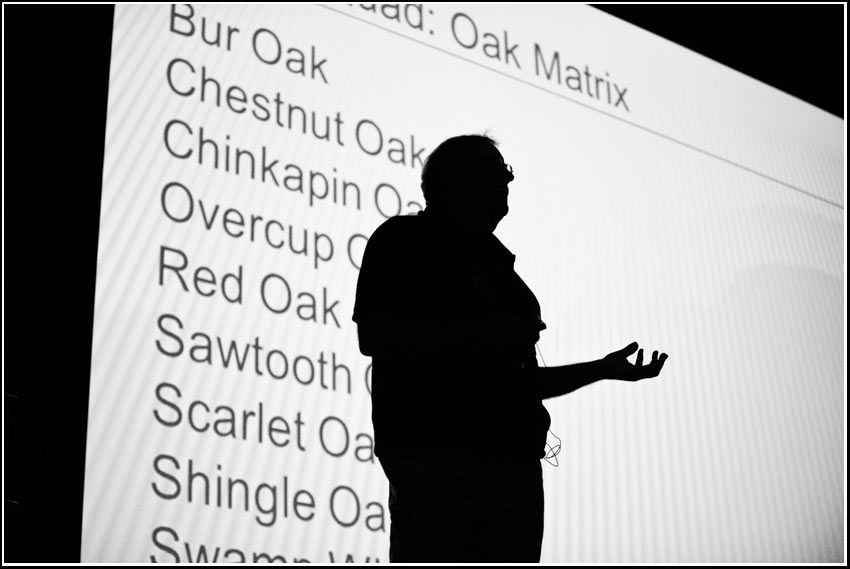
Michael Dirr silhouetted
Michael Dirr was in Charlottesville yesterday speaking at the 28th Annual Central Virginia Landscape Management Seminar,
presented by the Piedmont Landscape Association. In the morning he gave a talk titled “In Praise of Noble Trees”.
Michael Dirr is the author of the Manual of Woody Landscape Plants (6th Edition) The bible of the Nursery/Landscape industry and gardeners, additionally he has published hundreds of other works and planted thousands of trees.
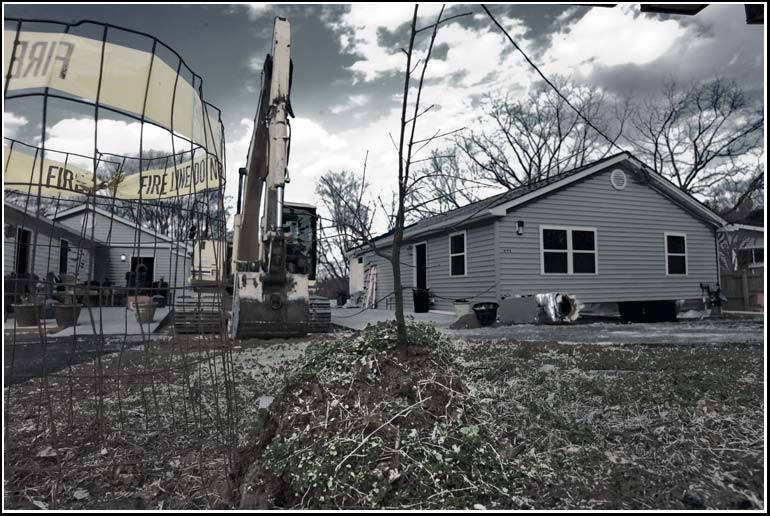

The reality for trees in this tree city is tough. A year ago we planted three oaks in a part of our neighborhood that sorely needs trees. One was mowed over by a lawn service guy who couldn’t be troubled to steer his lawn chariot around it. A second survived a house fire, but had to be moved when a track-hoe needed access to knock down the burnt house remains. The third still lives.

This is the time of year to be making a list of bare root seedlings to plant early in the spring. The Virginia Department of Forestry has how to plant guidelines on their website. The Department of Forestry sells seedlings.
Musser Forests is my favorite bare root tree source.
Kept away from cretinous lawnmower operators and deer, bare root seedlings will do well.
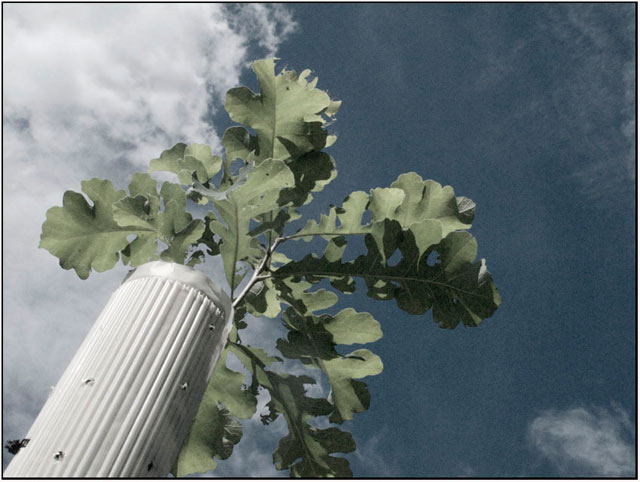
This Bur oak is four feet tall in less than a year.

notorious

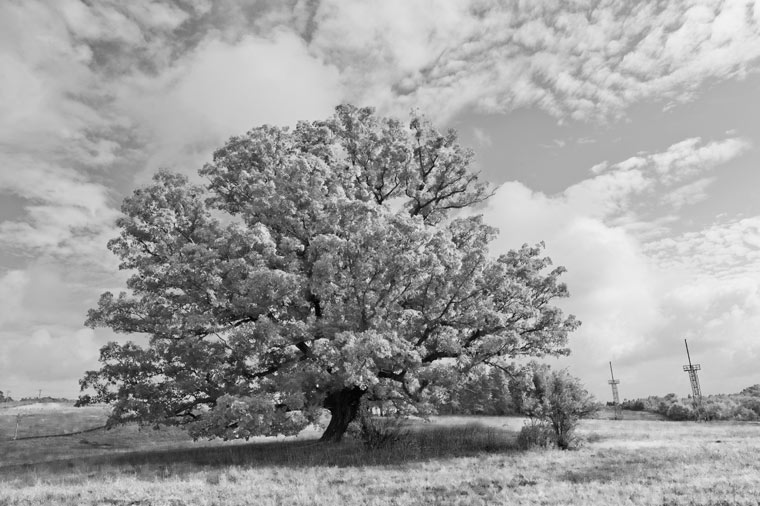
quercus alba, CHO airport
Oak trees are used extensively in the landscape because of their longevity, toughness and beauty. They are wind pollinated (allogamous), fertile and highly heterozygous, hybridizing readily where two or more interfertile species occur and have aptly been described as “notorious for their sexual infidelity”.– Clonal Propagation of Quercus Spp. Using a Container Layering Technique, J. Naalamle Amissah and Nina L. Bassuk

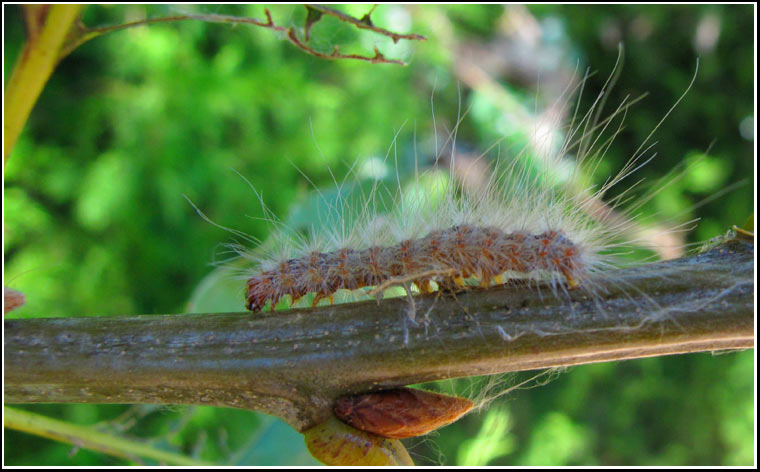
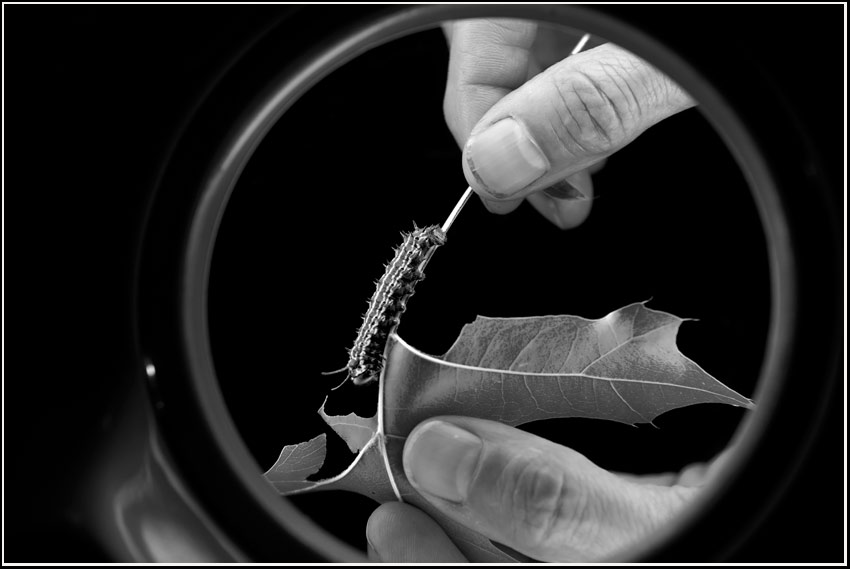
Haliaeetus leucocephalus, Hyphantria cunea


The good thing. Eagle was on overwatch while I pushed the lawnmower.

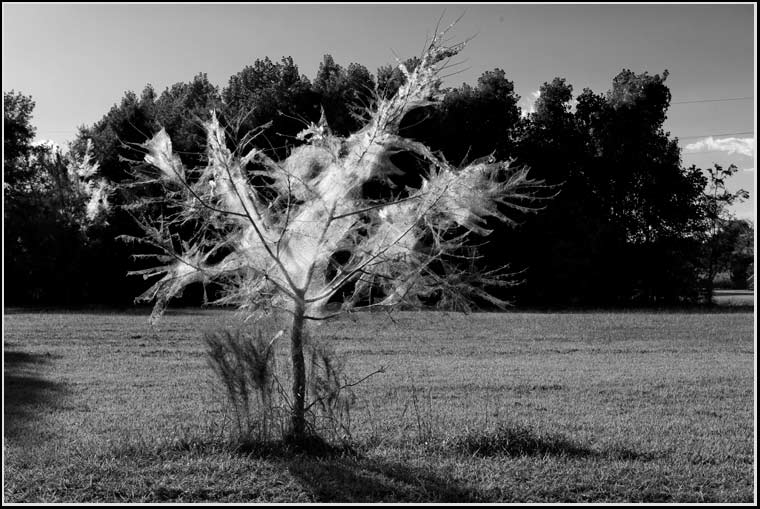
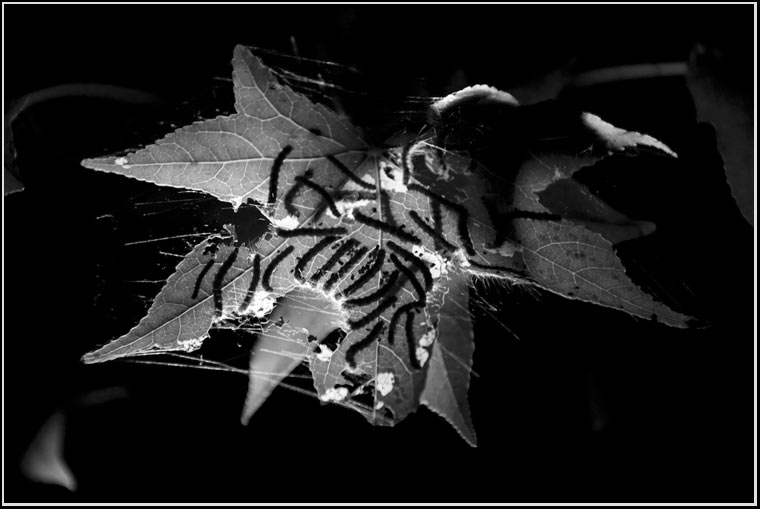
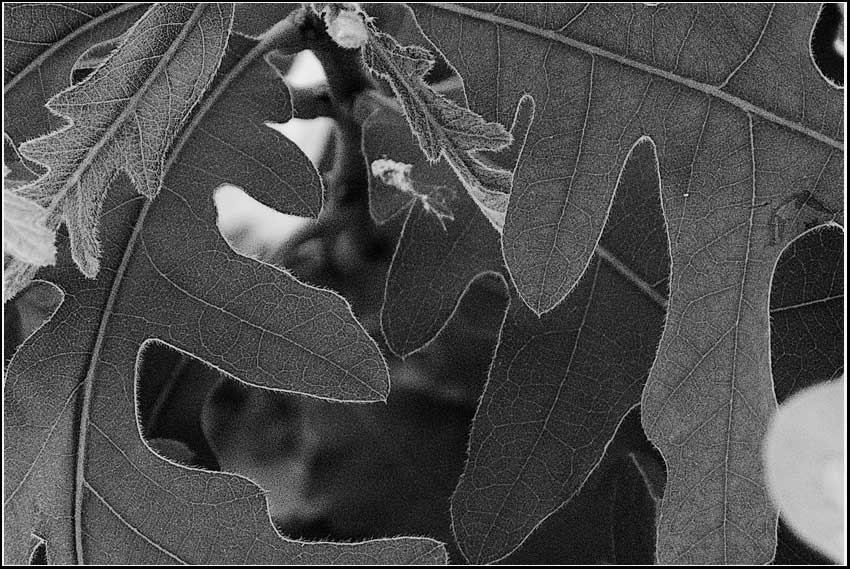
On the ground, trees are defoliated by some variety of tent caterpillar. They seem to be partial to walnut and pecan trees but they are munching on the yearling oaks as well.

Silhouetted.

Hoping someone can help me with critter ID.
RMH says:
The fall webworm feeds on just about any type of deciduous tree, where leaves are chewed; branches or the entire tree may become defoliated. Worldwide, it has been recorded from 636 species,[6] and is considered to be among the most polyphagous of insects. In the eastern U.S., pecan, walnut, American elm, hickory, fruit trees, and some maples are preferred hosts; in some areas persimmon and sweetgum are also readily eaten. In the west, alder, willow, cottonwood and fruit trees are commonly used.–Wikipedia

quercus macrocarpa

Light requirement: tree grows in full sun Soil tolerances: clay; loam; sand; acidic; alkaline; extended flooding; well-drained Drought tolerance: high Aerosol salt tolerance: high Soil salt tolerance: good Outstanding tree: tree has outstanding ornamental features and could be planted more--

Grows in the 48 contiguous states. This one is in a tree tube. Planted ten in April.
Wikipedia

lack of water

dying trees

Yellow poplar (Liriodendron) is notorious for shedding many leaves during summer droughts, sycamore (Platanus) sheds some leaves, and buckeye (Aesculus) may shed all of its leaves as drought continues. On the other hand, leaves of dogwood (Cornus) usually wilt and die rather than abscise. If water becomes available later in the growing season, some trees defoliated by drought may produce a second crop of leaves from previously dormant buds. Many times these leaves are stunted.–Dr. Kim D. Coder

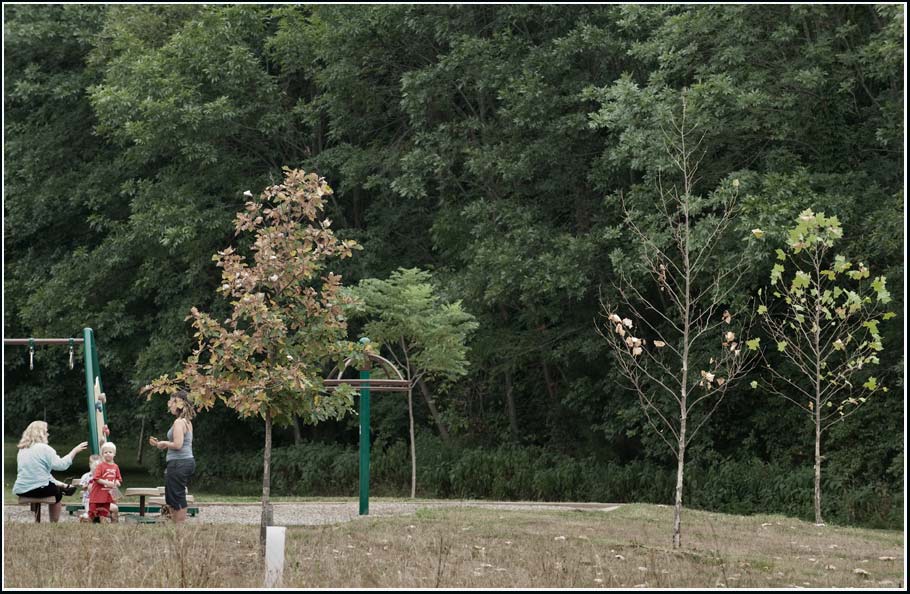
These three trees planted in 2009, a swamp white oak and two sycamores in Riverview Park, need water. Trees are like dogs, or children, if you plant two inch caliper ($100) trees, they have to be cared for until their root systems are established.

According to Dr. Coder’s article these juveniles might still have a chance…