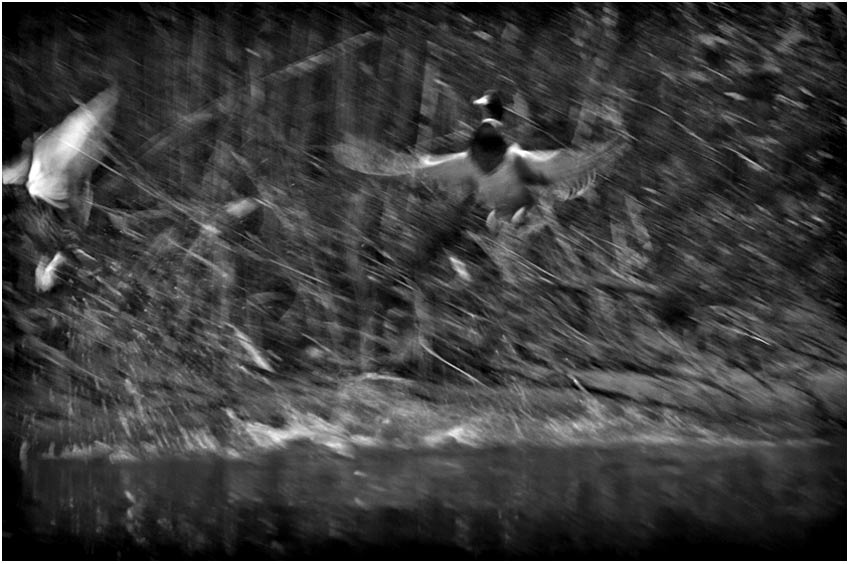
sitting ducks
photography from the Chesapeake Bay watershed by Bill Emory
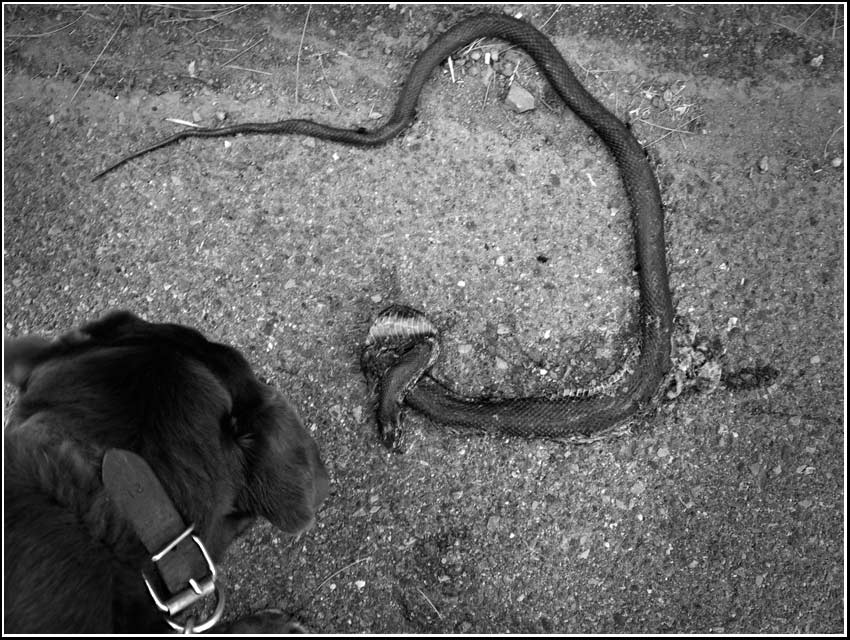
The black snake is the state reptile of Ohio. Sign of spring, the snakes come out. Virginia does not have a state reptile, real estate developers did not want the publicity. However, Virginia did recently name the striped (Stry-Ped) bass as the state salt-water fish.
There are many cool, deserving reptiles in the Commonwealth of Virginia. Lets crown one and make it a crime for it to be run over. You deliberately crush a box turtle? We still have capital punishment in our state.
This black snake lived near the intersection the of Riverview and Woolen Mills Road. This is the snake corner. My last living coluber constrictor photo was taken at the same spot.
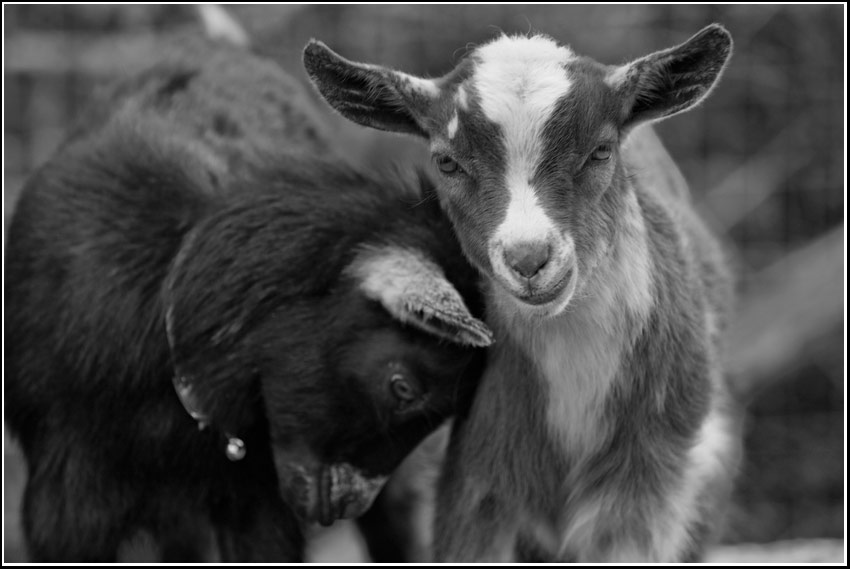
Nigerian miniature goats Zinnia and Ella.
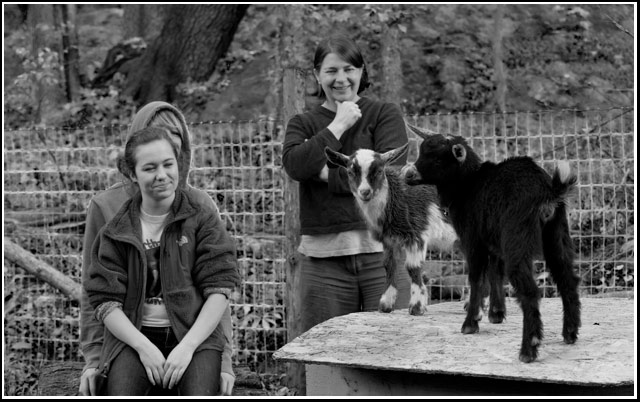
C-Ville has the story.
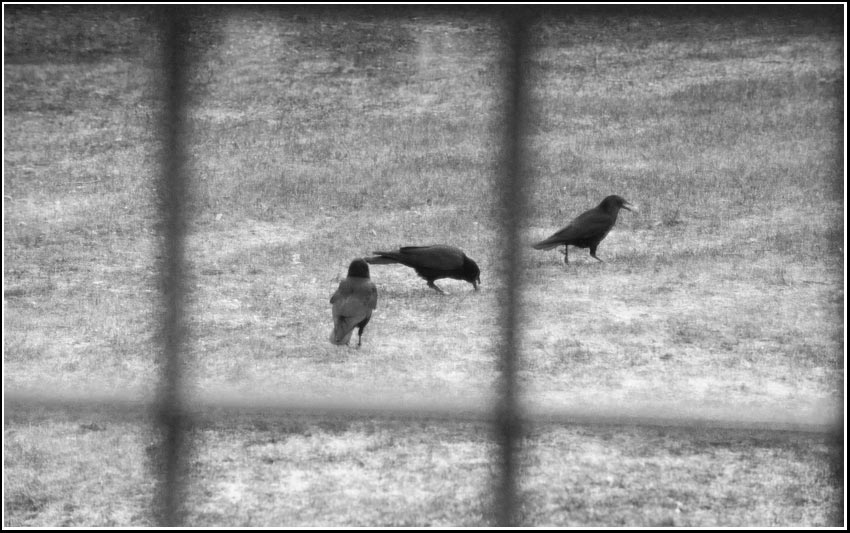
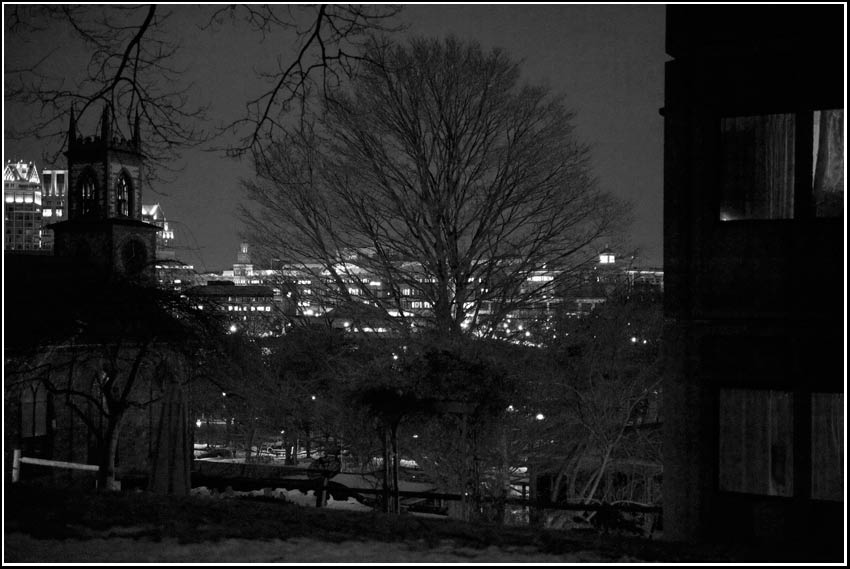
churchyard
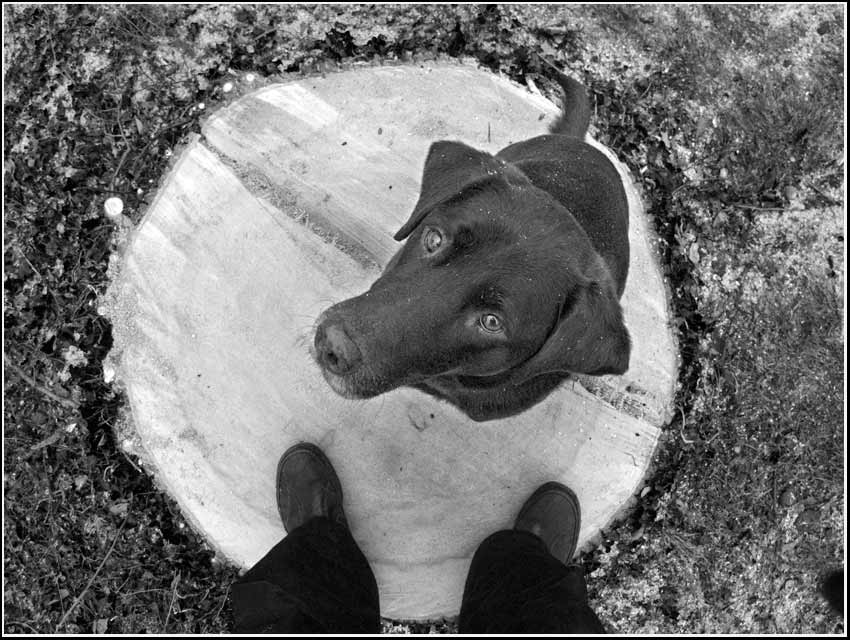
In tree care, there is the notion of the unhealthy unstable tree. Such trees are slated for removal.
This tree was such a tree. It had the anthracnose fungus, so some of its leaves would fall off early. Additionally, it had some dead branches in its crown.
The solution? Take it down.
I know a lot of people that have a bit of dead wood in their crown, androgenic alopecia, dental caries, neuropathy, gray hair, short-term memory loss… This is something we humans call “aging”.
In humans, this process is allowed to go on until something called “death” occurs, usually about half of a lifetime after the onset of the unattractive aging symptoms.
We hold trees to a different standard.