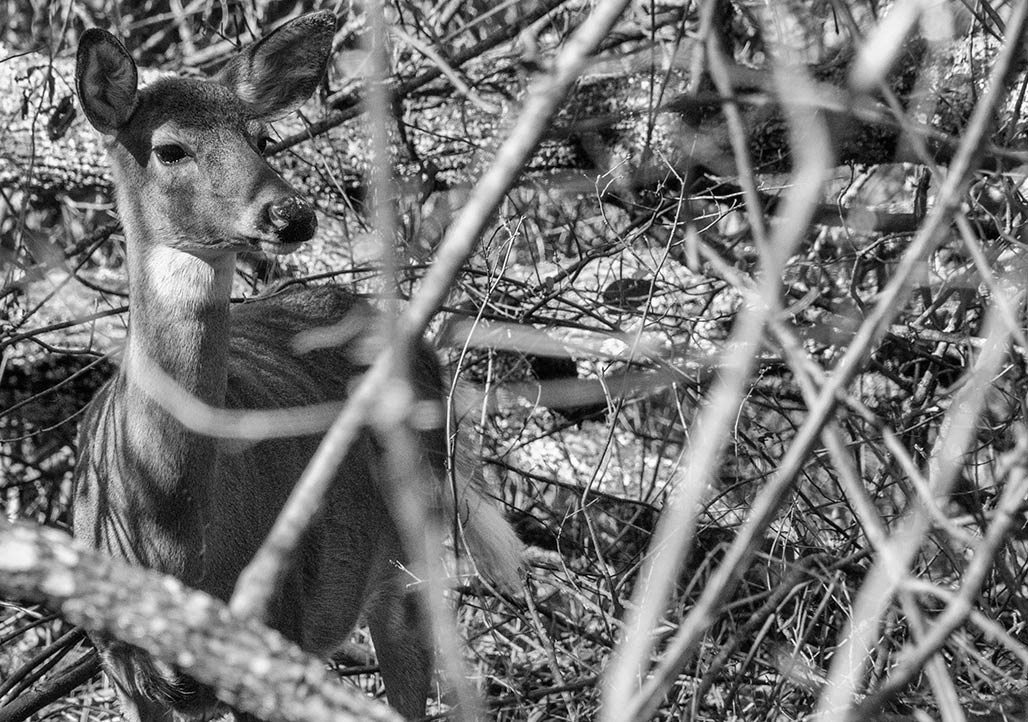
Tilly had her first close encounter with a wild ungulate by the Rivanna river last week. Tilly didn’t give chase. Something I didn’t know about deer? “Though almost entirely herbivorous, white-tailed deer have been known to opportunistically feed on nesting songbirds, field mice, and birds trapped in mist nets, if the need arises.”–Wikipedia
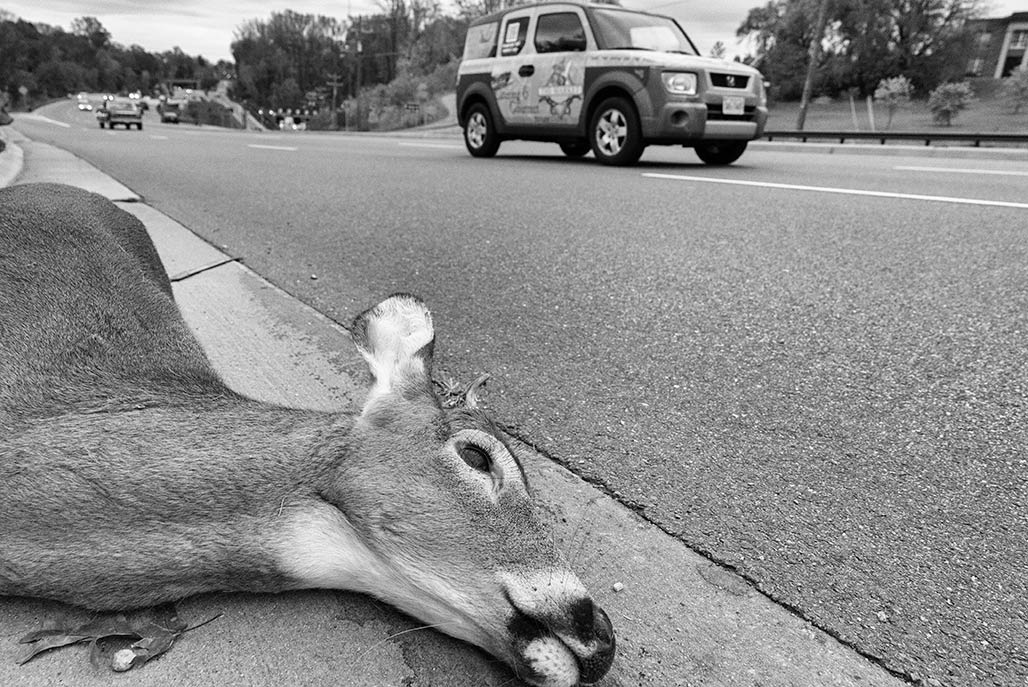
A pedestrian has a 3.5% chance of being killed by a vehicle traveling at fifteen miles per hour, but the likelihood of death increases to 37% when the vehicle is traveling at thirty-one miles per hour and to 83% when the vehicle is traveling at forty-four miles per hour.–Why Pedestrian-Friendly Street Design is Not Negligent Michael Lewyn
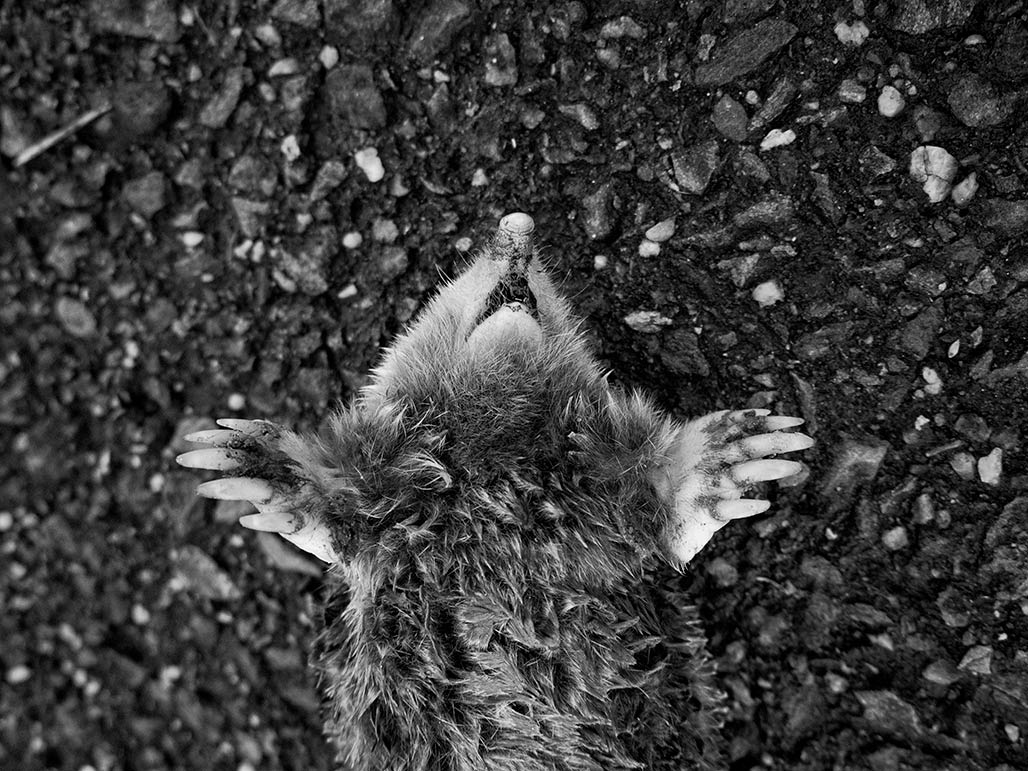
A mole’s diet primarily consists of earthworms and other small invertebrates found in the soil, and a variety of nuts. The mole runs are in reality “worm traps”, the mole sensing when a worm falls into the tunnel and quickly running along to kill and eat it. Because their saliva contains a toxin that can paralyze earthworms, moles are able to store their still-living prey for later consumption. They construct special underground “larders” for just this purpose; researchers have discovered such larders with over a thousand earthworms in them. Before eating earthworms, moles pull them between their squeezed paws to force the collected earth and dirt out of the worm’s gut.–Wikipedia
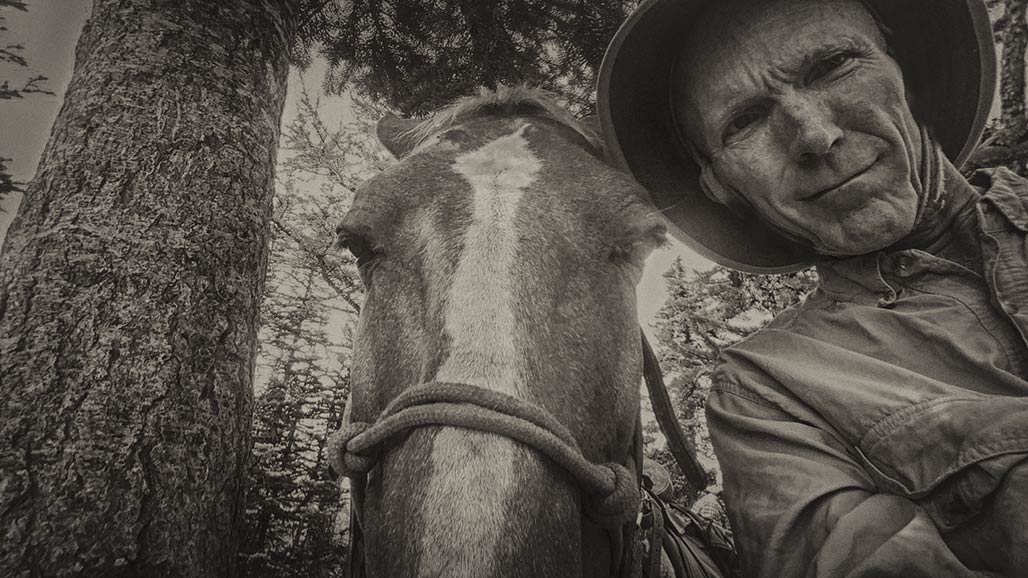
Went up a mountain today courtesy of Walker. There were lots of places where he could have stepped off the path. He didn’t. I swatted mosquitoes and horse flies for him. He did me the favor of keeping us alive.
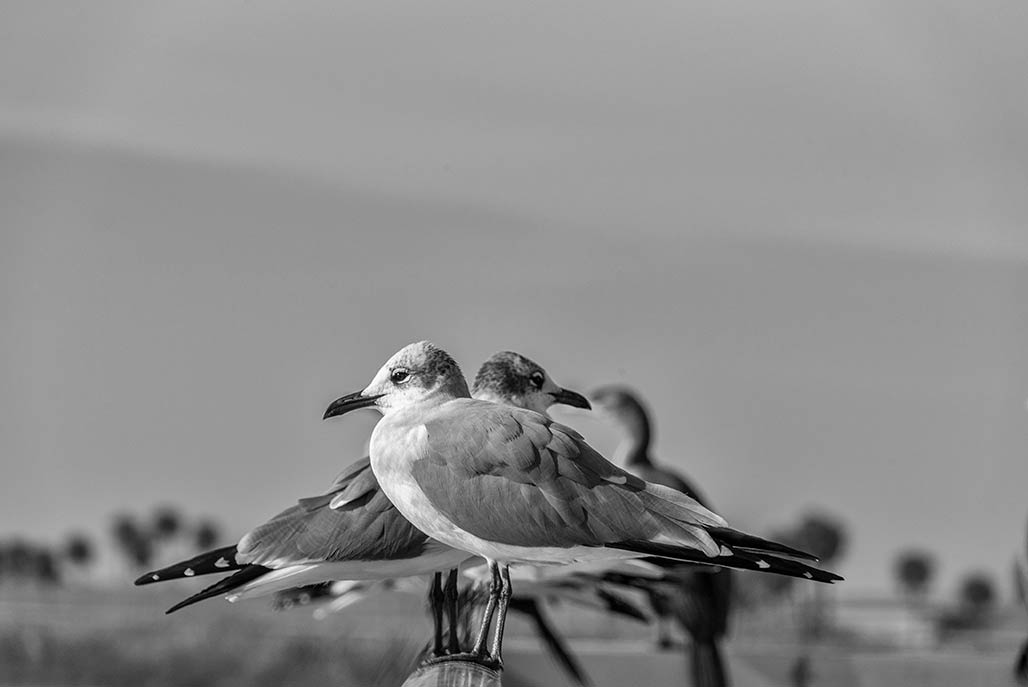
Gulls—the larger species in particular—are resourceful, inquisitive and intelligent birds, demonstrating complex methods of communication and a highly developed social structure.–Wikipedia
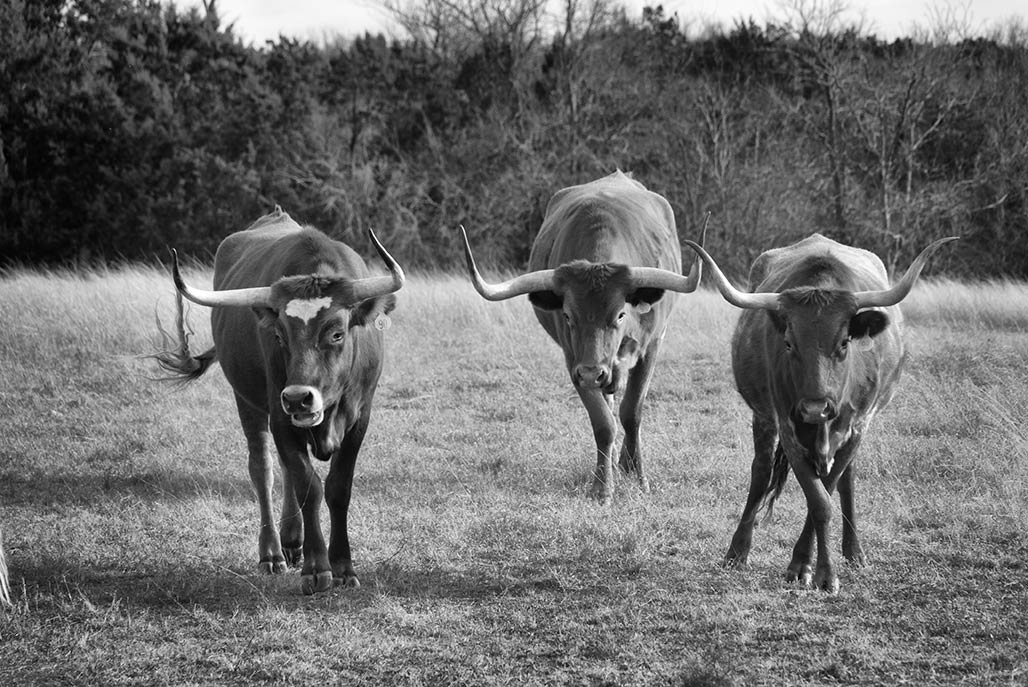
Roamed around Hardway Ranch, northwest of Waco. Beautiful land, beautiful cattle. The Texas Longhorns are direct descendants of the first cattle in the New World.