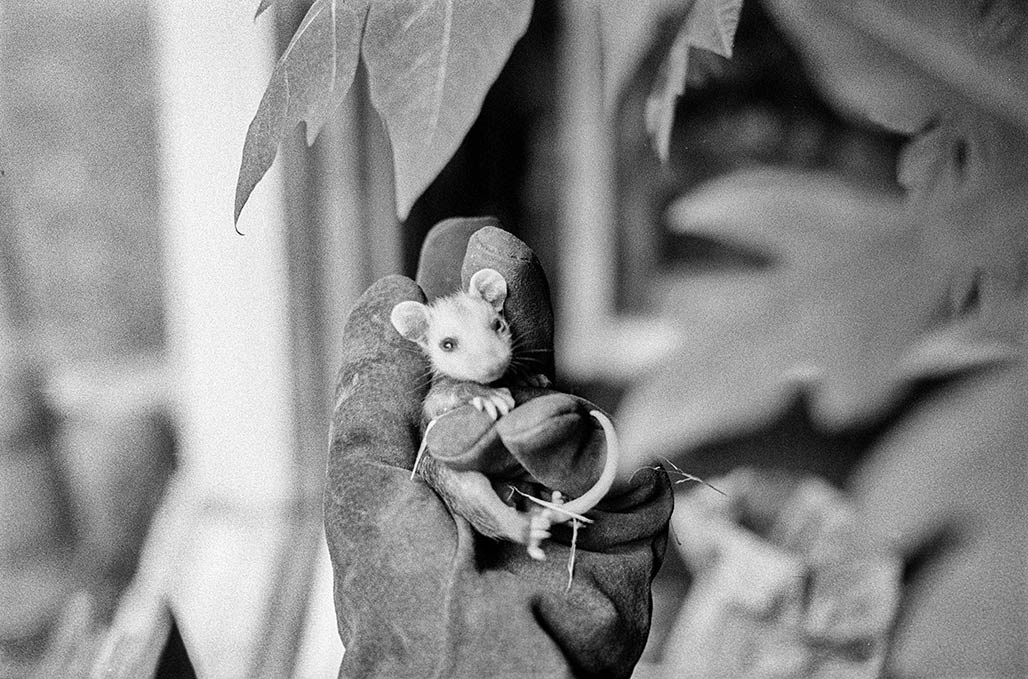
Opossums have 50 teeth, more than any other North American land mammal.
Opossums have 13 nipples, arranged in a circle of 12 with one in the middle.
An early description of the opossum comes from explorer John Smith, who wrote in Map of Virginia, with a Description of the Countrey, the Commodities, People, Government and Religion in 1608 that “An Opassom hath an head like a Swine, and a taile like a Rat, and is of the bignes of a Cat. Under her belly she hath a bagge, wherein she lodgeth, carrieth, and sucketh her young.”–Wikipedia
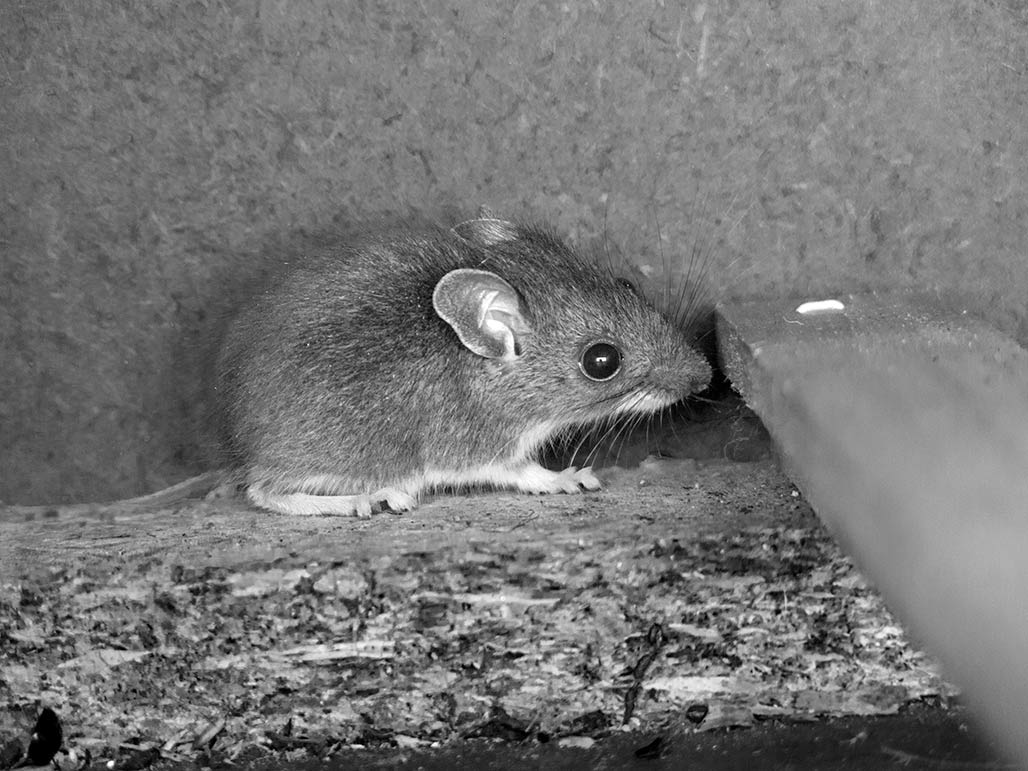
I encountered four very quiet juvenile mice in the house on Monday. Country mice. Polite. I moved them outside. They have Beatrix Potter to thank for my solicitous response.
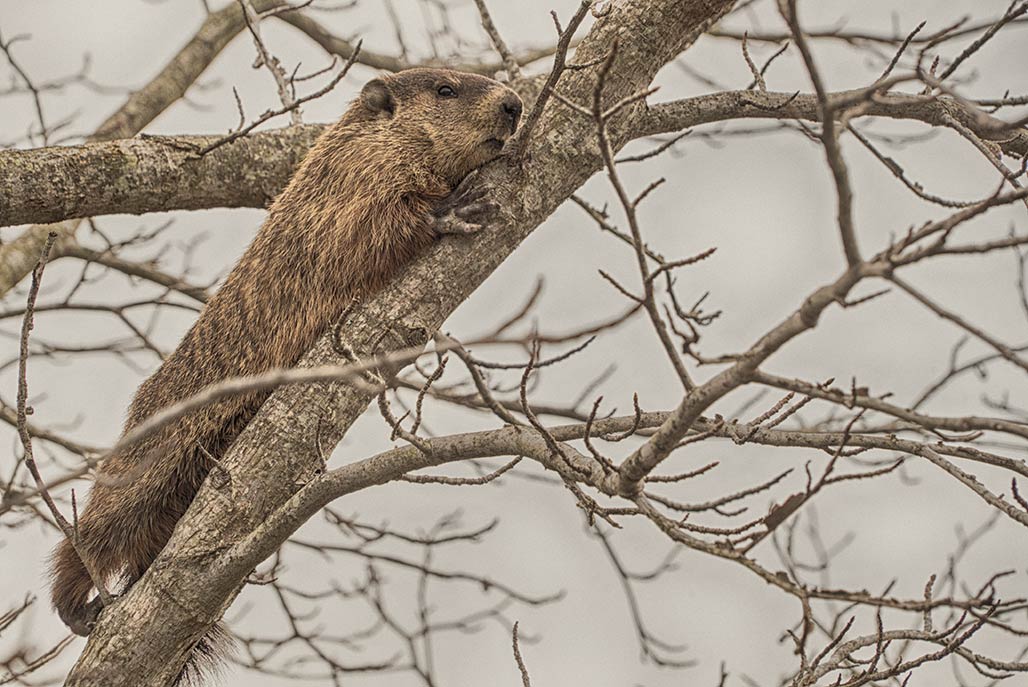
Despite their heavy-bodied appearance, groundhogs are accomplished swimmers and occasionally climb trees when escaping predators or when they want to survey their surroundings.–Wikipedia
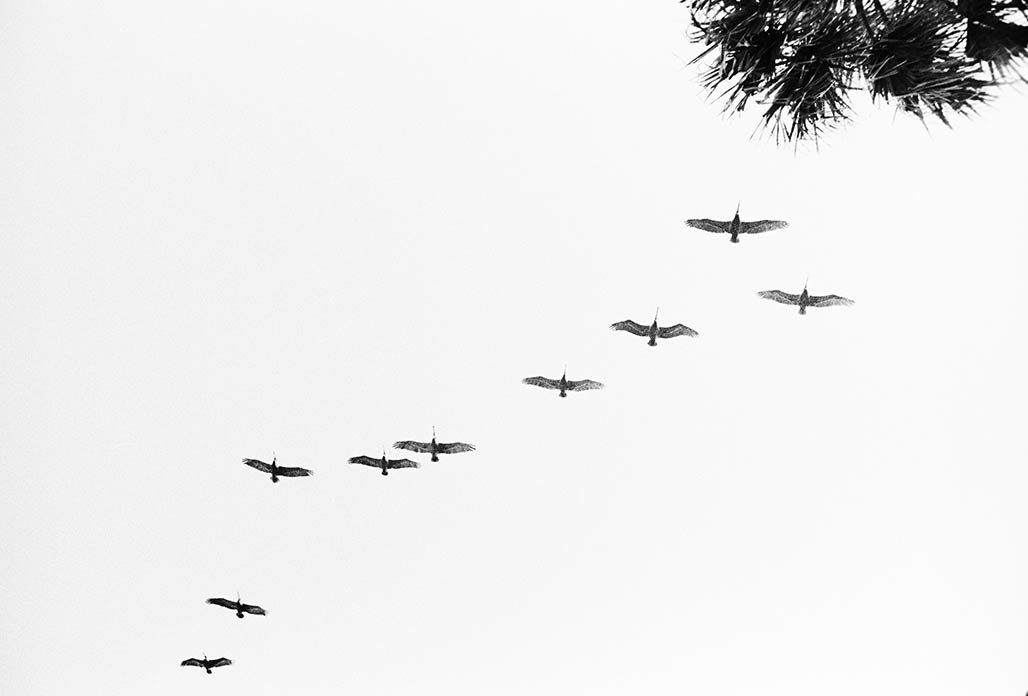
It is found on the Atlantic Coast from Nova Scotia to the mouth of the Amazon River, and along the Pacific Coast from British Columbia to northern Chile, including the Galapagos Islands.–Wikipedia
(western birds, wish smooth sailing to HPE)