lack of water

dying trees

Yellow poplar (Liriodendron) is notorious for shedding many leaves during summer droughts, sycamore (Platanus) sheds some leaves, and buckeye (Aesculus) may shed all of its leaves as drought continues. On the other hand, leaves of dogwood (Cornus) usually wilt and die rather than abscise. If water becomes available later in the growing season, some trees defoliated by drought may produce a second crop of leaves from previously dormant buds. Many times these leaves are stunted.–Dr. Kim D. Coder

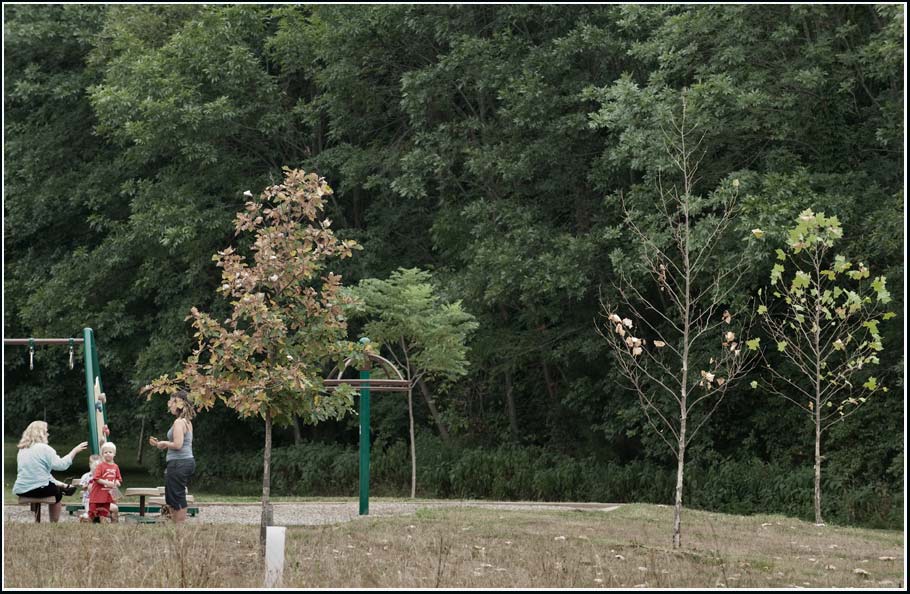
These three trees planted in 2009, a swamp white oak and two sycamores in Riverview Park, need water. Trees are like dogs, or children, if you plant two inch caliper ($100) trees, they have to be cared for until their root systems are established.

According to Dr. Coder’s article these juveniles might still have a chance…
Acer saccharinum

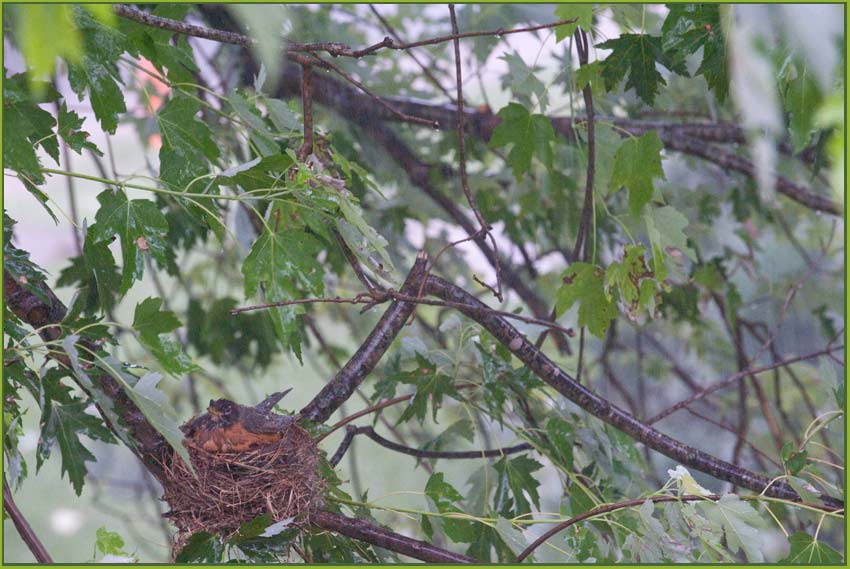
robin on her nest during a thunderstorm
We had a severe thunderstorm in Charlottesville last Thursday. It snapped power poles, uprooted trees.
The robin made this nest in a 120 year old silver maple. The dread silver maple.
Outlawed by municipalities around the country. Experts say it is a weak wooded, weedy, infrastructure trashing tree.
Sure enough, this tree lost limbs, is that weak wooded or smart?
Instead of hanging onto all its limbs and blowing over in one beautiful piece,
it dropped a few limbs and lived.
Sister robin protecting those youngsters. Mommas all right.

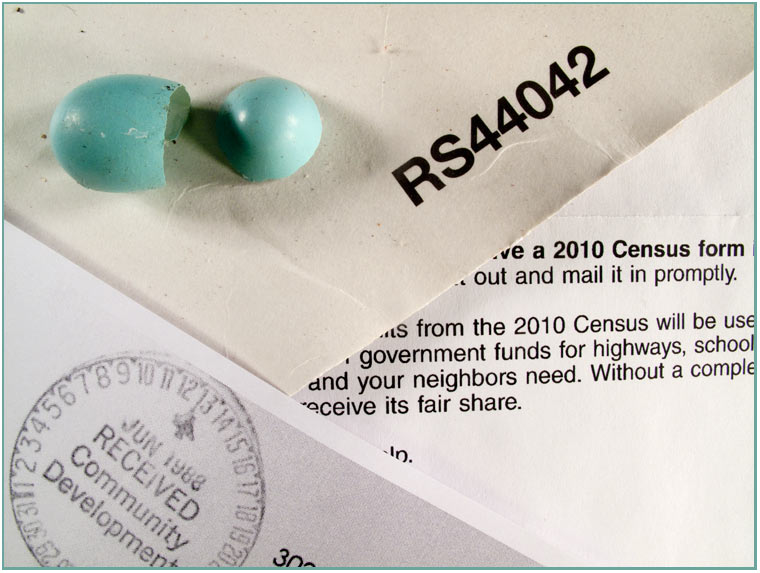
robin egg blue

a robin's egg and some old govt correspondence
Michael Carrithers commented that b&w photos of rust are not entirely informative. I am taking his words as an invitation.
Despite my monochromatic preference (“friends don’t let friends shoot colour”), I am falling off the wagon for a few days, into the chaos and mess, 390 to 750 nanometers.
Blue egg of Robin largely meaningless in b&w would be.

thunderstorm

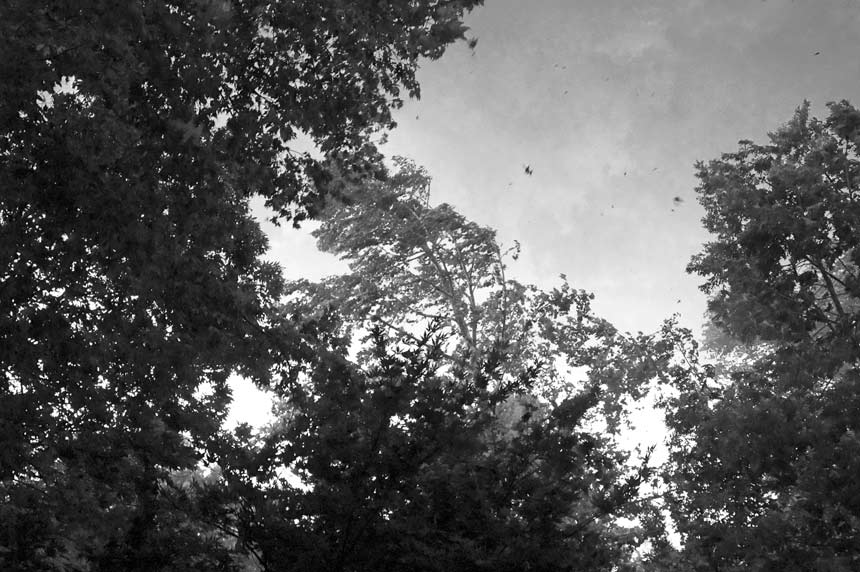
sycamore leaning with the wind
We had a storm yesterday afternoon, cold air falling six miles down out of a cumulonimbus, making for a straight line Dorothy Gale experience. Busted many trees. These trees lean with the wind.
ht ferron, night
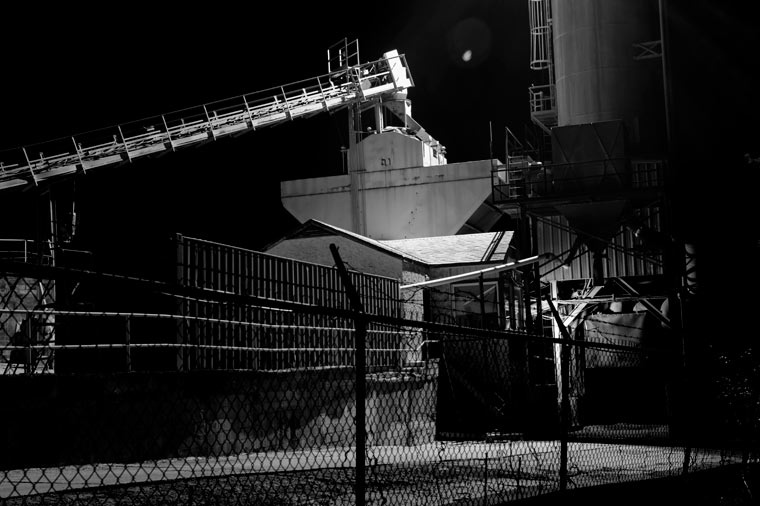
here in the hinterland we run our utilities in the air. It is the cheapest way. Akin to keeping our inventory of used motor parts in the front yard. After a wind, some trees fall on electric lines. The solution? Cut down the trees? We are cheap. If we could run the sewer lines in the air we would...

utilities

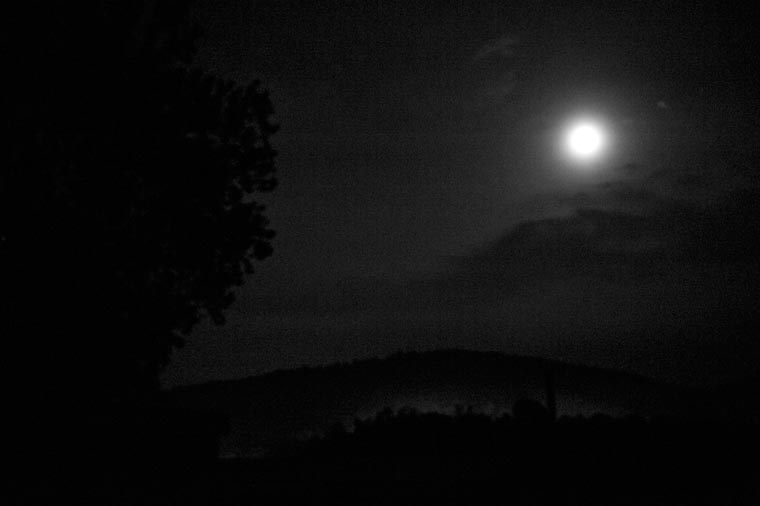
Blessed darkness. Night at night. Nary a streetlight in my part of town. Power lines down. The rise in the distance, Monticello. View from Sunrise Trailer Park.

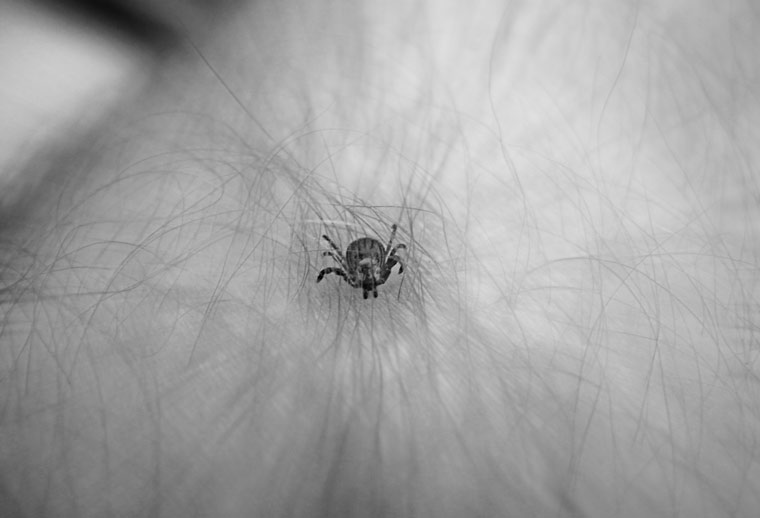
hematophagy

Kingdom: Animalia Phylum: Arthropoda Subphylum: Chelicerata Class: Arachnida Subclass: Acarina Superorder: Parasitiformes Order: Ixodida Superfamily: Ixodoidea
spent a hundred dollars yesterday on pharma products to lessen Sophia's appeal to parasites. Can humans use Frontline? An off-label use?

A tick will attach itself to its host by inserting its chelicerae (cutting mandibles) and hypostome (feeding tube) into the skin. The hypostome is covered with recurved teeth and serves as a hammer.Wikipedia on ticks…

Gulf oil


John M. Greer discusses magical thinking and the BP spew. He answers a question that I, former repair plumber, have been asking. The pressure of the oil/gas, 13,000psi. One other pressure question, water pressure at 5,000 feet?

Meanwhile, pressure in the well continued to rise Monday, albeit slowly, reaching 6,811 pounds per square inch, Allen said in the late afternoon. He said the pressure was rising about one pound per hour.

This, too, has triggered debate among BP and U.S. officials, who had expected the pressure to hit 8,000 psi and who thought that lower pressure readings would be a sign that oil and gas was leaking into rock formations through damaged well equipment. But because of the steady increases in pressure, BP and government scientists are wondering whether so much oil and gas had been spilled already that the pressure in the partly depleted reservoir has been reduced.–WaPo 7/20/10