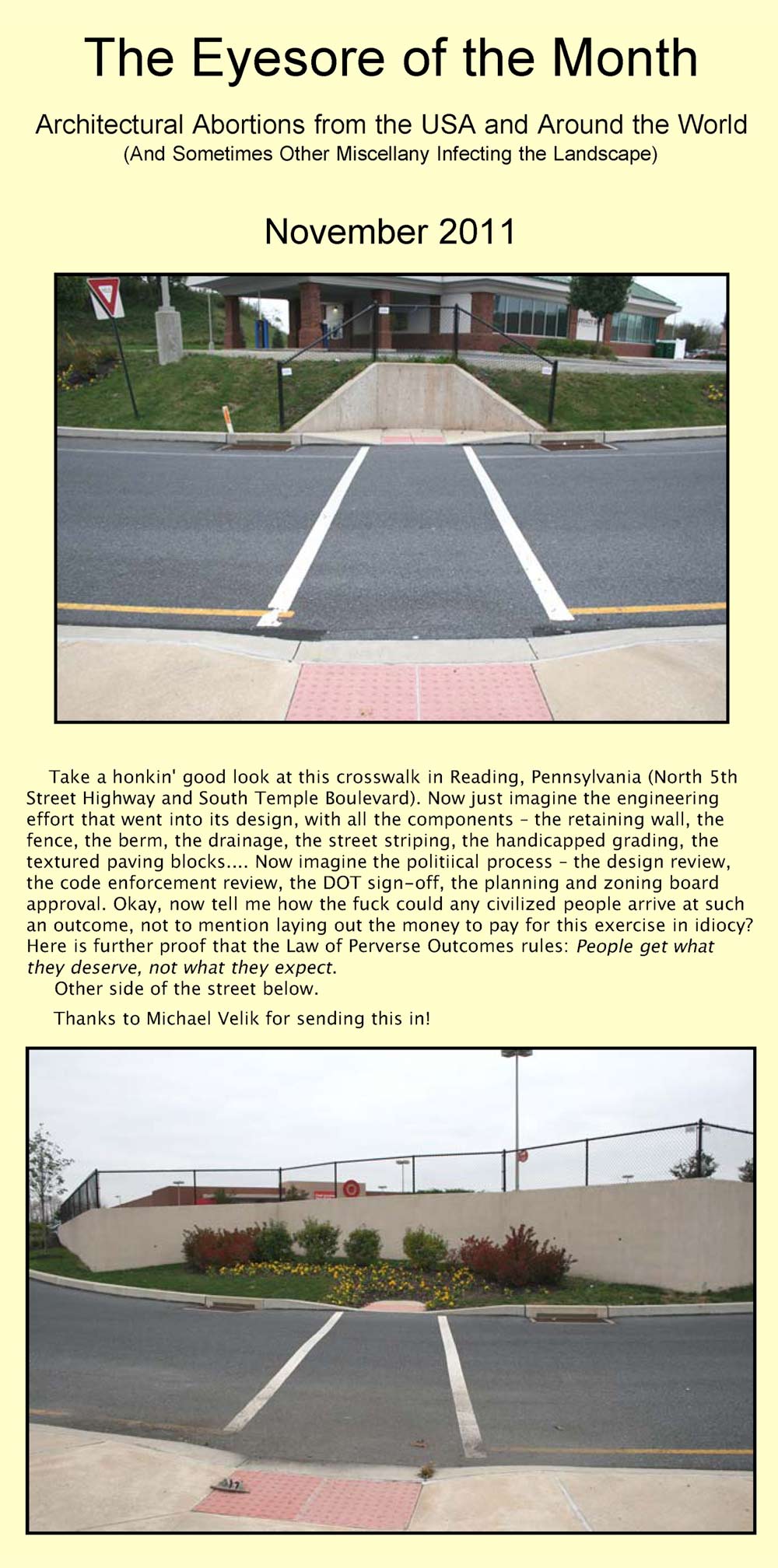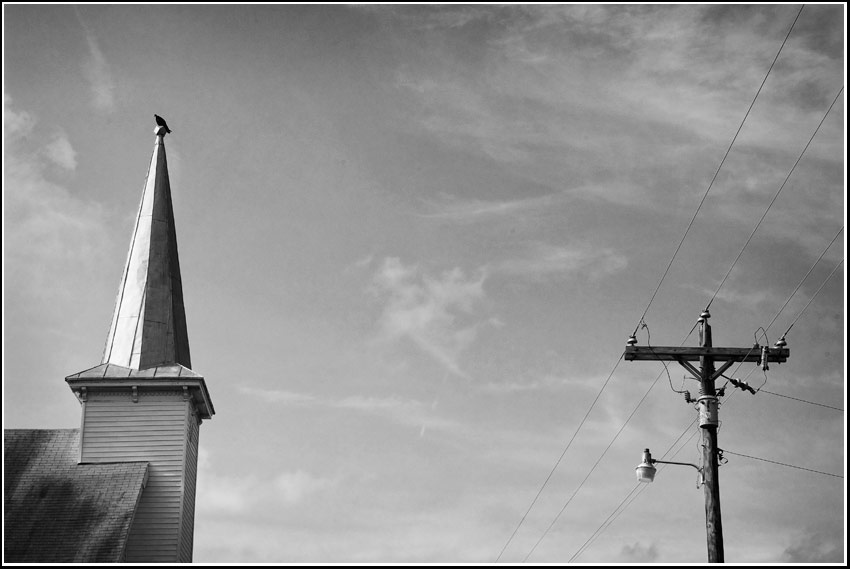
roadside, Lancaster County, Virginia
Category: architecture
Individually Protected Property
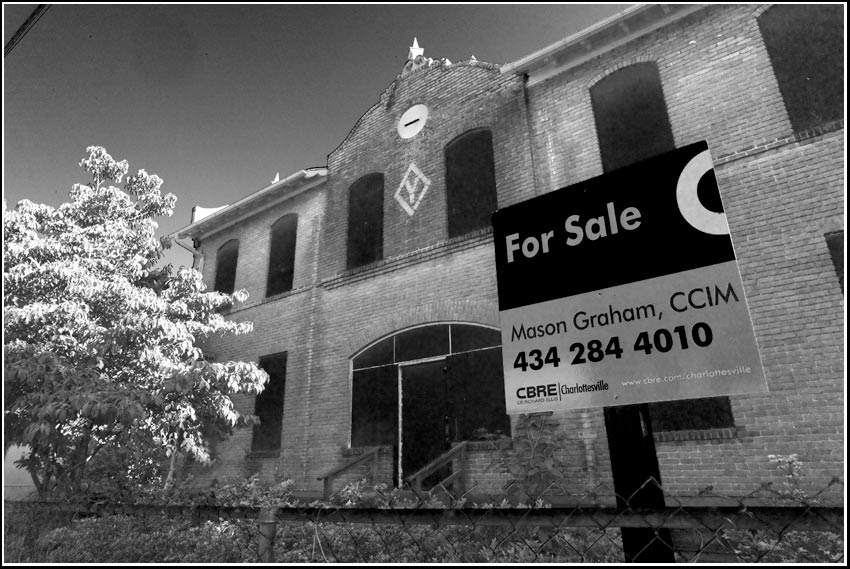
J.S.YOUNG & CO. OFFICE BUILDING ARCHITECTURAL DESCRIPTION
The Young Building is the only example of the Jacobean Revival style in Charlottesville. The basic form of the
building is that of a 2-storey, 5-bay, single-pile structure with a rear addition of nearly equal size. The high
foundation is covered with concrete up to the water table. The walls are veneered with brick laid in stretcher bond.
There are comer quoins of rusticated brick and a projecting string-course. The main block of the building has a
medium-pitched gabled roof, covered with composition shingles, with deeply projecting eaves and decoratively
shaped rafter ends. The great Jacobean gables at the ends of the main block and over the central bay of the facade
are topped with metal finials. The central gable also has metal scroll cresting. A circular attic window in each gable
has been closed. There are two small interior chimneys. Widows are double-sash, 4-over-1 light, jack-arched at
the first-storey level and segmental-headed at the second. Basement windows are very short 3-light hinged sash.
There is no indication, either architecturally or on the Sanbom maps, that the building ever had any sort of entrance
porch, although there was undoubtedly something more formal than the present concrete steps that lead directly up
to the central entrance. The door is flanked by narrow 9-light casement windows, and all have transoms set under
a single segmental arch. Above the entrance, the central bay of the facade projects slightly and is crowned by a
Jacobean gable. This wide bay has two windows with a decorative brick diamond with a “Y” between them. The
hipped-roofed addition covering most of the rear elevation appears to be original and matches the main block in
all details, lacking only the Jacobean gables.–SURVEY OF 18 NATIONAL REGISTER PROPERTIES
AND PROPOSAL FOR LOCAL DESIGNATION Charlottesville Virginia July 1993
Ix
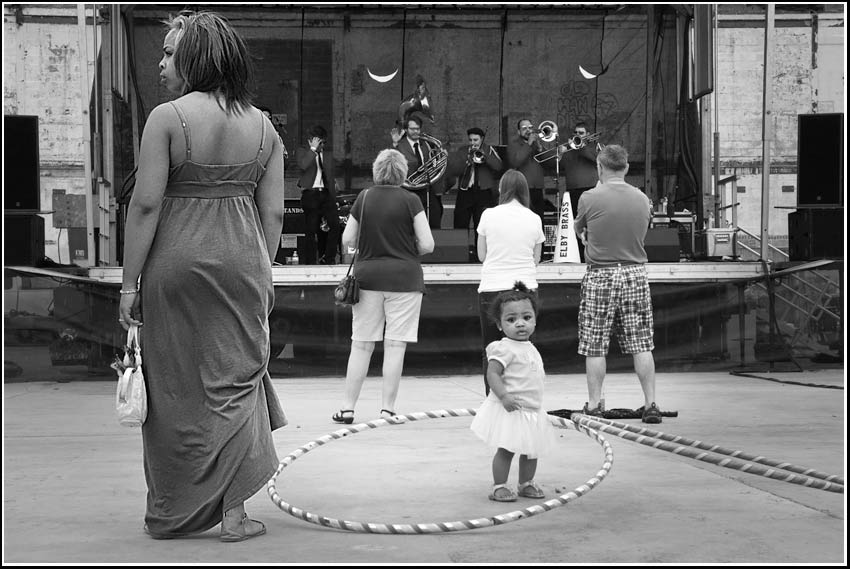
The Elby Brass Rock-Marching Band performs at the Closing Day Gala of the Tom Tom Founders Fest.
parking
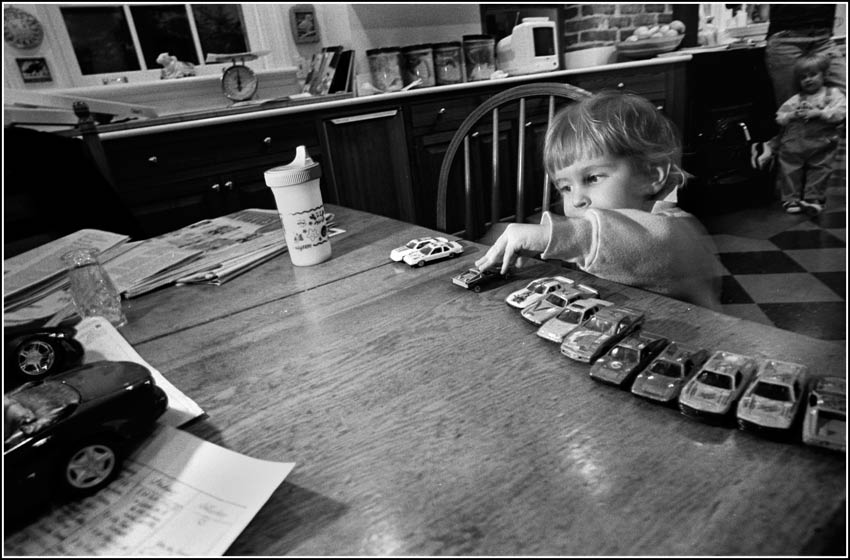
Div’s early interest in architecture was expressed in an attempt to park the cars within the confines of the building site.
Eugene Bradbury
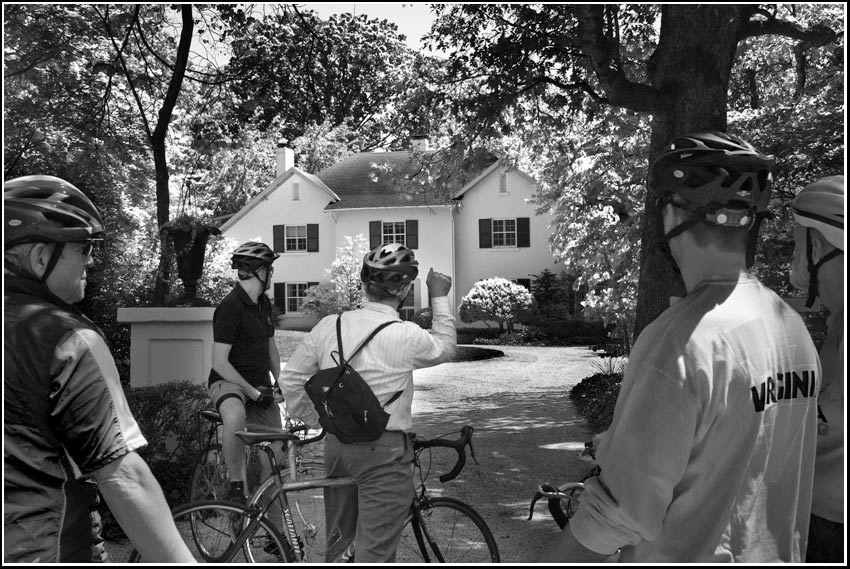
U.VA professor Daniel Bluestone discusses residential and commercial architecture during a bicycle tour of the Venable and Rugby neighborhoods Sunday afternoon (7* miles, 24+ cyclists).
Along the way Bluestone pointed out surviving structures by architect Eugene Bradbury. This the Archibald Randolph Residence, c. 1910
Star City
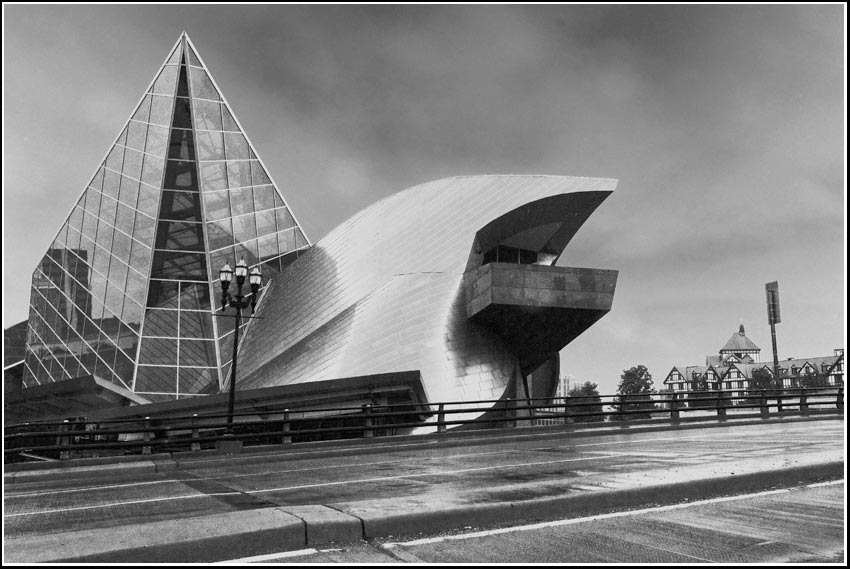
Went west of Afton Mountain. Traveled to Roanoke with my friends from the Hook for the Virginia Press Association’s annual awards dinner. Hook staff won lots of prizes.
Stayed next-door to this building. The stay was less than 24 hours. Suffered no ill-effects.
(The Taubman Museum was designed by someone familiar with Frank Gehry’s designs).
big tent
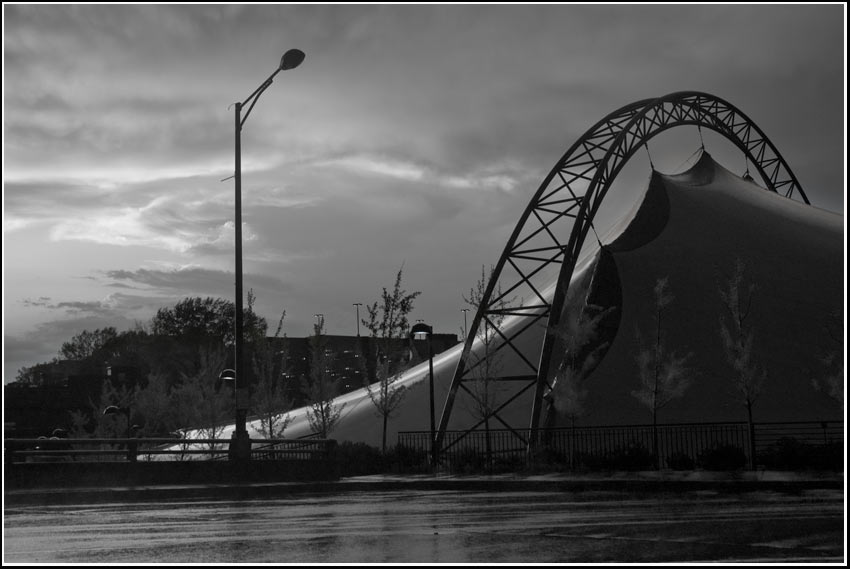
T-storms rumbled through town yesterday afternoon. Pictured above the big tent that ate the view of the mountains from CHO downtown.
Locust Avenue
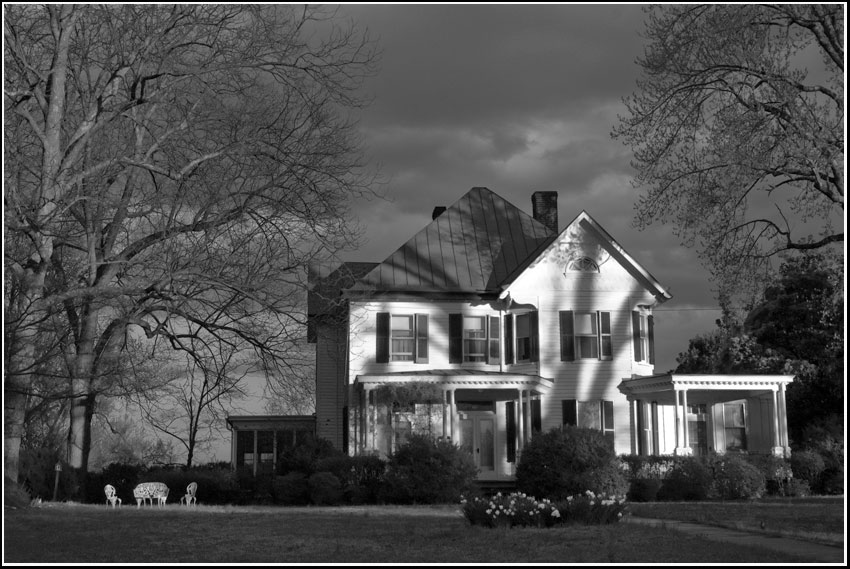
The Michie-Morris House is named for its initial owner, Hay Watson Michie, who built the house in 1898. Michie was the wife of G. R. B. Michie, an investor in the Locust Grove Investment Company, and purchased the property before the area was platted by the development company. After the Michies moved to The Farm in 1909, they sold this house to the Morris family.
day of rest
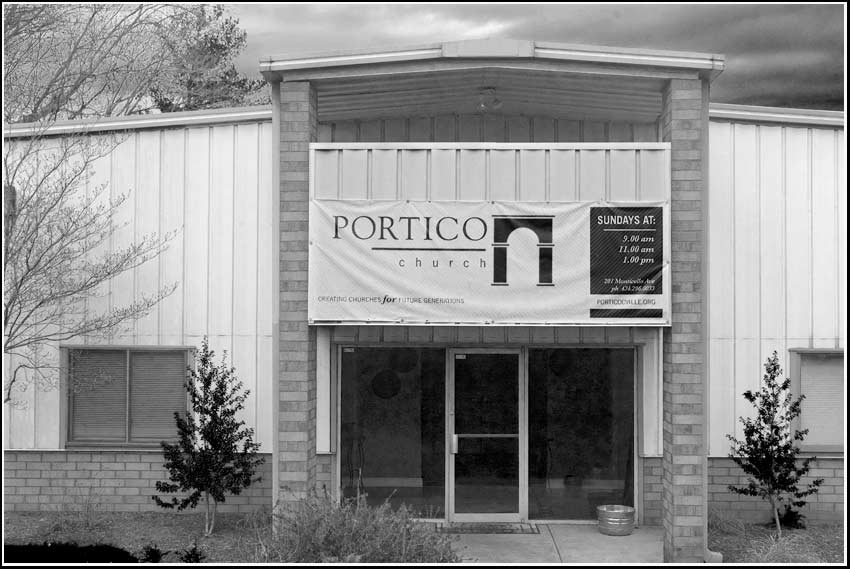
“Again, I tell you that if two of you on earth agree about anything you ask for, it will be done for you by my Father in heaven. For where two or three come together in my name, there am I with them.”–Matthew 18:19-20
Urban Design
Our City is currently involved in several urban design discussions simultaneously.
Are cities gender neutral? Our city, being Charlotte’s Ville. Maybe she can multitask. Talk about redesigning her central park and her bridge downtown and not cut off the wrong leg by mistake.
I have missed the bridge-design events & discussion. Watching the video by Dan Bluestone and Brian Wimer has me playing catch-up.
Why do we allow our bad things to happen to our cities? Why do we allow our cities to be designed by autos and fire engines?
Jim Kunstler talked a bit about the Law of Perverse Outcomes in his November 2011 “Eyesore of the Month”.