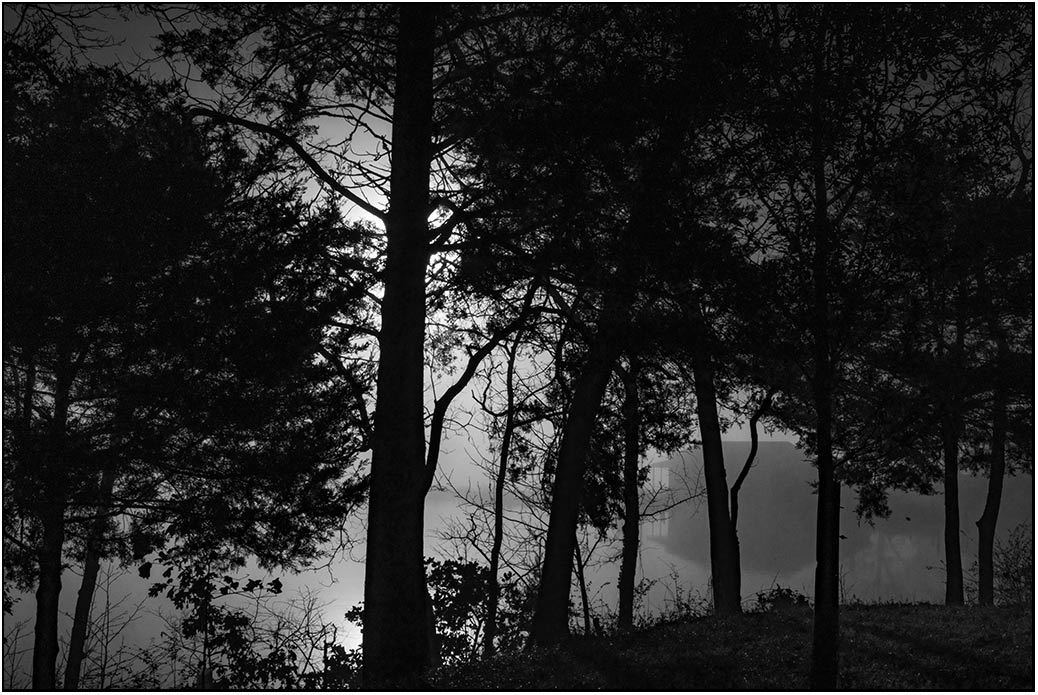
edge of morning edge of water
photography from the Chesapeake Bay watershed by Bill Emory

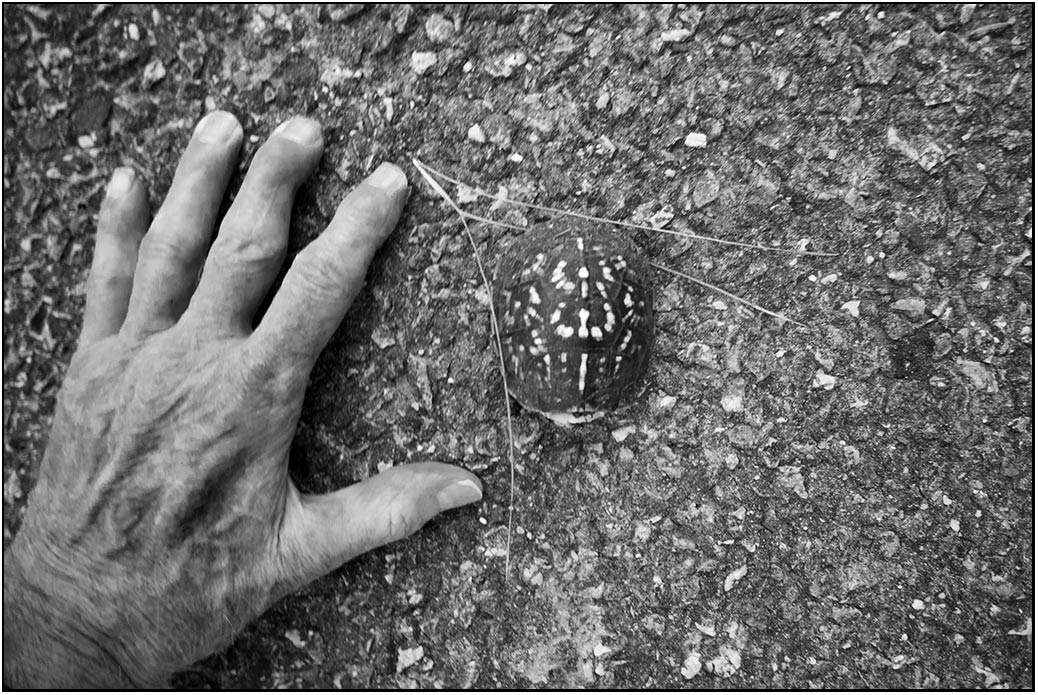
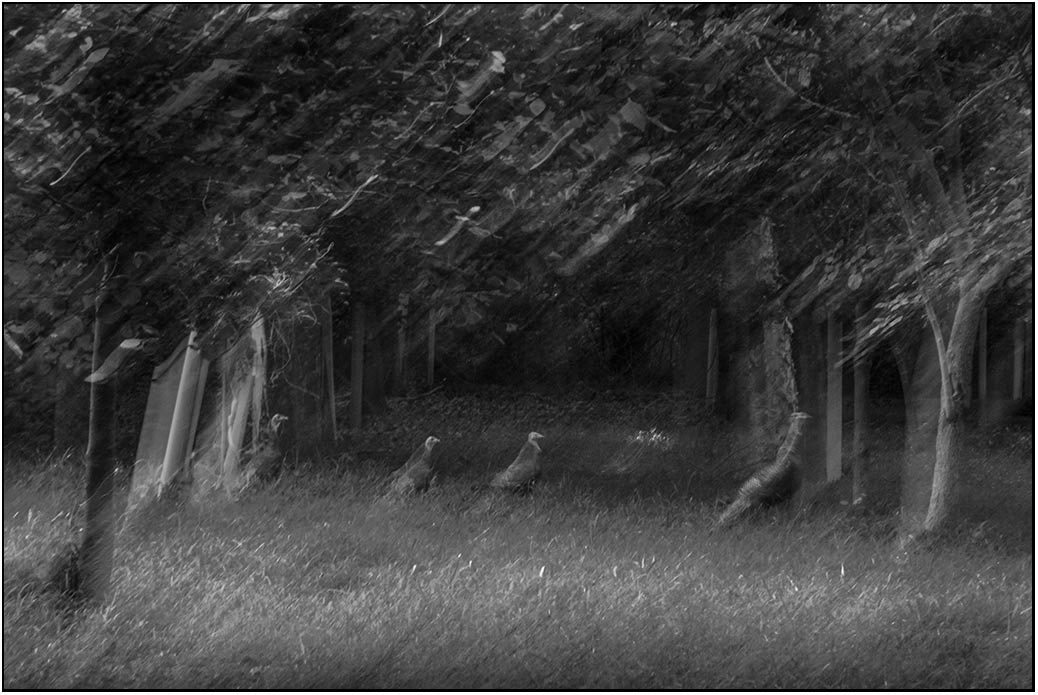
On Martha’s Vineyard turkeys stroll through neighborhoods. In Virginia turkeys are hunted, people are not their friends, they tip-toe, staying alive.
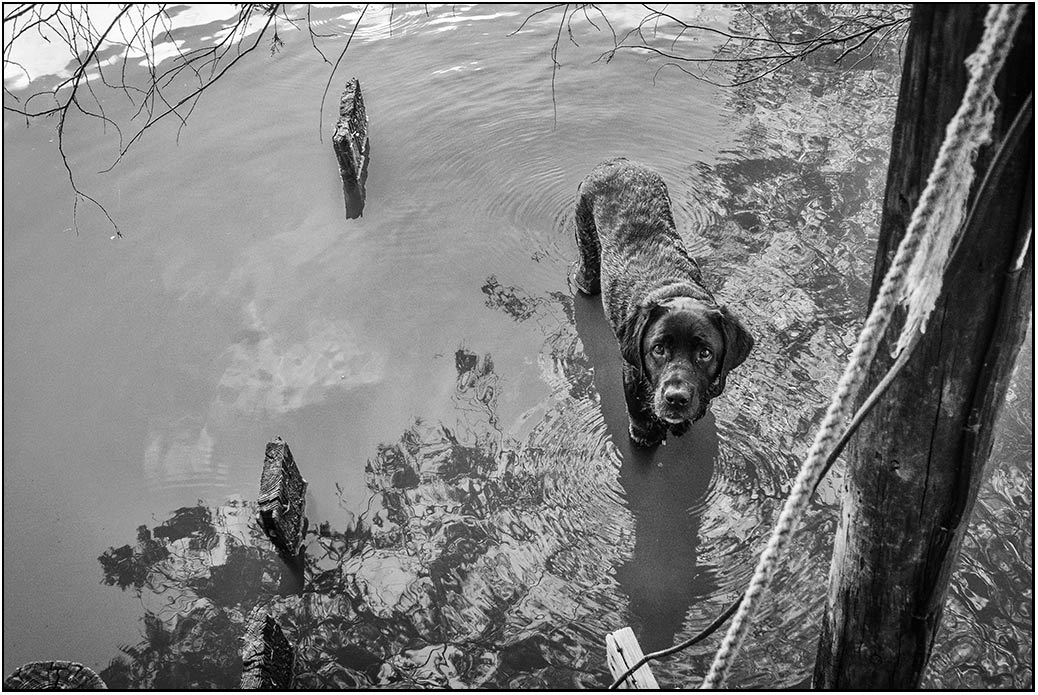
Food, people, other dogs, water
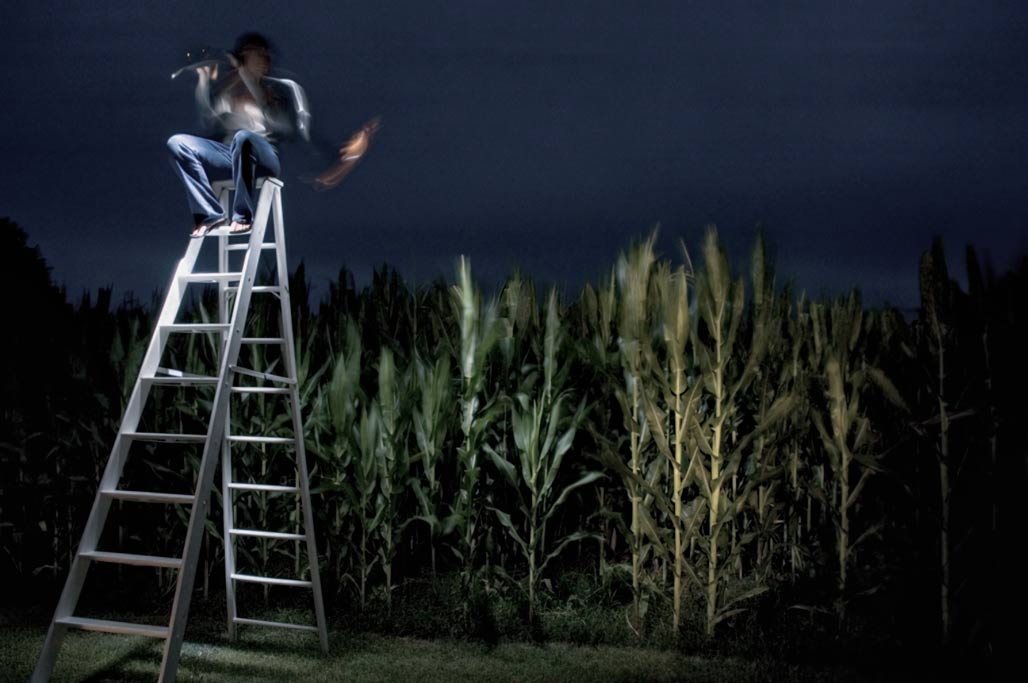
Thousands of U.S. patents have been granted specifically for corn hybrids.
Tracking data for field corn hybrids shows roughly:
– 1986–1995: 8
– 1996–2005: 167
– 2006–2015: 1,377
– 2016–2025:1,855
This totals on the order of 3,400–3,500 hybrid patents issued to date. Utility patents on hybrids became available after key 1980s rulings and have grown dramatically.
Corn grows around the clock. At night, and stem/height elongation is often notable. Classic observations (and modern work on the “evening complex” of proteins) show that many plants, including corn and related grasses, put on significant height growth in the hours after dusk and toward dawn when the internal clock and lower evaporative demand allow cell expansion.
A single corn stalk/plant typically transpires on the order of 10–15 gallons of water over its life. Older literature sometimes cited higher figures (up to ~50+ gallons under different assumptions or longer seasons).
(So sayeth grok)
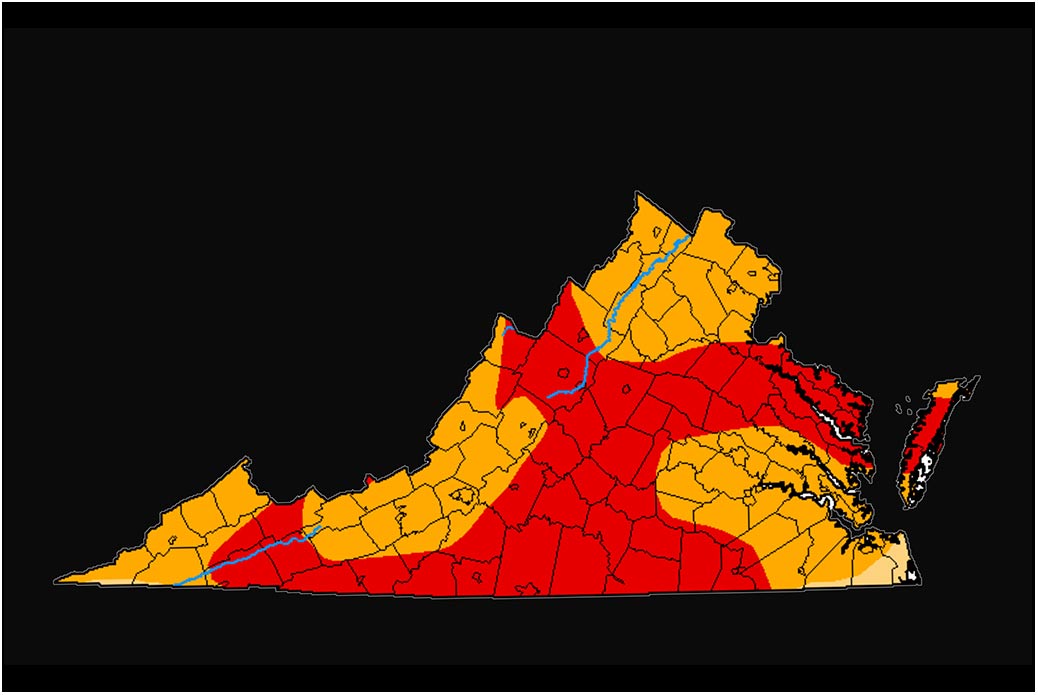 Its been a dry spring in Virginia. Limited April showers have resulted in challenging conditions for plants. I’ve been drip irrigating juveniles in CHO. In the Tidewater there is a group of a few hundred adolescent trees I look after.
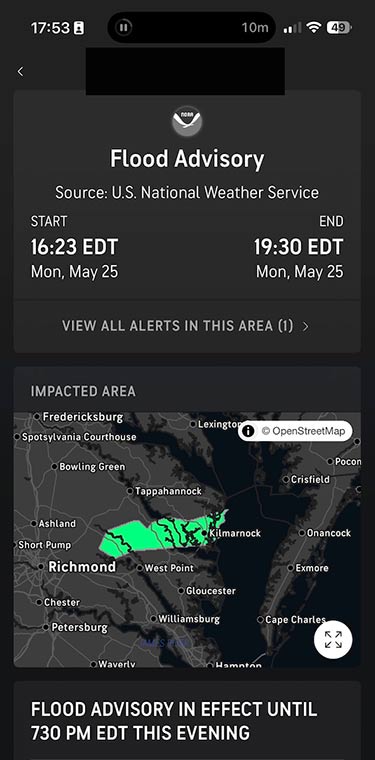 Rain began falling at 1430 hours
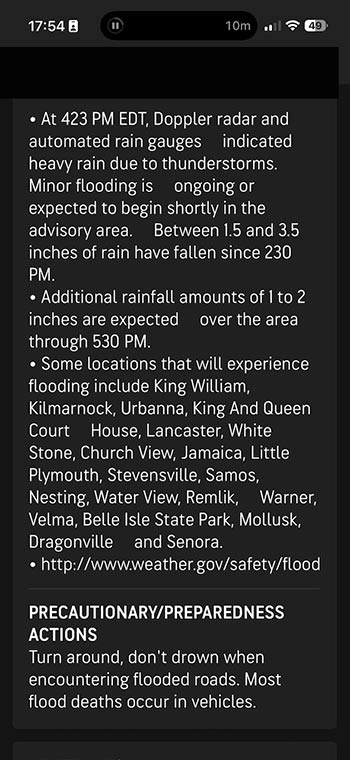 Between 1430 and 1830 six inches of rain came down.
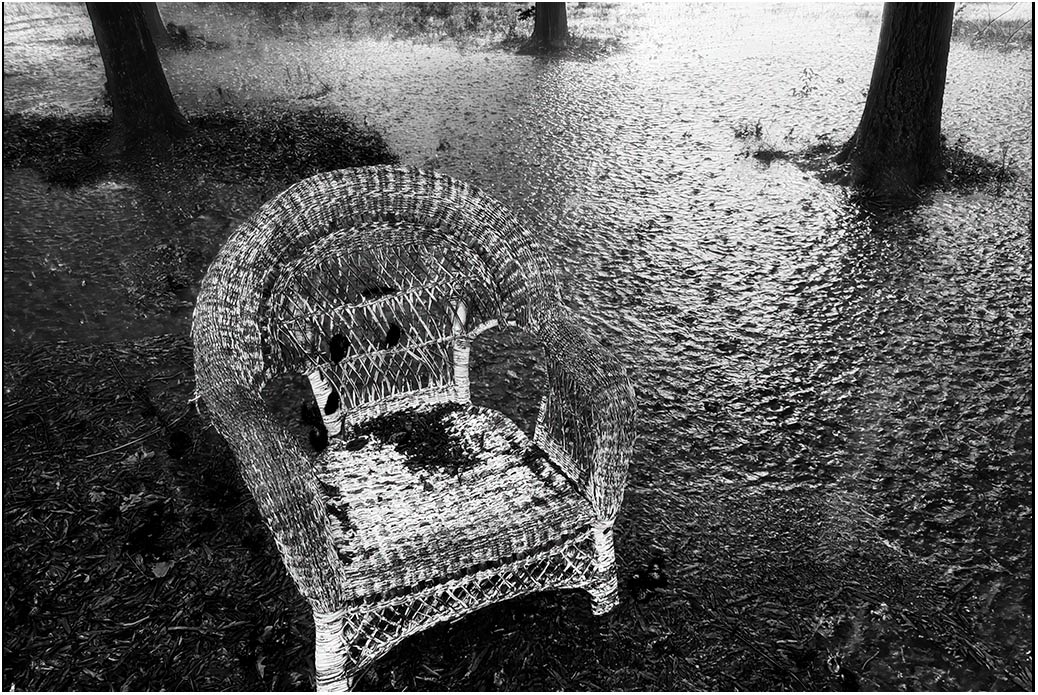 It’s pretty flat in Slabtown.
 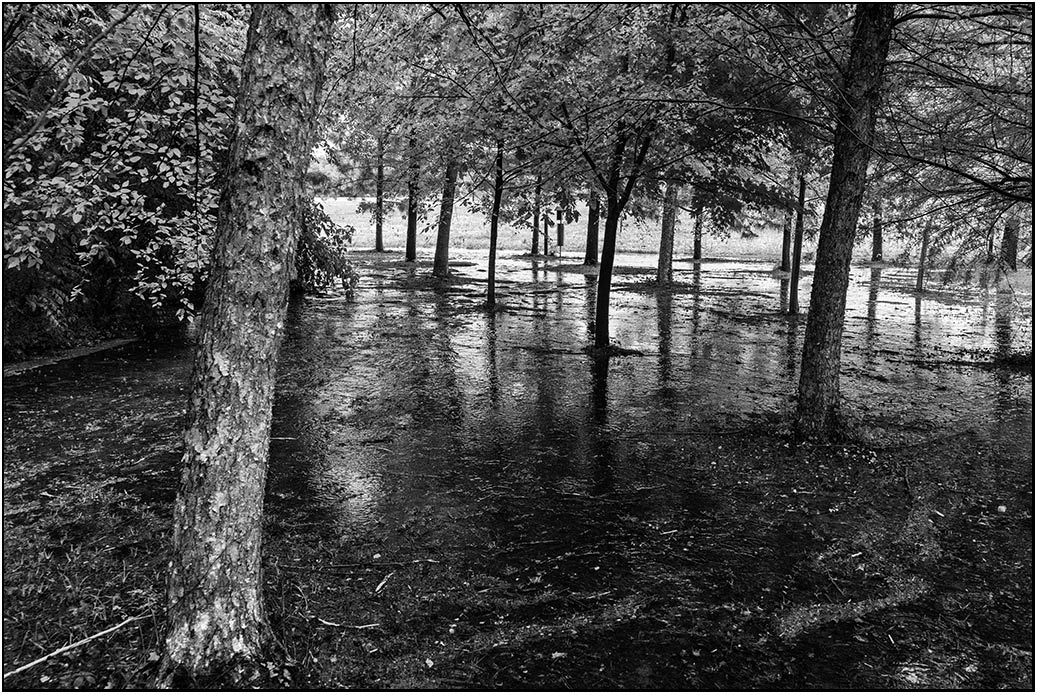 takes awhile to soak in
 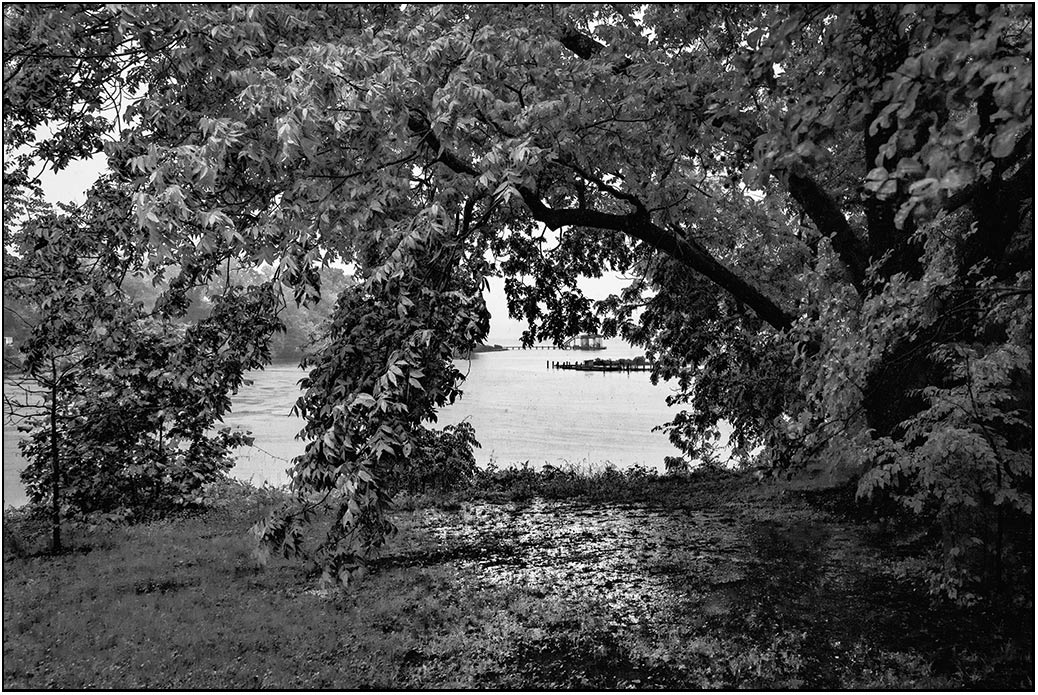 sheet flow in the yard

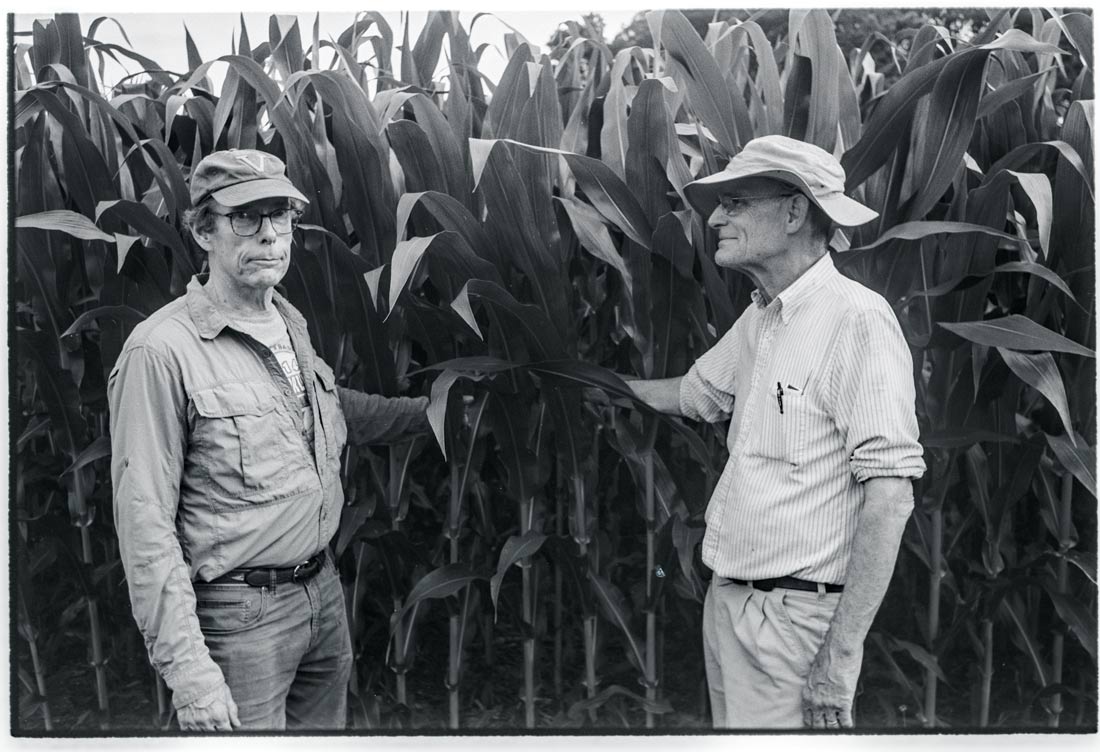



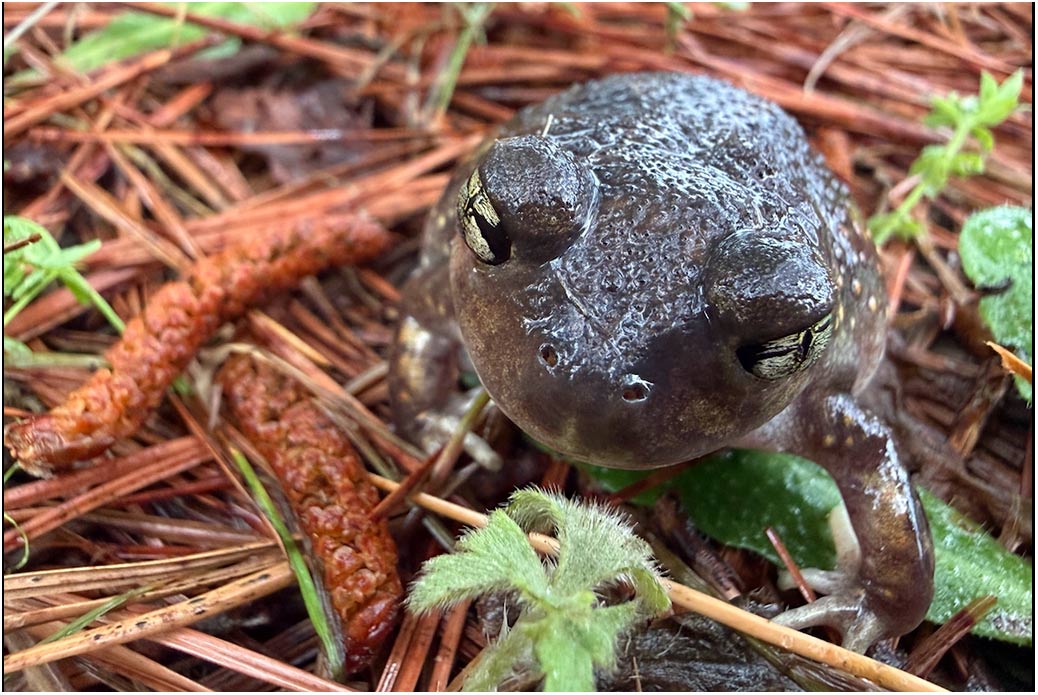 all things wet and wonderful