agency

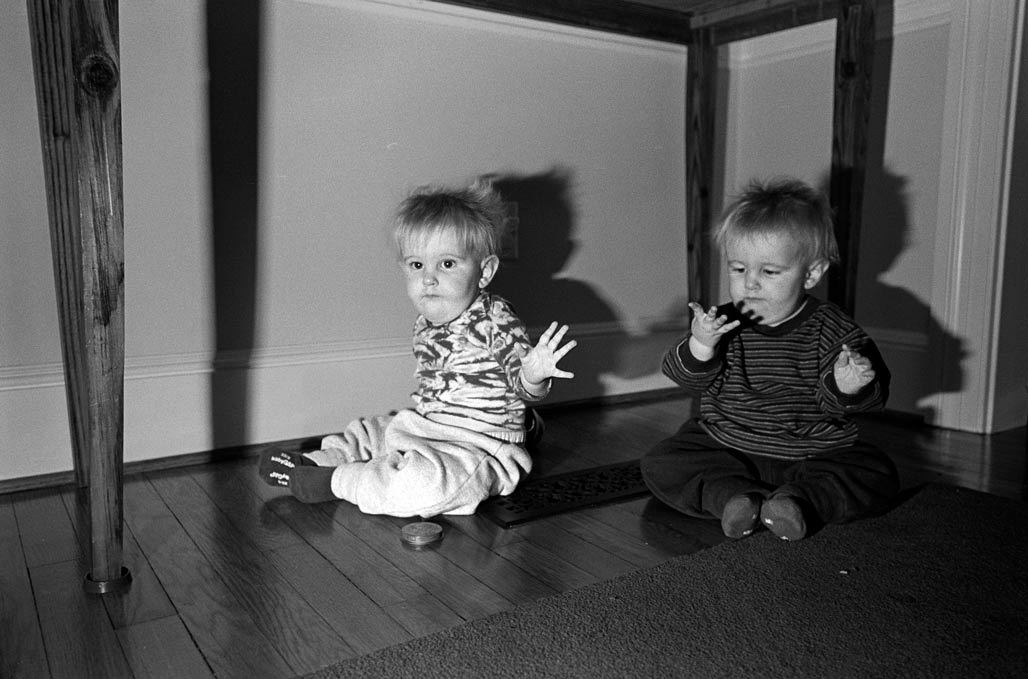
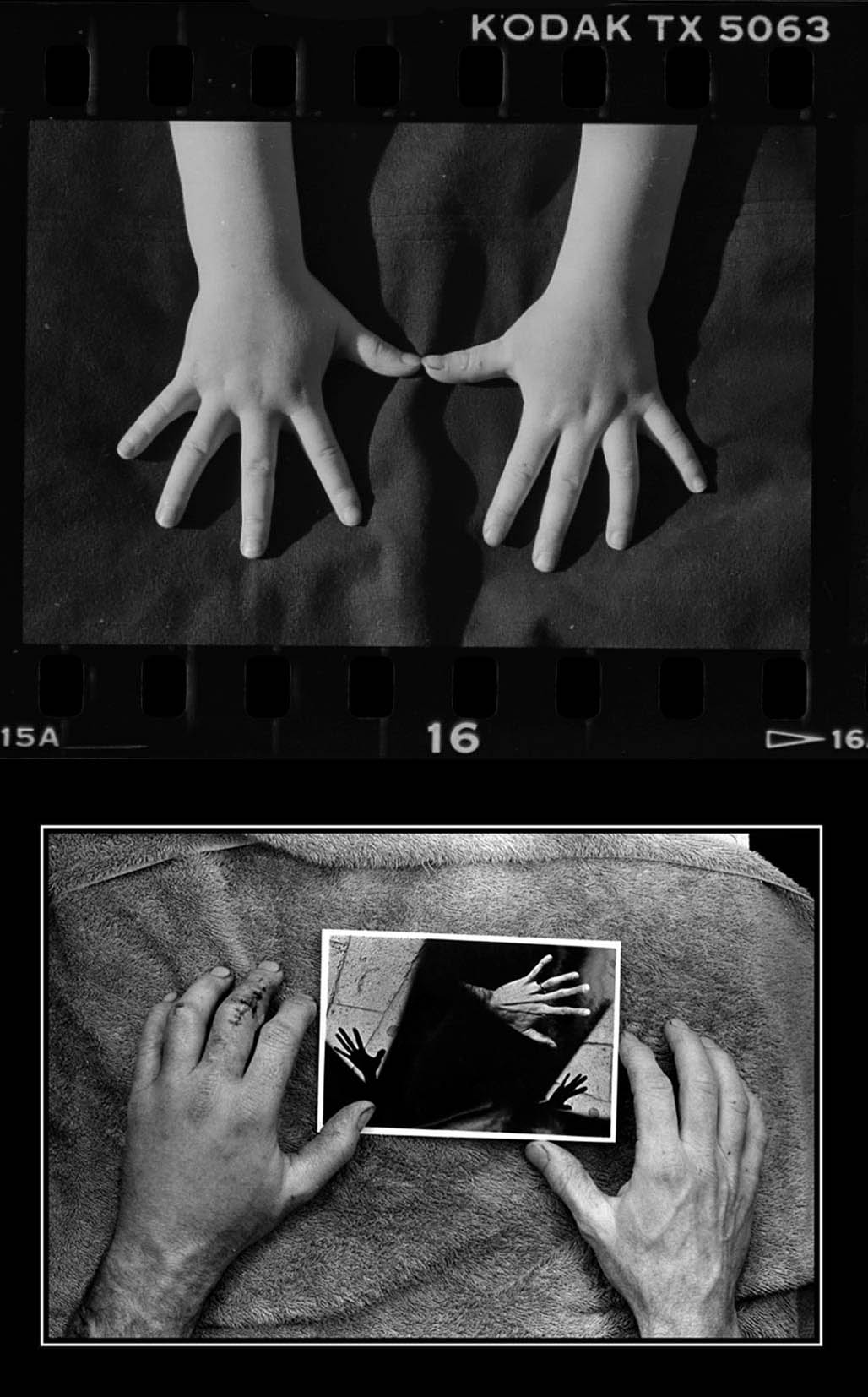
twins, looking at their hands
Thinking, planning, taking action. Hands are a final link in the chain.

The photograph titled **”agency”** is a black-and-white image by photographer **Bill Emory** (who publishes under the name WmX). It was posted to his blog on February 25, 2026.

### **Subject and Composition**

The image depicts **twins** (as noted in the alt-text/description) or two young brothers focused intently on their hands. The caption for the photograph reads:

> *”Thinking, planning, taking action. Hands are a final link in the chain.”*

The file name, `ch880a1-02-boyz-examine-hand.jpg`, confirms the subjects are boys examining a hand. The photo is part of a body of work categorized under themes like “bipedal,” “brothers,” and “parts.”

### **Context and Photographer**

* **Location:** The photograph is part of Emory’s collection of photography from the **Chesapeake Bay watershed**.
* **Artistic Style:** Bill Emory specializes in black-and-white film photography. He describes his work as “chasing shadows,” a pursuit he began in 1968.
* **Themes:** His work often explores the human condition, agrarian traditions, and the local history of the Charlottesville and Woolen Mills area in Virginia.

The title “Agency” combined with the caption suggests a philosophical look at the transition from thought and planning to physical action, represented by the hand as the tool that executes the will.–Gemini

Bill Emory’s post features a black-and-white photograph of two toddlers on a wooden floor, captured in a candid moment of play with elongated shadows from a table leg, showcasing his mastery of natural light and monochrome tones for intimate domestic scenes.
A Charlottesville-based photographer with over 50 years of experience, Emory draws from Virginia’s Chesapeake Bay watersheds for his work, as seen in publications like Street Photography Magazine and The Sun, where he explores themes of memory, transience, and human bonds through everyday subjects.
The image subtly nods to vanitas motifs—innocence amid fleeting shadows—aligning with Emory’s recent X shares of surreal still lifes and heartfelt captions, inviting viewers to reflect on childhood’s unscripted joy in a wired world.–Grok

64721

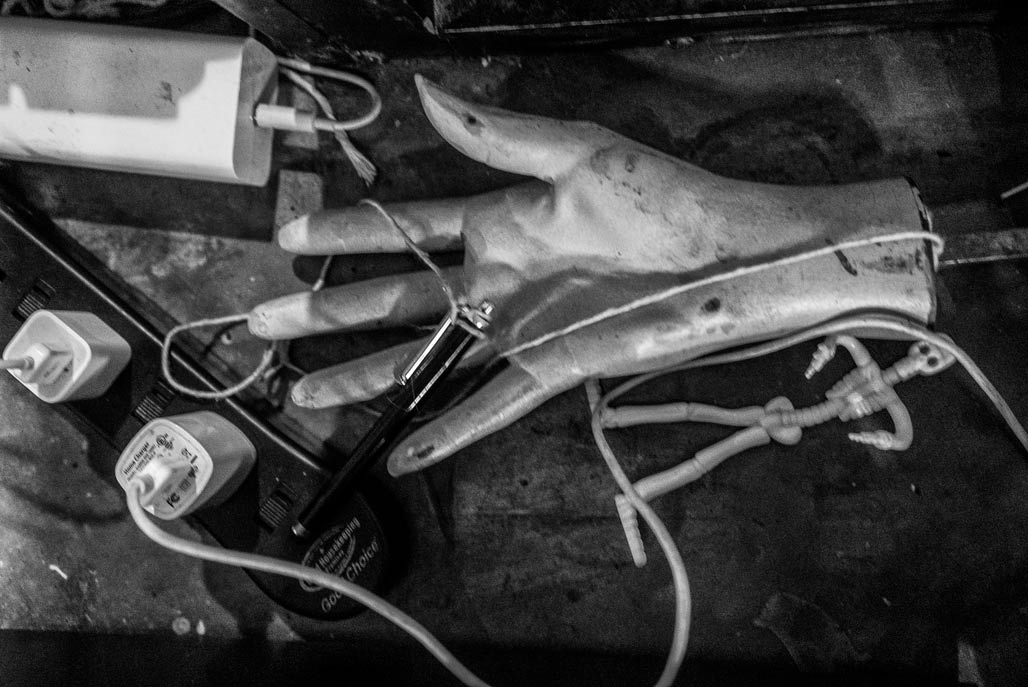
wires transformers mannequin hand
I’ve been dreaming about hands

Bill Emory’s post shares a black-and-white still life photograph of a severed mannequin hand tangled in electrical cords and plugs on a worn workbench, creating a surreal commentary on human disconnection in a wired world.
As a veteran photographer with over 50 years of experience, Emory specializes in introspective black-and-white imagery from Virginia’s Chesapeake Bay watersheds, as featured in outlets like Street Photography Magazine and The Sun.
The composition echoes classic vanitas themes—mortality amid mundane objects—while subtly critiquing technology’s entanglements, consistent with Emory’s essayistic explorations of everyday transience.-Grok

(vanitas-a still-life painting of a 17th-century Dutch genre containing symbols of death or change as a reminder of their inevitability.)

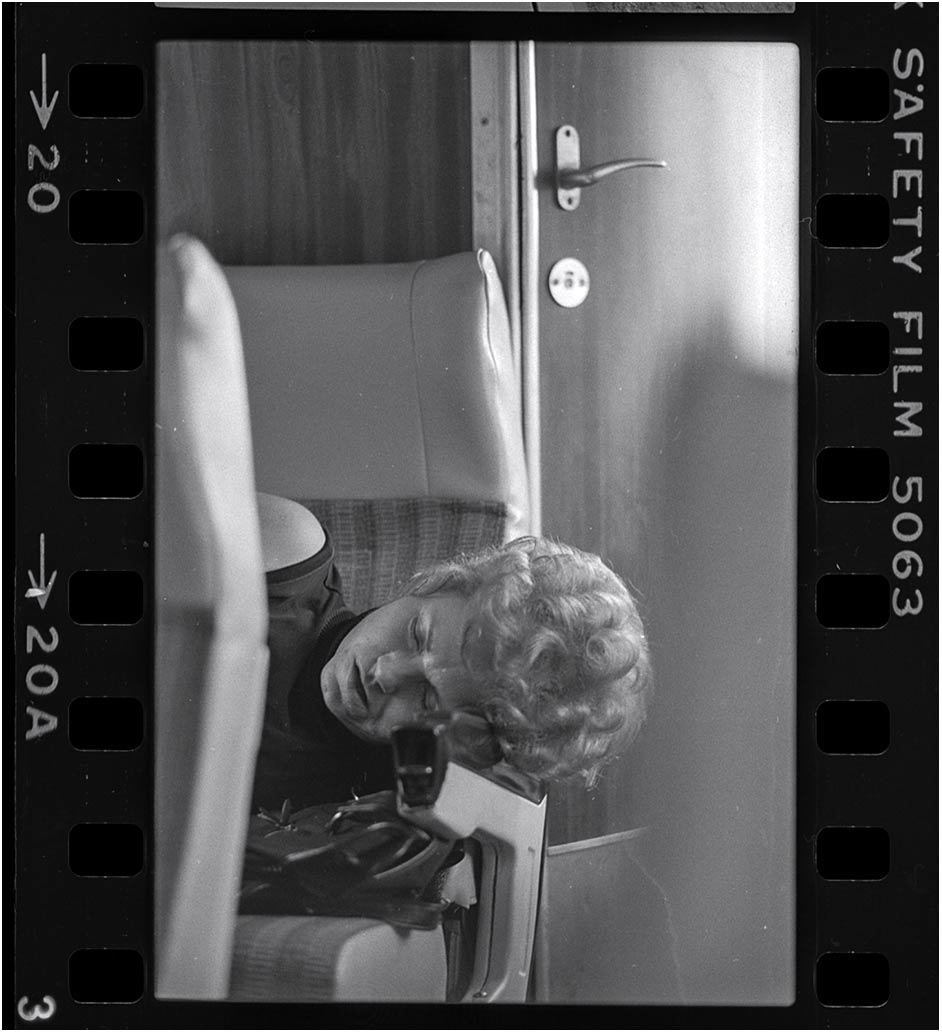
saving the hairdo?

the narrow pillow

Did Trailways and Greyhound use the same model bus? Did one company have superior upholstery? In 1978 it was almost possible to ride the bus from anywhere to anywhere in the USA, almost. This napping lady horizontal in the stinky seats, next to the bathroom. Room to spread out produced courtesy of the smell.

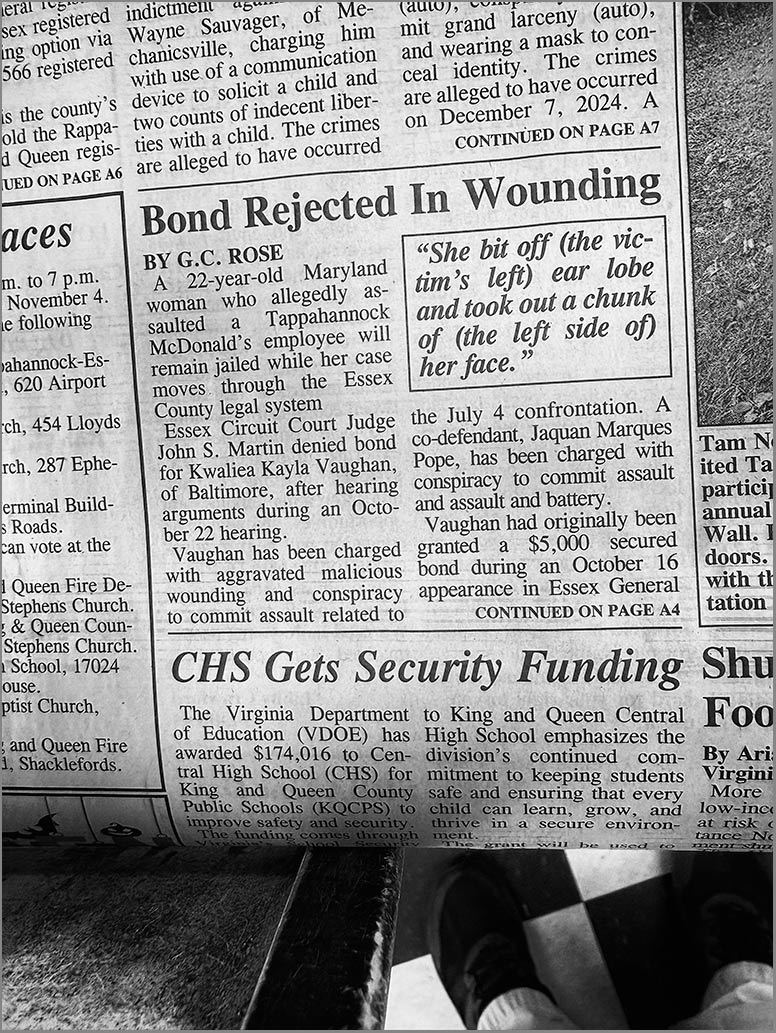
Bite

“She bit off (the victim’s left) ear lobe and took out a chunk of (the left side of) her face.”

Eek!
In the drive-through? In the restaurant? What precipitated the incident? Who what why where when how…

Tattoo Renaissance


The roots of large-scale tattoos, akin to modern sleeves, trace back over 2,000 years to Polynesian cultures, including Marquesan, Samoan, Tongan, and Maori traditions. In these societies, tattoos were not merely decorative but served as rites of passage, markers of social status, genealogy, and personal achievements.