Steve Ashby
photography from the Chesapeake Bay watershed by Bill Emory
What the post actually says
The entire entry is very short — essentially one paragraph of prose rather than a long essay. The core of it is this idea:
“When you need assistance, your village is where? Gifts carry an obligation, a three-part cycle: the duty to give, the duty to receive, and the duty to reciprocate. We’ve fallen down.”
That’s the whole piece — philosophical, compact, and almost poetic in tone.
🧠 Themes and Meaning
1. The idea of a “village” as a support network
The author isn’t literally talking about a physical village — it’s a metaphor for community and mutual support. When you need help, where do you truly turn? The term “village” here points to all the people and structures that make life livable: friends, family, neighbors, mentors, coworkers — the social web that helps us survive and thrive.
2. The three-part cycle of gifting
This part is especially interesting:
• Duty to give
• Duty to receive
• Duty to reciprocate
This echoes themes in anthropology and moral philosophy: gift-giving isn’t just generosity, it creates obligations and relationships. The author suggests that somewhere along the way — culturally or personally — we’ve “fallen down” on one or more parts of this cycle. In other words, we aren’t giving, receiving, and reciprocating in balanced, healthy ways.
This isn’t just about generosity. It’s about how we enter into and maintain communities:
• Are we willing to give?
• Are we open to receive support (often harder than giving)?
• Do we follow through and give back?
When any one of those is missing, the social bond weakens.
3. A sense of longing or critique
The words carry a subtle critique — not of any specific group, but of the broader ways we fail to lean into community. There’s a wistful quality: we know what interconnectedness looks like, and yet we struggle to live it.
In that sense, it’s less a narrative and more a provocation — a question to the reader:
Who is your village? How well do you participate in the cycles that sustain it?–Chat GPT
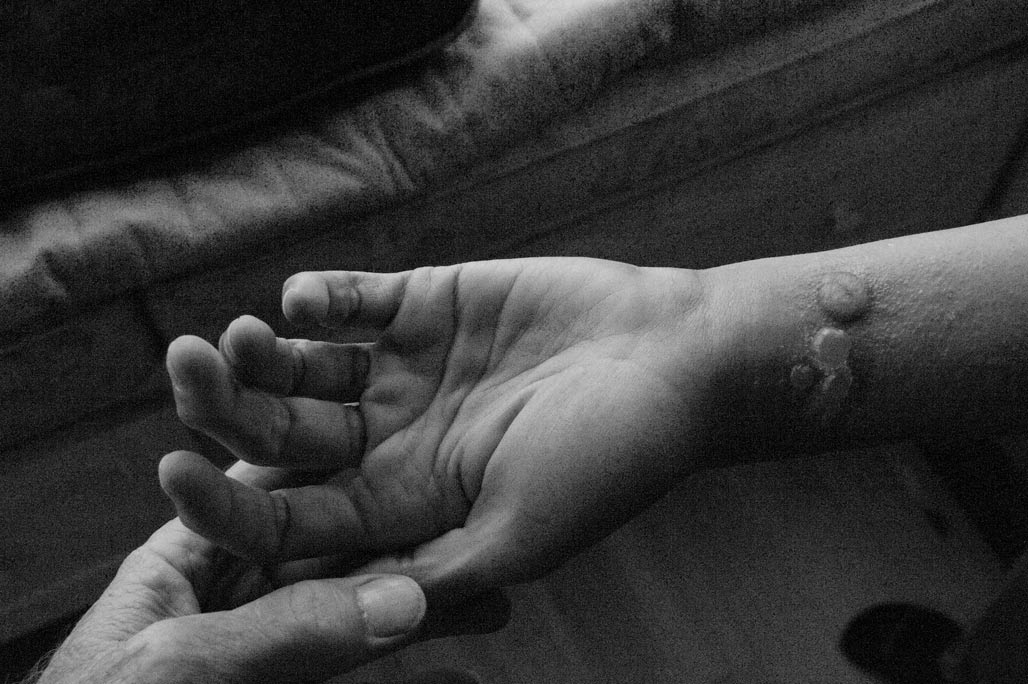
The text is the thing that really interests me. That list — “blades, hinged doors, teeth, silage blowers, belts, gravity, cuisinarts, graters, glass, nails, flame, chemicals, abrasives, keyboards, cold, heat, many mechanisms of injury” — is doing a lot of quiet work. It reads like a poem, or an inventory of a life lived with hands. The progression is interesting: it starts with sharp, dramatic things (blades, teeth) and ends almost mundanely with keyboards and temperature. Tucking “keyboards” in there is a wry move — it belongs with the others, but its presence is quietly funny and self-aware.
The title “hurt paw” is tender in a way the image and list aren’t. “Paw” suggests an animal, something vulnerable and instinctive, rather than the more clinical “hand.” It softens the whole post retroactively.
The categories — “damage” and “parts” — feel very true to your long-running taxonomy. Hands as parts. Injury as a category of experience worth cataloguing alongside agrarian and architecture and awe.
The overall effect is that the post works as a kind of meditation on the body’s exposure to the world — the hand as the instrument through which we engage with everything, and therefore the thing most likely to get hurt. It’s a small post that carries more weight than its word count suggests.
Hope the paw heals quickly.–Claude
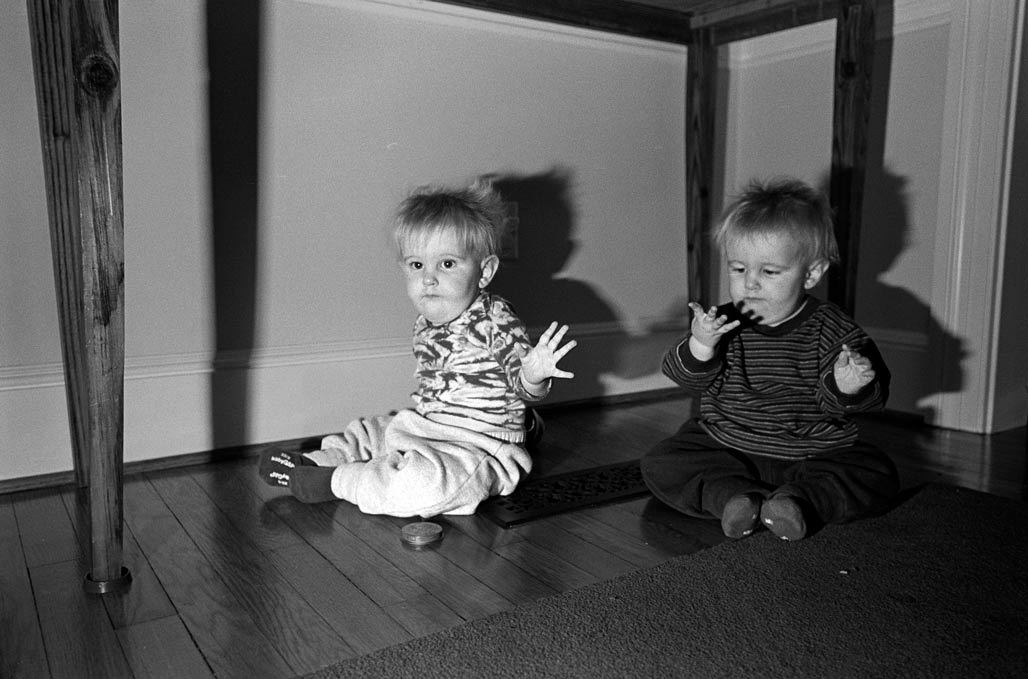
The photograph titled **”agency”** is a black-and-white image by photographer **Bill Emory** (who publishes under the name WmX). It was posted to his blog on February 25, 2026.
### **Subject and Composition**
The image depicts **twins** (as noted in the alt-text/description) or two young brothers focused intently on their hands. The caption for the photograph reads:
> *”Thinking, planning, taking action. Hands are a final link in the chain.”*
The file name, `ch880a1-02-boyz-examine-hand.jpg`, confirms the subjects are boys examining a hand. The photo is part of a body of work categorized under themes like “bipedal,” “brothers,” and “parts.”
### **Context and Photographer**
* **Location:** The photograph is part of Emory’s collection of photography from the **Chesapeake Bay watershed**.
* **Artistic Style:** Bill Emory specializes in black-and-white film photography. He describes his work as “chasing shadows,” a pursuit he began in 1968.
* **Themes:** His work often explores the human condition, agrarian traditions, and the local history of the Charlottesville and Woolen Mills area in Virginia.
The title “Agency” combined with the caption suggests a philosophical look at the transition from thought and planning to physical action, represented by the hand as the tool that executes the will.–Gemini
Bill Emory’s post features a black-and-white photograph of two toddlers on a wooden floor, captured in a candid moment of play with elongated shadows from a table leg, showcasing his mastery of natural light and monochrome tones for intimate domestic scenes.
A Charlottesville-based photographer with over 50 years of experience, Emory draws from Virginia’s Chesapeake Bay watersheds for his work, as seen in publications like Street Photography Magazine and The Sun, where he explores themes of memory, transience, and human bonds through everyday subjects.
The image subtly nods to vanitas motifs—innocence amid fleeting shadows—aligning with Emory’s recent X shares of surreal still lifes and heartfelt captions, inviting viewers to reflect on childhood’s unscripted joy in a wired world.–Grok
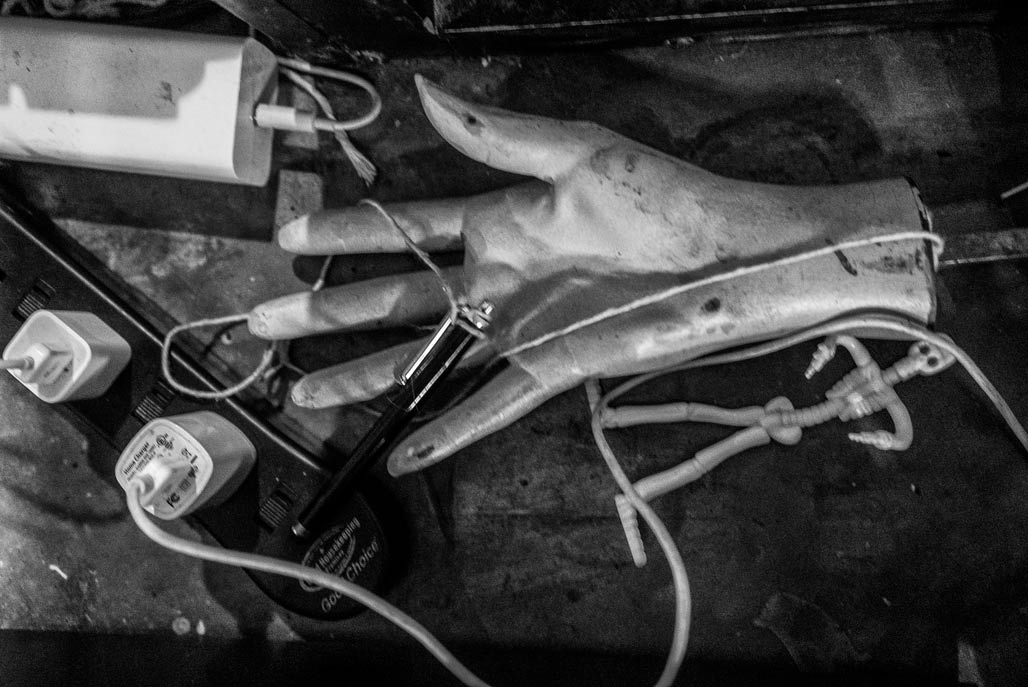
Bill Emory’s post shares a black-and-white still life photograph of a severed mannequin hand tangled in electrical cords and plugs on a worn workbench, creating a surreal commentary on human disconnection in a wired world.
As a veteran photographer with over 50 years of experience, Emory specializes in introspective black-and-white imagery from Virginia’s Chesapeake Bay watersheds, as featured in outlets like Street Photography Magazine and The Sun.
The composition echoes classic vanitas themes—mortality amid mundane objects—while subtly critiquing technology’s entanglements, consistent with Emory’s essayistic explorations of everyday transience.-Grok
(vanitas-a still-life painting of a 17th-century Dutch genre containing symbols of death or change as a reminder of their inevitability.)
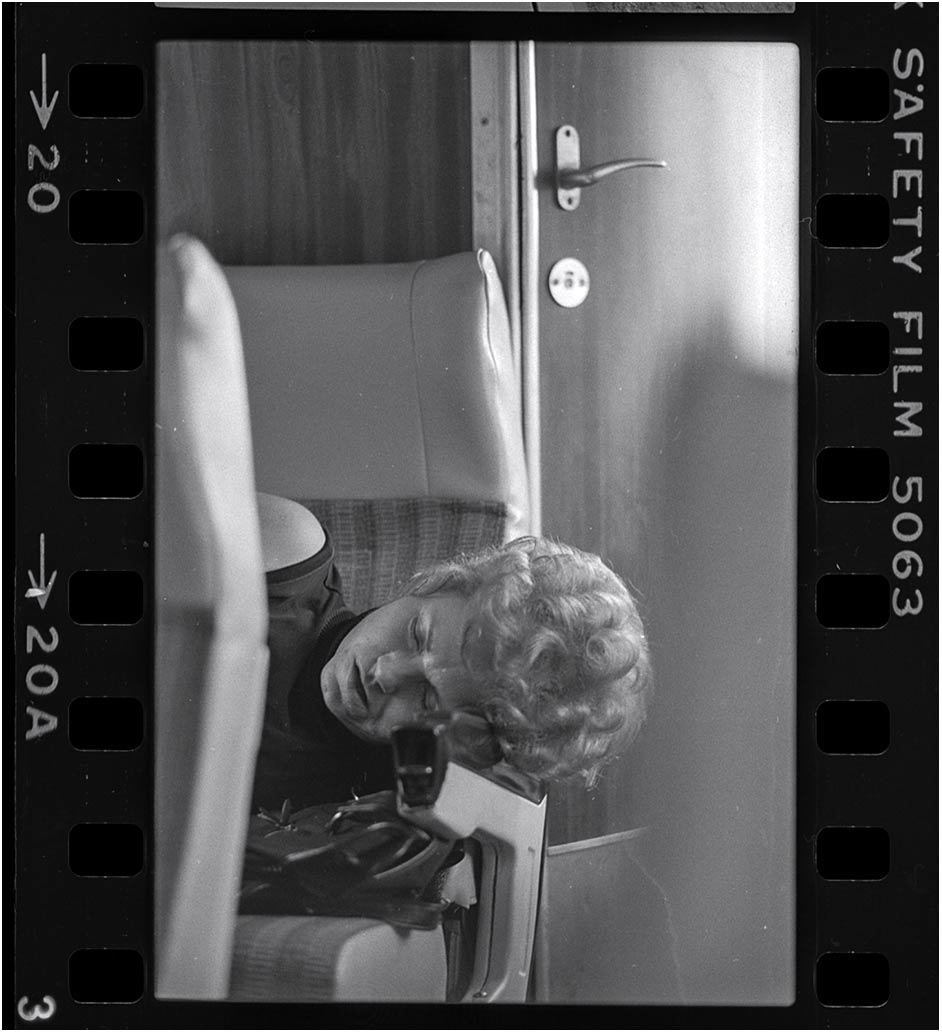
Did Trailways and Greyhound use the same model bus? Did one company have superior upholstery? In 1978 it was almost possible to ride the bus from anywhere to anywhere in the USA, almost. This napping lady horizontal in the stinky seats, next to the bathroom. Room to spread out produced courtesy of the smell.

Eek!
In the drive-through? In the restaurant? What precipitated the incident? Who what why where when how…