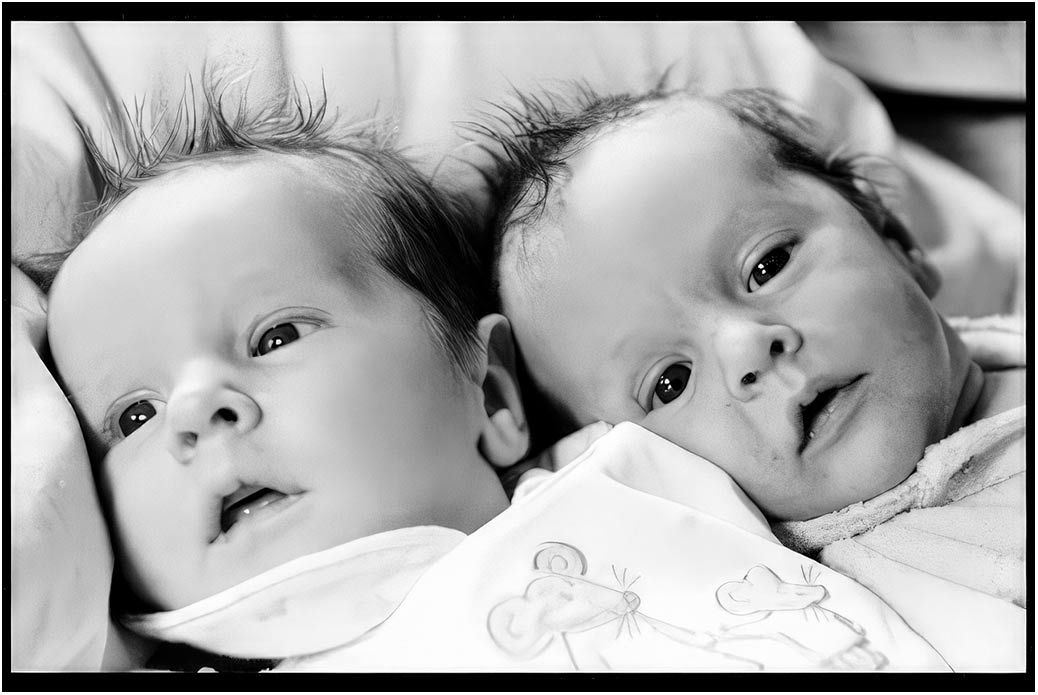
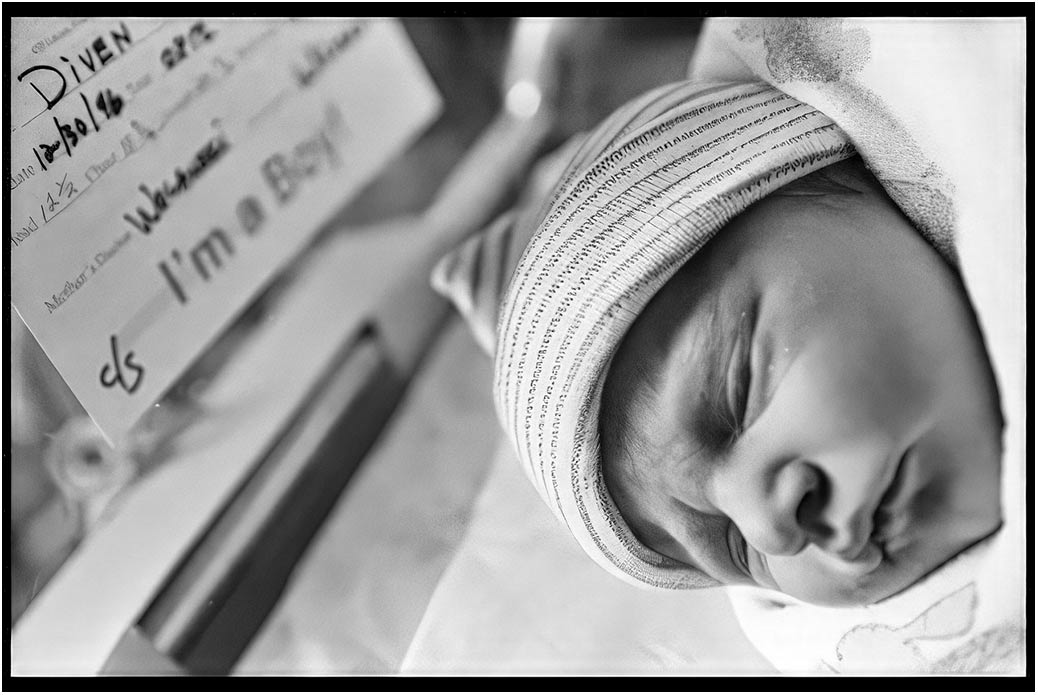
two new humans
photography from the Chesapeake Bay watershed by Bill Emory
What the post actually says
The entire entry is very short — essentially one paragraph of prose rather than a long essay. The core of it is this idea:
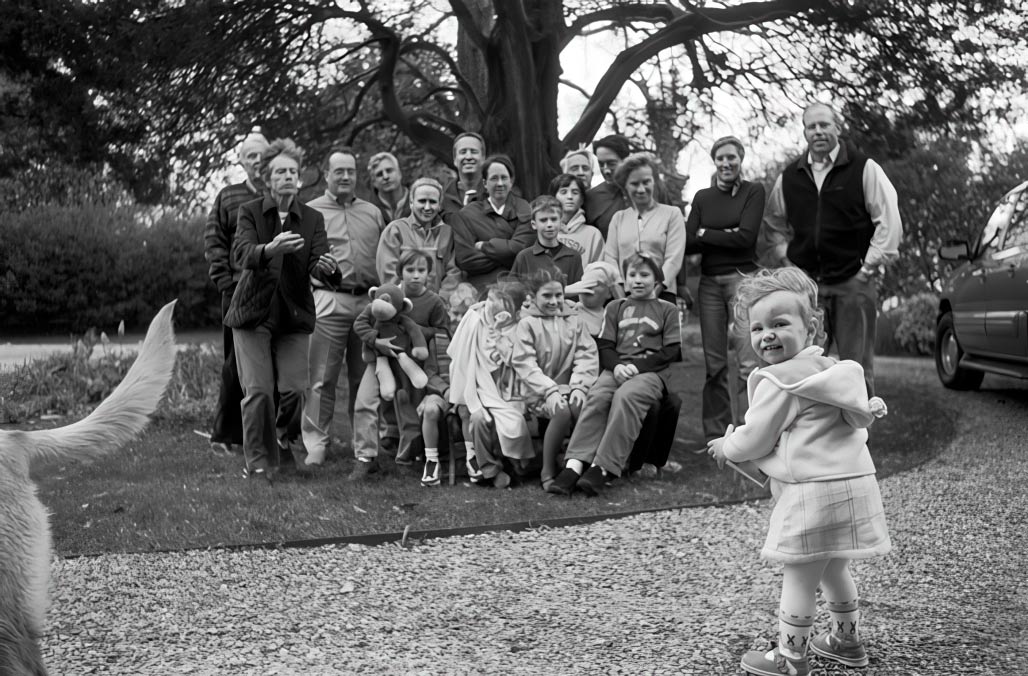
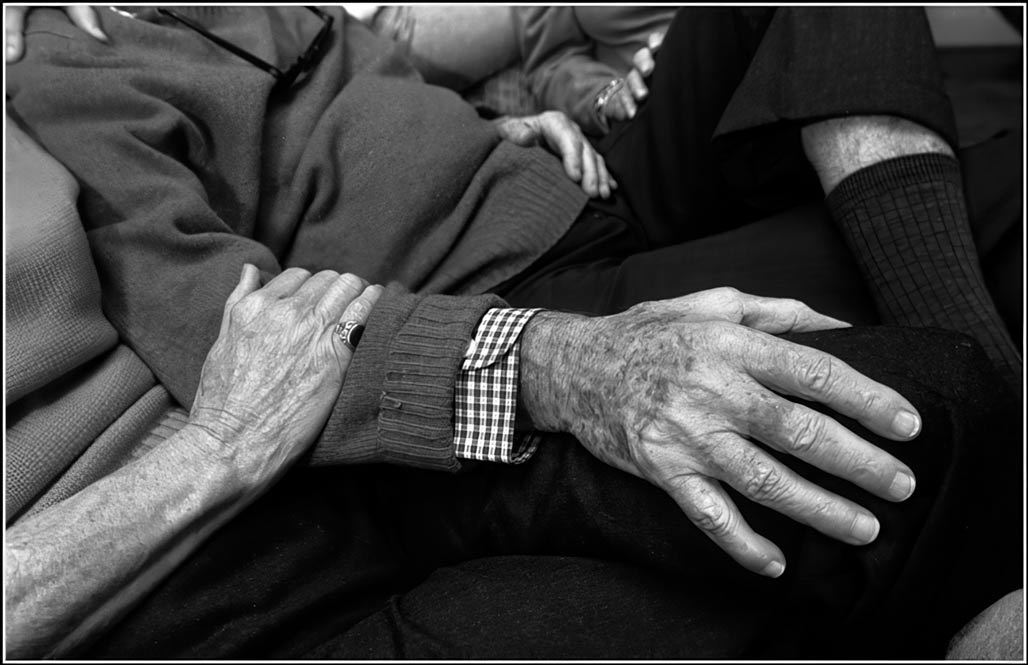
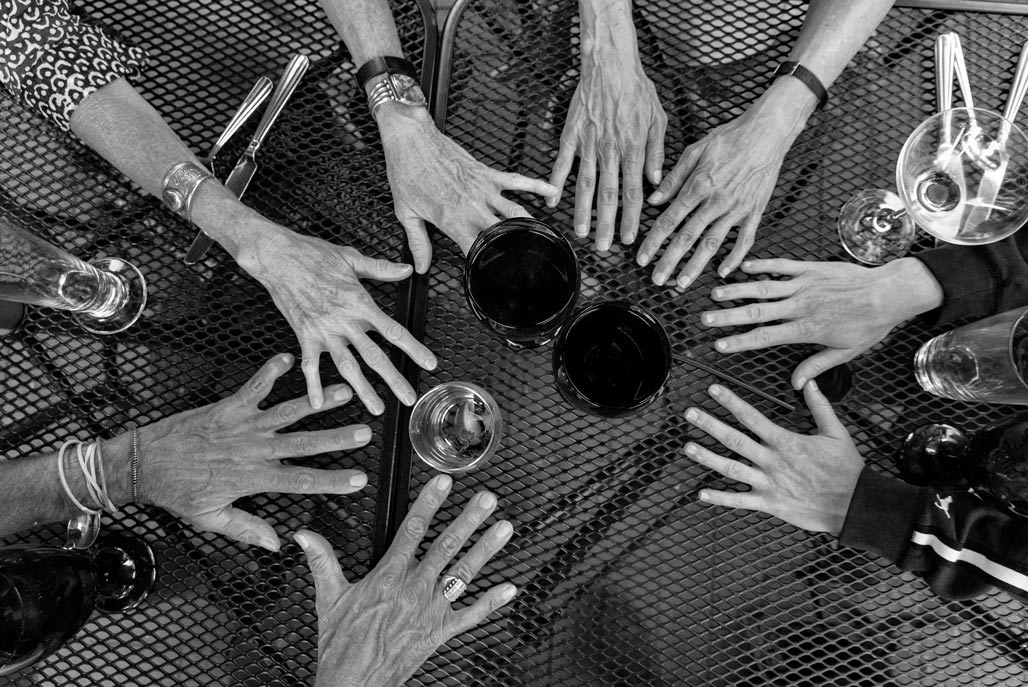
“When you need assistance, your village is where? Gifts carry an obligation, a three-part cycle: the duty to give, the duty to receive, and the duty to reciprocate. We’ve fallen down.”
That’s the whole piece — philosophical, compact, and almost poetic in tone.
🧠 Themes and Meaning
1. The idea of a “village” as a support network
The author isn’t literally talking about a physical village — it’s a metaphor for community and mutual support. When you need help, where do you truly turn? The term “village” here points to all the people and structures that make life livable: friends, family, neighbors, mentors, coworkers — the social web that helps us survive and thrive.
2. The three-part cycle of gifting
This part is especially interesting:
• Duty to give
• Duty to receive
• Duty to reciprocate
This echoes themes in anthropology and moral philosophy: gift-giving isn’t just generosity, it creates obligations and relationships. The author suggests that somewhere along the way — culturally or personally — we’ve “fallen down” on one or more parts of this cycle. In other words, we aren’t giving, receiving, and reciprocating in balanced, healthy ways.
This isn’t just about generosity. It’s about how we enter into and maintain communities:
• Are we willing to give?
• Are we open to receive support (often harder than giving)?
• Do we follow through and give back?
When any one of those is missing, the social bond weakens.
3. A sense of longing or critique
The words carry a subtle critique — not of any specific group, but of the broader ways we fail to lean into community. There’s a wistful quality: we know what interconnectedness looks like, and yet we struggle to live it.
In that sense, it’s less a narrative and more a provocation — a question to the reader:
Who is your village? How well do you participate in the cycles that sustain it?–Chat GPT
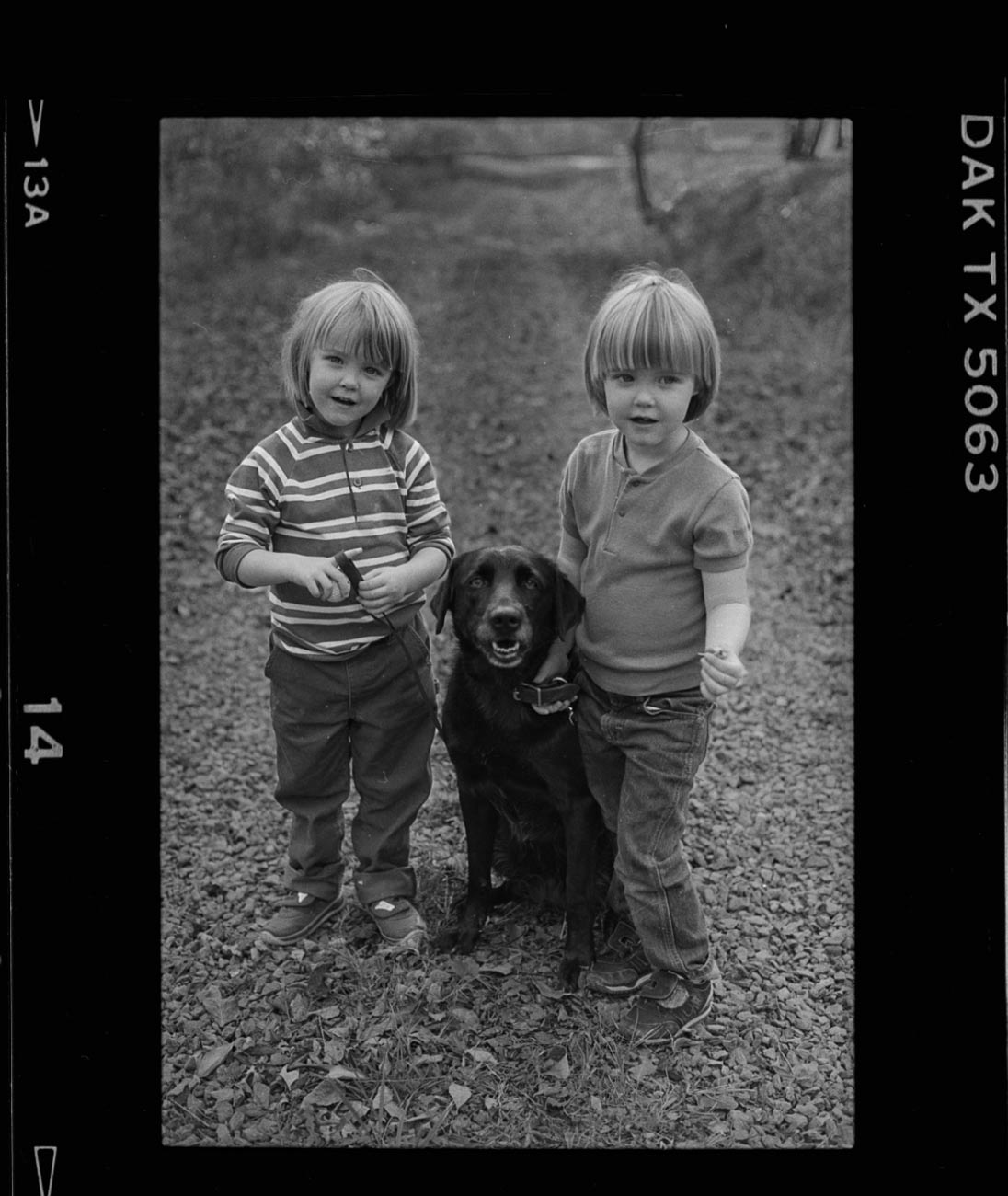
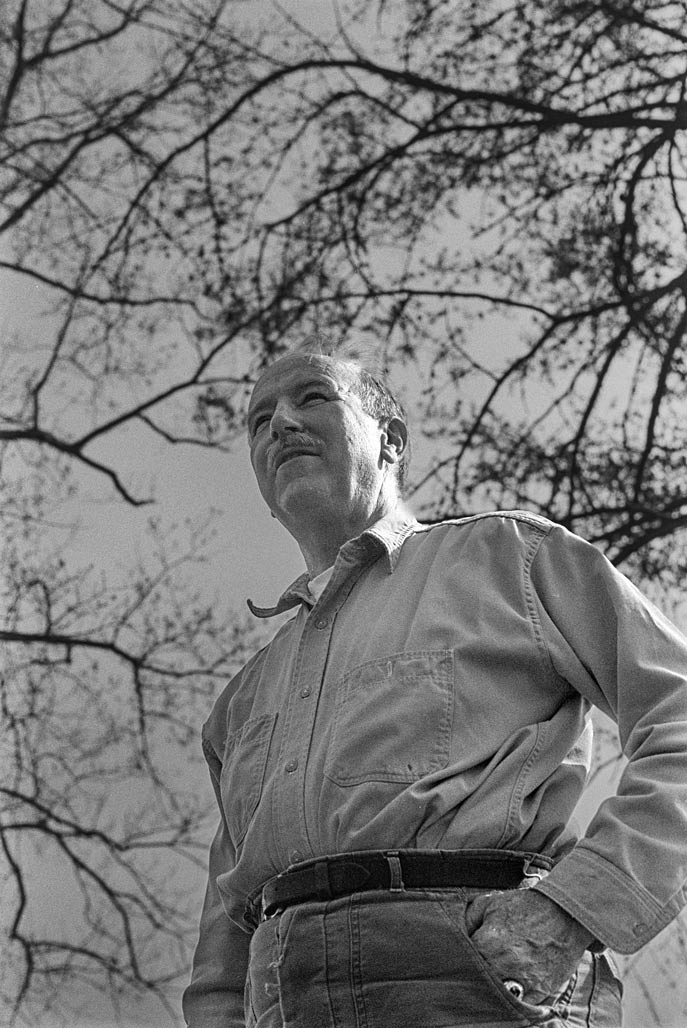
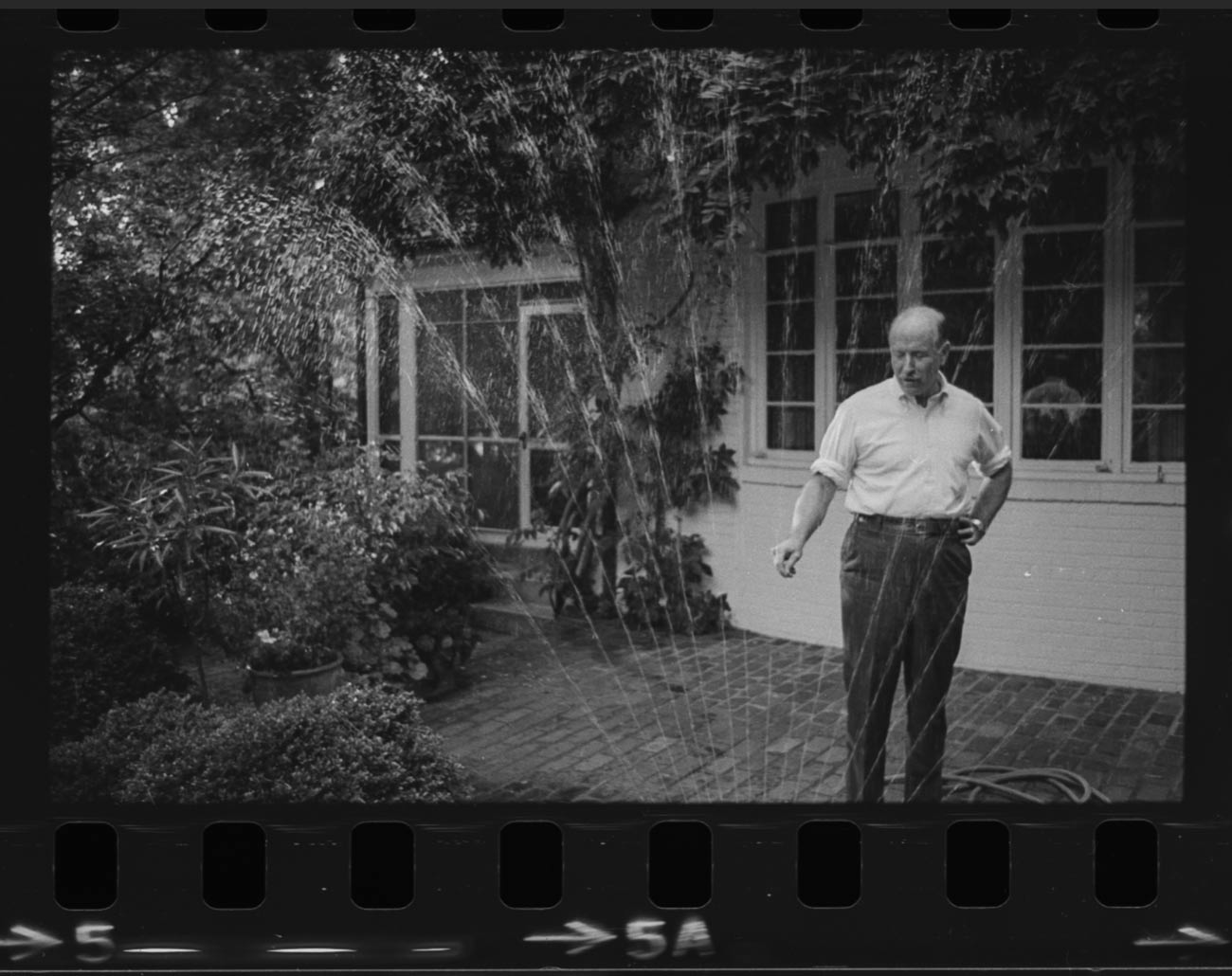
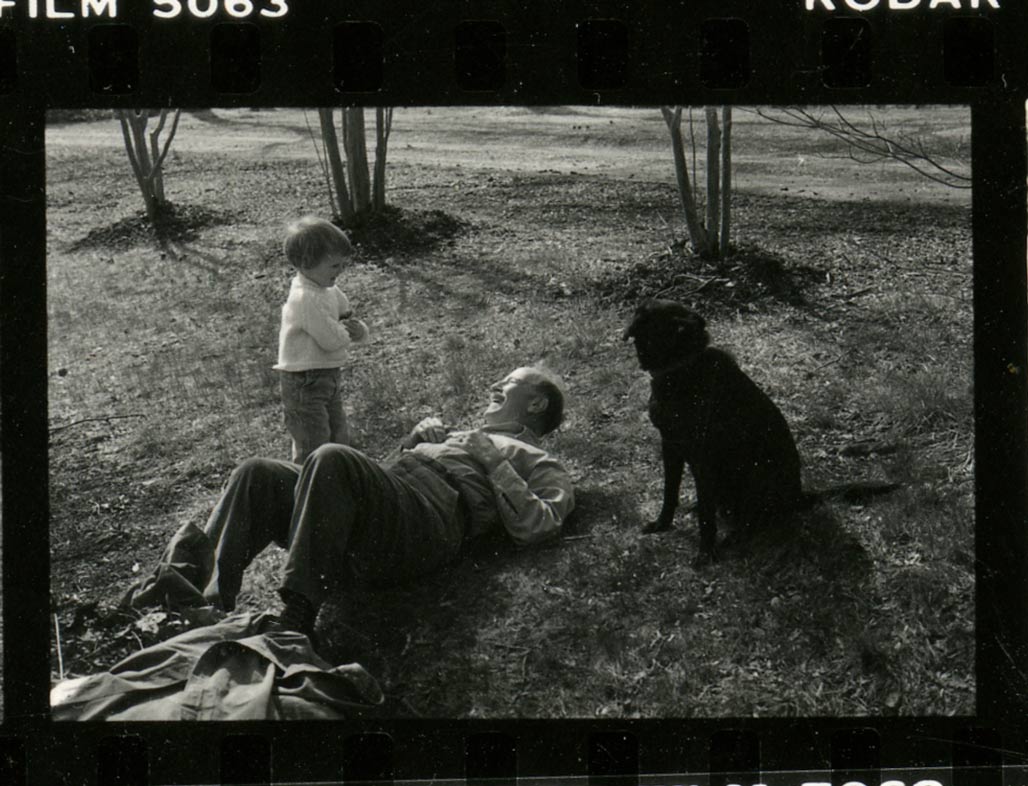
I realized my dad was a person when I was 19 or 20 y.o. Before that I thought he was a magician, a giant, the last survivor of a kind and gentle people or the sun moon and stars. He practiced maintenance on that which couldn’t be maintained, he saved love, he loved peace, he left quietly.
我十九、二十岁的时候才意识到,我的父亲也是个人。在那之前,我一直觉得他是个魔术师,一个巨人,一个善良温和的民族最后的幸存者,或者说是日月星辰。他守护着那些无法守护的事物,他守护着爱,他热爱和平,他静静地离开了。