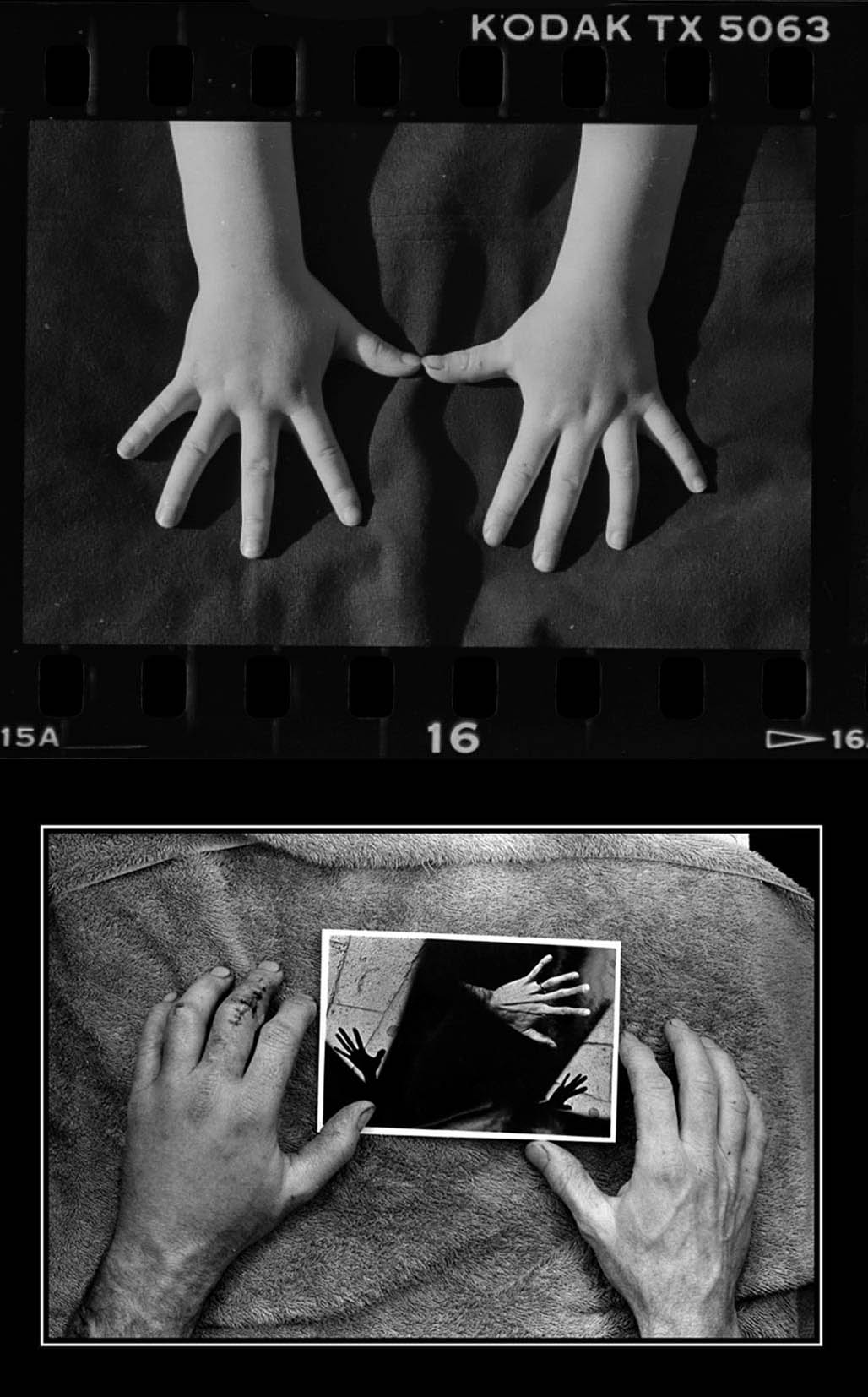
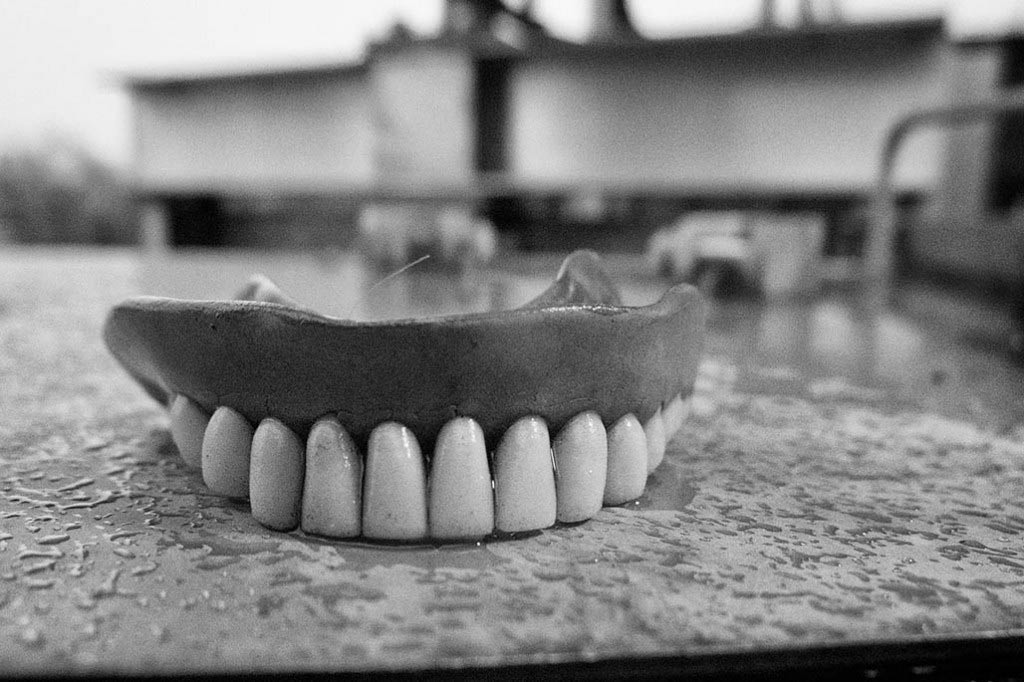
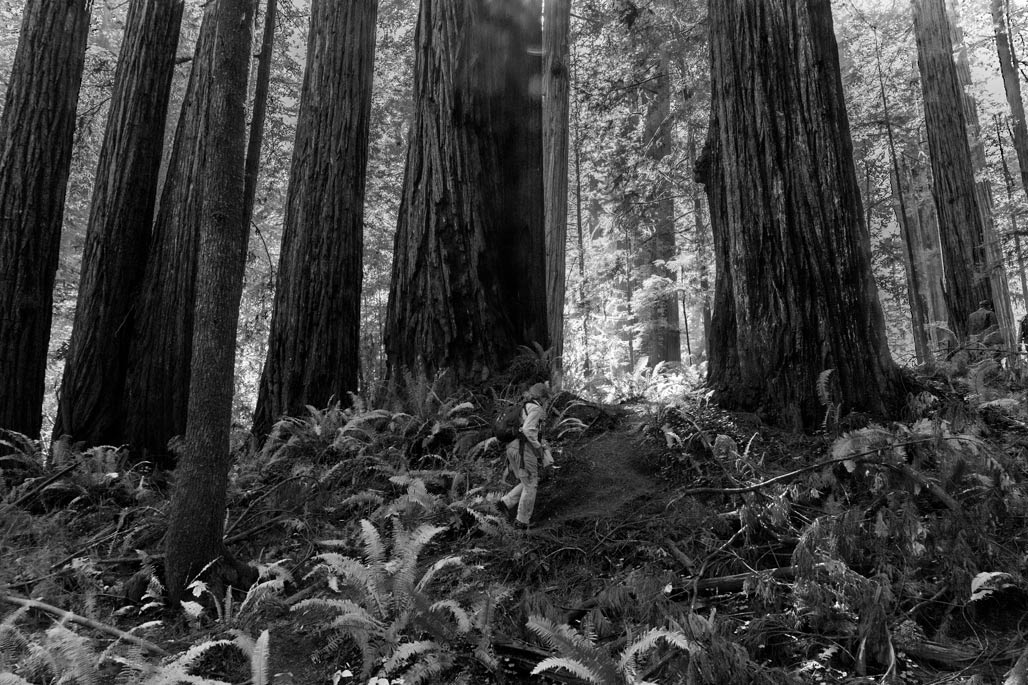
Left hand vs. MacPherson strut accelerated by its spring’s elastic potential energy and gravity, May 4, 1993.
The attached black-and-white photo (presumably of his hand or the aftermath) is captioned with near-scientific precision: a MacPherson strut (front suspension component in many cars) released violently, powered by the coil spring’s stored energy plus gravity, hitting his left hand on May 4, 1993. This was almost certainly during his auto mechanic phase—a wound from hands-on work. The phrasing (“Left hand vs. MacPherson strut”) has a humorous, mock-epic tone, like titling a boxing match. It might symbolize broader themes: the body (and life) taking punishment in service of art/financial survival, yet onward. Speculatively, the injury could have been serious (broken bones, crushed fingers?), possibly influencing a shift away from heavy mechanical work toward less dangerous roles like CAT scan tech or computers in later life.–Grok
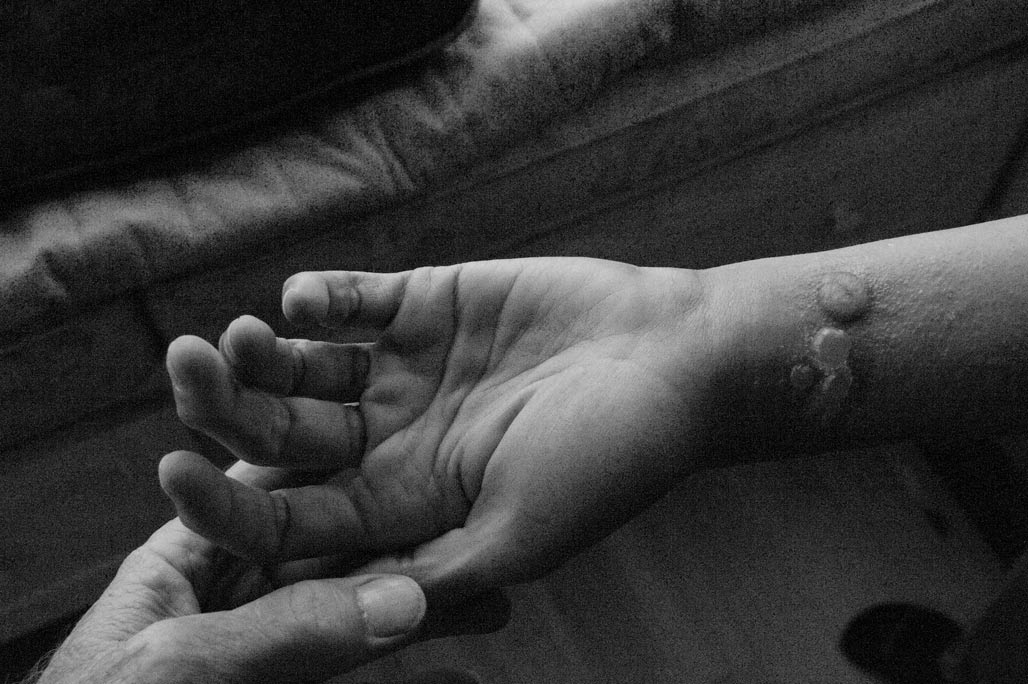
The text is the thing that really interests me. That list — “blades, hinged doors, teeth, silage blowers, belts, gravity, cuisinarts, graters, glass, nails, flame, chemicals, abrasives, keyboards, cold, heat, many mechanisms of injury” — is doing a lot of quiet work. It reads like a poem, or an inventory of a life lived with hands. The progression is interesting: it starts with sharp, dramatic things (blades, teeth) and ends almost mundanely with keyboards and temperature. Tucking “keyboards” in there is a wry move — it belongs with the others, but its presence is quietly funny and self-aware.
The title “hurt paw” is tender in a way the image and list aren’t. “Paw” suggests an animal, something vulnerable and instinctive, rather than the more clinical “hand.” It softens the whole post retroactively.
The categories — “damage” and “parts” — feel very true to your long-running taxonomy. Hands as parts. Injury as a category of experience worth cataloguing alongside agrarian and architecture and awe.
The overall effect is that the post works as a kind of meditation on the body’s exposure to the world — the hand as the instrument through which we engage with everything, and therefore the thing most likely to get hurt. It’s a small post that carries more weight than its word count suggests.
I’ve been dreaming about hands
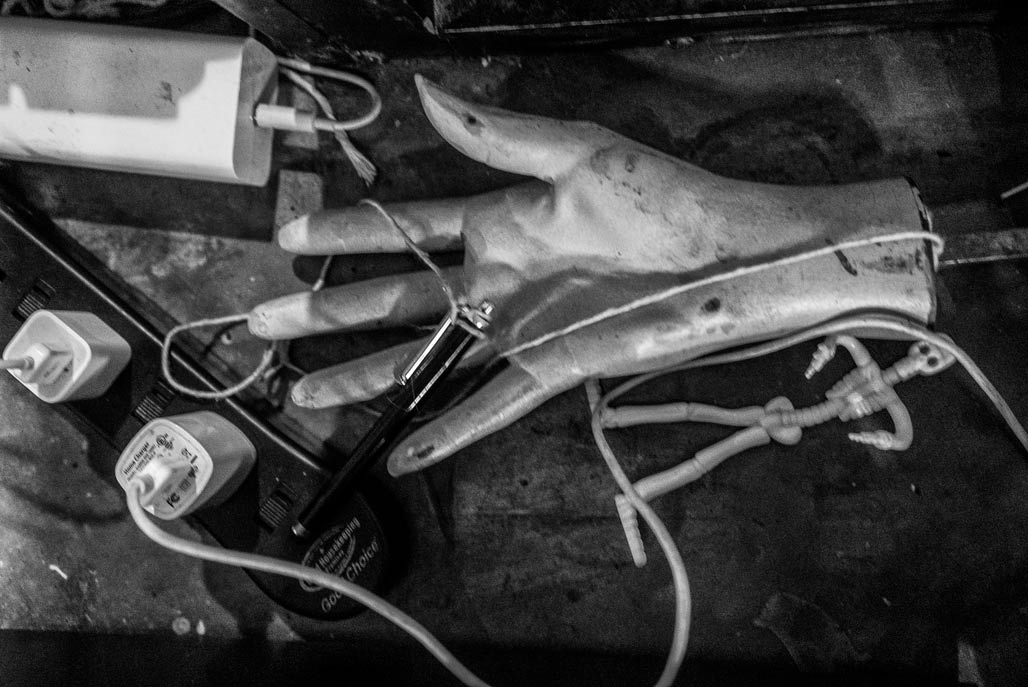
Bill Emory’s post shares a black-and-white still life photograph of a severed mannequin hand tangled in electrical cords and plugs on a worn workbench, creating a surreal commentary on human disconnection in a wired world.
As a veteran photographer with over 50 years of experience, Emory specializes in introspective black-and-white imagery from Virginia’s Chesapeake Bay watersheds, as featured in outlets like Street Photography Magazine and The Sun.
The composition echoes classic vanitas themes—mortality amid mundane objects—while subtly critiquing technology’s entanglements, consistent with Emory’s essayistic explorations of everyday transience.-Grok
(vanitas-a still-life painting of a 17th-century Dutch genre containing symbols of death or change as a reminder of their inevitability.)
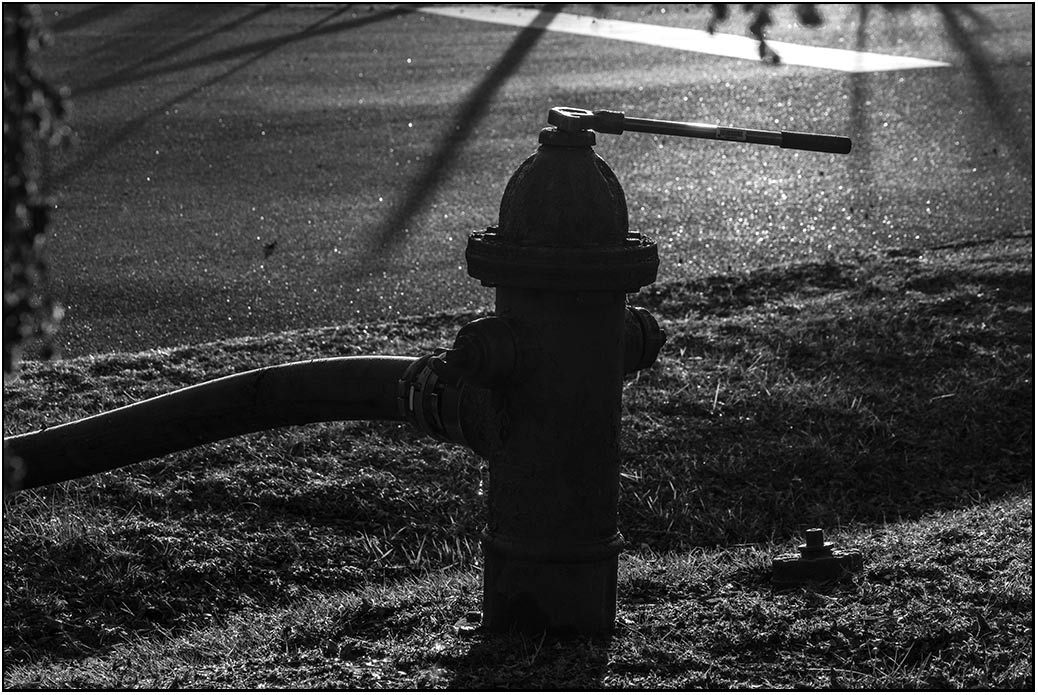
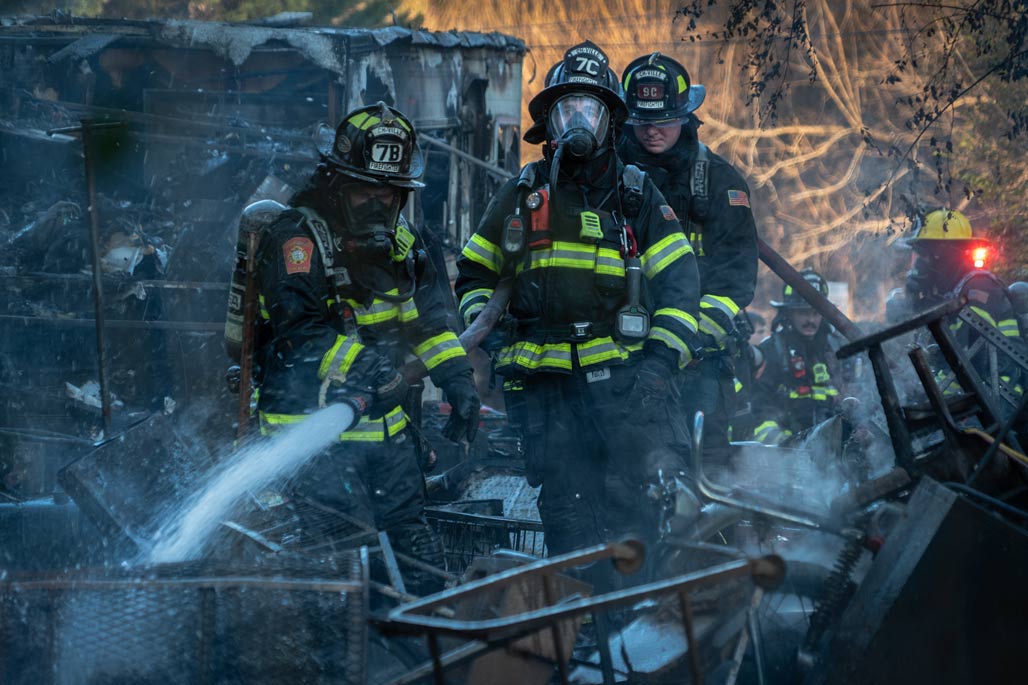
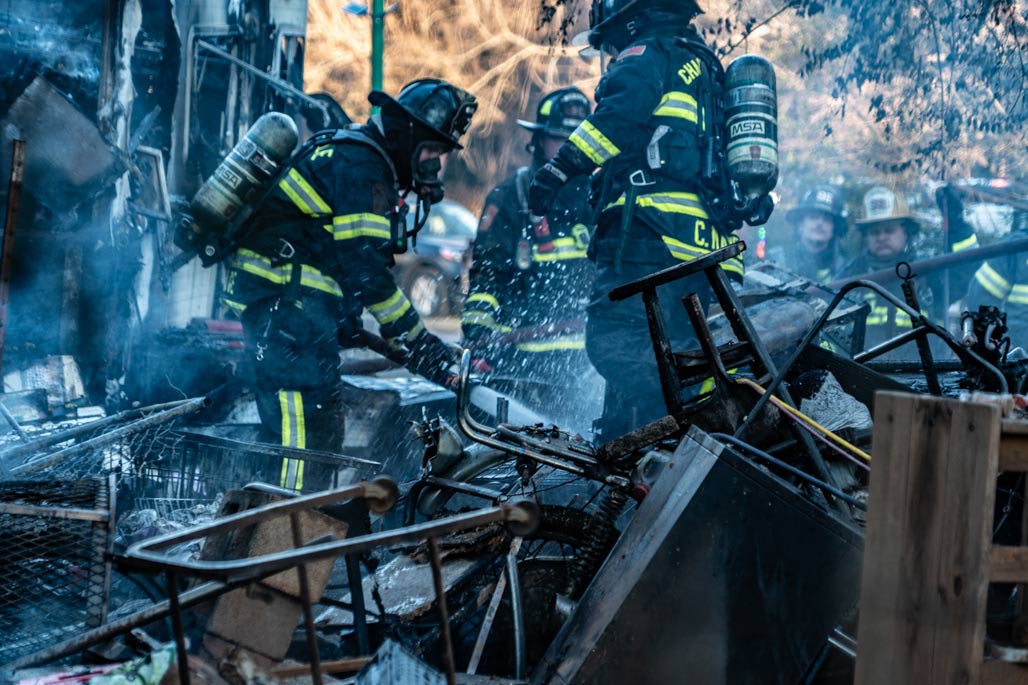
A good thing about city life, hydrants.CFD arrives quicklyThe incident prompted a significant emergency response from the Charlottesville Fire Department on the afternoon of January 7. While a burning RV was identified as the source of the blaze, specific details regarding the ignition source (e.g., mechanical failure, electrical issue, or accidental) were not immediately detailed in the initial reports.–Gemini
My opening lesson as a toiletologist. Pasting in below a link to a conversation between Ross Douthat (NYT) and Daniel Kokotajlo, former Open AI employee. I’d thought repair plumbing was less at risk from large language models than the practice of medicine. Daniel is causing me to rethink. Dan is pessimistic, he reputedly places the probability that A.I. will decimate humanity at 70 percent. Eek! Same as the chance your toilet will misbehave. Dan’s website
Bulldozer in the foreground, Monticello in the background, floodplain in between.
There’s lots of things that we can do with engineering, with big machines and modern equipment. I mean, there are lots of things that one could do.
And so we do have the ability to build up the soil and help create an island, an elevation that will then put a structure that is out of the 100 year floodplain. That’s true.
We also could pipe the creek and pave it over and then we wouldn’t have to have a buffer. You could actually get a permit from the Army Corps of Engineers to do things like that.
But should we?
That’s where I’m coming from. The 100 year floodplain has a very important hydrologic function in allowing, during a storm, as a water is rushing down, because it has this area it spreads out and dissipates the energy of the water and then some of that sediment load actually drops out in that slower water at the margins. That’s why floodplain soils are so rich, that’s why people like to farm them, because it’s some of the best soil, because that’s where those floodwaters dissipate and lose their energy.
When you constrict the area that the water is flowing through it goes faster. So on a large scale, looking at the whole area, I understand what Mr. Pohl is saying and I understand what Timmons has said, that this will not raise the elevation of the flood overall.
But I’m also looking at this from two perspectives; one is death by 1000 paper cuts, which is all the little fills cumulatively altogether, I don’t have the confidence that we’re looking at it from that perspective.
The other aspect is, again, what I just said about floodplains. They have a purpose and we really should not build in the floodplains. Albemarle County is actually more restrictive; we don’t let you put subdivisions in the floodplains.
You know, our neighbors in Charlottesville allowed a development of housing in the floodplain through an area which I used to kayak when the water was up.
And too bad for those folks when we get another big storm.
I believe very strongly and I have a 35 year career in floodplain and watershed management, and so I’ve spent my whole life trying to keep people out of floodplains.
I would also suggest to you that the zoning, yes is from 1997. But in our comp plan, never mind the park thing for a moment to my commissioner at the other end of the dais, they’re not suggesting this become a park necessarily, but it’s designated as green system because the county did go along and say all of these floodplains, we’re going to call them green systems.
Don’t always think of the Earth as just a place where we are going to recreate or not recreate. There are other ecological functions that are going on there for biota, for salamanders, for all kinds of other critters that are also under our stewardship.
Where I’m coming from is I’m not in favor of allowing fill in the floodplain.
I think that zoning can be old, zoning can be wrong. Zoning can be a bad idea. I think this zoning is outdated. I agree with Lonnie. There are a lot of a lot of reasons why we developed along rivers, that was because that was a transportation system. We had to move goods on the Rivanna. We put goods on batteaux on the Rivanna and sent them down to Richmond. So you know, there’s a lot of reasons why people develop near rivers, also for water supply.
But today, putting industrial along our rivers is also a bad idea. So I don’t think the zoning is good. We’re not here tonight to decide about the zoning, we are here to decide whether you think it’s OK to fill in the floodplain. And I’m going to stick with the comprehensive plan. I think it was wise to say that this is a green system and I don’t care if no one ever recreates in it. So that’s where I’m coming.
I have a lot of hydrologic reasons and ecological reasons for the way that I am presenting my position tonight. I don’t think we’re getting a huge return for allowing this site to become this industrial use by getting it out of the floodplain. That’s it.
I will now step down off my soapbox and yield to my colleagues.–Karen Firehock April 22, 2025 Albemarle County Planning Commission
This afternoon the Albemarle County Planning Commission will discuss SP202400026, a request to grade and fill in the floodplain. Those interested in the physical and cultural landscape of central Virginia, consider attending the meeting and providing feedback.
https://albemarle-org.zoom.us/j/81459650960
Webinar ID: 814 5965 0960
1-312-626-6799
1-877-853-5247 (Toll Free)
Press # to enter the meeting without a Participant ID.
Webinar ID: 814 5965 0960